7 Cafeteria Chains Families Loved That Are Hard to Find Today
For many American families in the mid-twentieth century, Sunday after church meant one thing: lunch at the cafeteria. Everyone grabbed a tray, slid it along the metal rails, and pointed at what they wanted. Servers in hairnets scooped out mashed potatoes, fried chicken, and green beans, while a long row of desserts waited at the end of the line.
Cafeterias were especially popular with families, older adults, and anyone who wanted a home-style meal at a fair price. You could see exactly what you were getting before you paid for it, and you could choose just the right amount. Many cafeteria chains had loyal customers who came every week for decades.
As fast food, casual dining, and changing tastes took over, many of these chains shrank or disappeared. Here are seven cafeteria chains that families loved, and what happened to them.
1. Horn & Hardart Automats
Horn & Hardart opened its first automat in Philadelphia in 1902, and its New York locations became famous across the country. Instead of ordering from a server, customers walked up to a wall of small glass windows, each holding a single dish. They dropped nickels into a slot, opened the little door, and took out their food.
The automats served macaroni and cheese, baked beans, creamed spinach, chicken pot pie, and slices of pie. Their coffee was famous, and the chain was said to be one of the first in the city to serve freshly brewed coffee that was thrown out after a set time. At their peak, automats served hundreds of thousands of people a day.
The automats declined as fast food grew in the 1960s and 1970s. The last Horn & Hardart automat in New York closed in 1991. Today, a 35-foot section of the original 1902 Philadelphia automat belongs to the Smithsonian, and Smithsonian magazine has told the story of how much the automats meant to American life.
2. Luby’s
Luby’s was founded in Texas in 1947 by Bob Luby, and it grew into one of the best-known cafeteria chains in the South. It was famous for its fried fish, chicken-fried steak, and the “LuAnn Platter,” a smaller portion of an entrée with two sides and bread. Families loved it for its home-style cooking and reasonable prices.
For decades, Luby’s was a gathering place for families, church groups, and retirees. Many people celebrated birthdays and holidays there, and some went every week.
In 2020, Luby’s announced plans to sell off its business and liquidate, after years of falling sales. The chain was later sold, and a small number of Luby’s cafeterias remain open in Texas. Many longtime fans still mourn the closings.
3. Piccadilly Cafeterias
Piccadilly was founded in 1944 in Baton Rouge, Louisiana, and grew into one of the largest cafeteria chains in the South. It was known for Southern classics like fried chicken, red beans and rice, and fresh-baked pies. The chain was popular with families and older diners.
Piccadilly faced financial trouble in the 2000s and 2010s, closing many locations and going through bankruptcy. The company also bought other struggling cafeteria chains over the years.
Piccadilly still operates a smaller number of locations, mostly in Louisiana and nearby states. It also provides food service for some institutions. For many Southern families, it remains a nostalgic favorite.
4. Morrison’s Cafeterias
Morrison’s was founded in Mobile, Alabama, in 1920, and grew into a major cafeteria chain across the Southeast. It was known for its formal dining rooms, cloth napkins, and attentive service, which made it feel a step above other cafeterias. Some locations had waiters who carried trays to the table for customers.
The chain was especially popular with older diners and families who wanted a nice meal at a good price. Its fried chicken, roast beef, and pies had a loyal following.
In 1998, Morrison’s cafeterias were sold to Piccadilly, and many locations were converted or closed. The Morrison’s name has largely disappeared from the restaurant world. Many longtime customers still remember it fondly.
5. K&W Cafeterias
K&W Cafeterias was founded in 1937 in Winston-Salem, North Carolina. It became a beloved chain throughout the Carolinas and Virginia. It was known for Southern comfort food like fried chicken, squash casserole, and banana pudding.
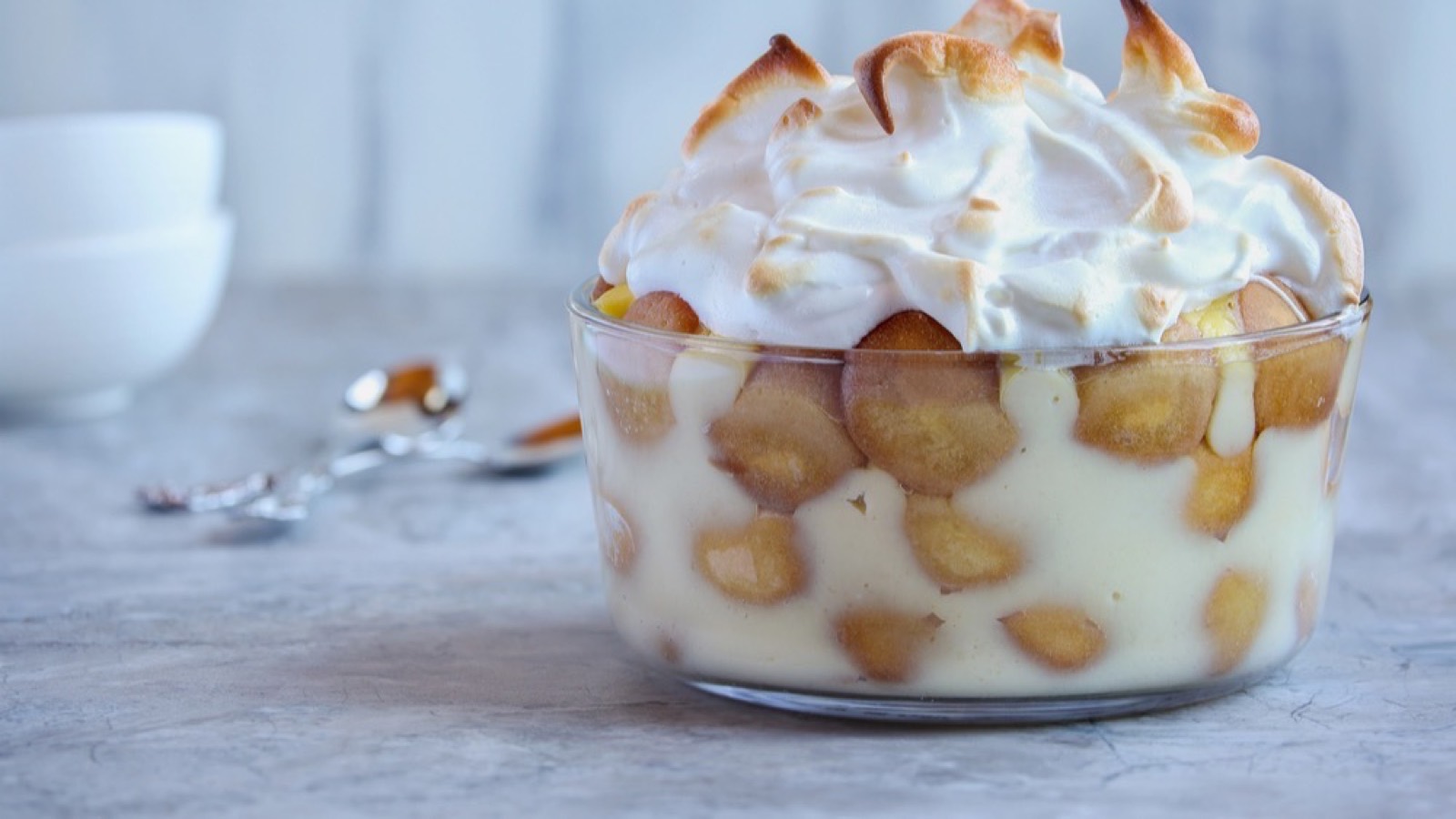
K&W was a favorite with older diners, many of whom ate there several times a week. Church groups and families also made it part of their routines.
The COVID-19 pandemic hit K&W hard, and the company filed for bankruptcy in 2020. It was purchased by Piccadilly in 2021, and some locations reopened. Many fans were relieved that their favorite cafeteria survived, even in a smaller form.
6. Furr’s Cafeterias
Furr’s began in West Texas and became a well-known cafeteria chain across the Southwest. It was famous for its comfort food, from fried chicken to cream pies. Many families in Texas, New Mexico, and Colorado grew up eating there.
In later years, Furr’s shifted to an all-you-can-eat buffet format called Furr’s Fresh Buffet. The chain faced financial problems and filed for bankruptcy several times. Many locations closed in 2020 during the pandemic.
For many families in the Southwest, Furr’s was a place for celebrations and Sunday dinners. Its closings were a blow to communities that had loved it for generations.
7. MCL Cafeterias
MCL Cafeterias was founded in Indianapolis in 1950, and it became a favorite in Indiana and Ohio. The chain was known for its fried chicken, roast turkey, mashed potatoes, and homemade pies. Many locations had a cozy, old-fashioned feel.
MCL has managed to survive, though it has closed some locations over the years. The chain is still family-owned and continues to serve home-style meals in the Midwest. For many Hoosiers, it is a cherished part of local life.
MCL’s survival shows that cafeterias can still thrive when they keep loyal customers happy. But the chain is one of the few that remains.
Why Cafeterias Declined
Cafeterias declined for several reasons. Fast-food restaurants offered quicker and cheaper meals, while casual dining chains offered table service and a more modern feel. Younger diners often saw cafeterias as old-fashioned.
Rising costs also hurt cafeterias. Preparing dozens of dishes every day required a large staff and lots of food, and leftovers often went to waste. The pandemic was another blow, since self-serve lines and buffets were shut down for months. Cafeterias like these appear among the restaurants that were top picks for baby boomers.
A Piece of Community Life
For many people, cafeterias were more than restaurants. They were places where families gathered after church, where friends met for lunch, and where older adults could enjoy a good meal and conversation. Many cafeterias were part of the fabric of their communities.
The decline of these chains has left a gap for many older Americans who loved the home-style food and friendly atmosphere. They are part of the simple pleasures in life we often overlook.
Which cafeteria did your family go to, and what did you always order? Many readers say they can still taste the fried chicken and banana pudding.