8 Things Every Grandma’s Refrigerator Had in the 1960s
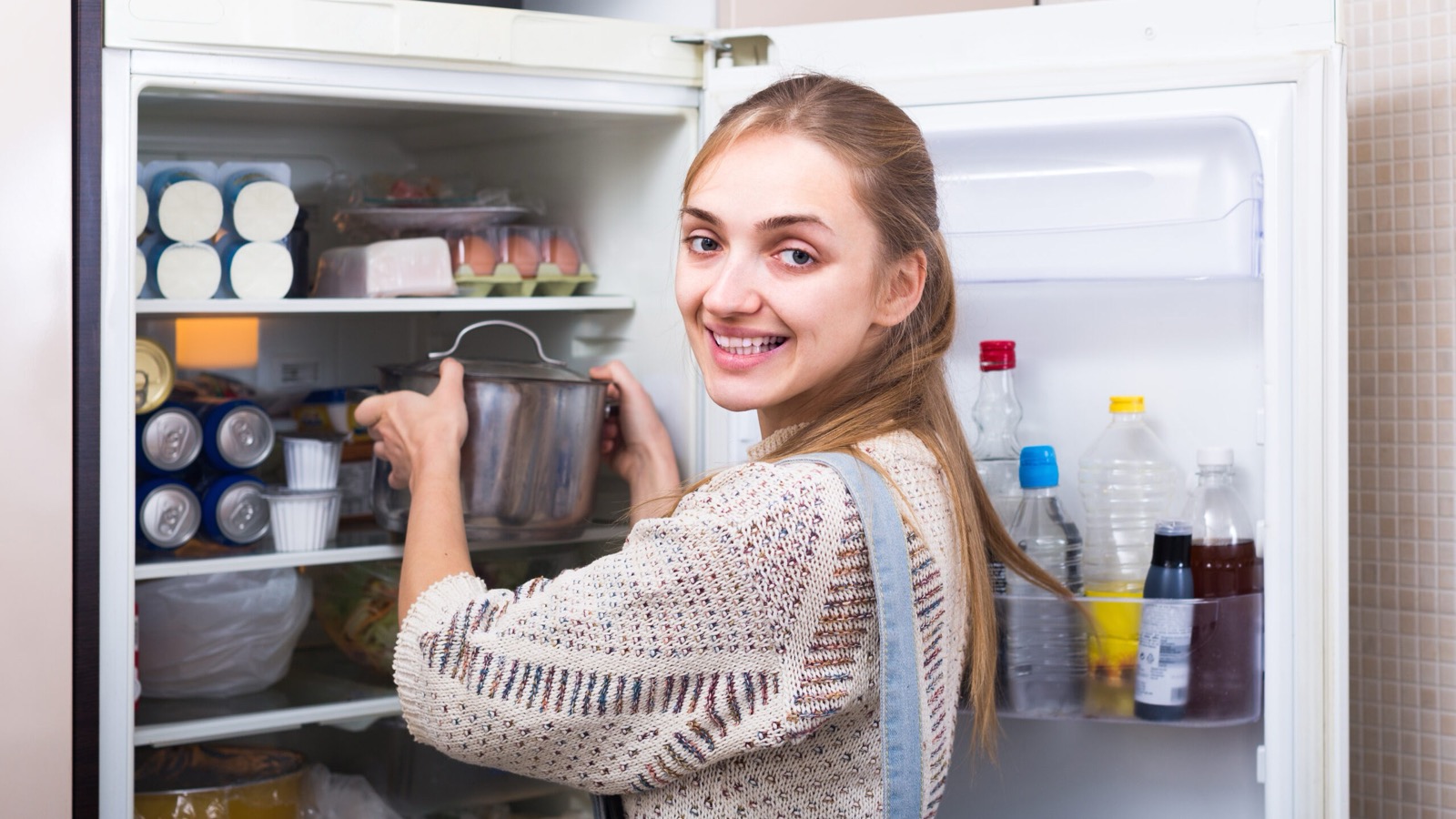
Opening Grandma’s refrigerator in the 1960s was like opening a time capsule. The shelves were packed with glass bottles, aluminum-covered bowls, and mysterious little dishes of leftovers. There was always something to snack on, and there was always a rule about what you were not allowed to touch because it was “for company.”
Refrigerators had become standard in American homes by then, and they changed the way families cooked and shopped. Many of the women running those kitchens had grown up with iceboxes, so a modern refrigerator felt like a luxury they took very seriously. Nothing was wasted, and every inch of space was used.
If you grew up visiting your grandmother in the 1960s, you probably remember most of these. Here are eight things you could find in nearly every grandma’s refrigerator.
1. Glass Milk Bottles From the Milkman
In the 1960s, many families still had milk delivered to their doorstep. The milkman dropped off glass bottles of milk in an insulated box on the porch early in the morning, and the empty bottles were left out to be picked up and reused.
Grandma’s refrigerator often had two or three of those bottles lined up on the top shelf. Some came with a layer of cream that rose to the top, which was poured off for coffee or whipped for dessert. Home milk delivery faded as supermarkets sold cheaper milk in cartons and plastic jugs.
2. A Stick of Butter, or a Tub of Oleo
Butter was always on hand, kept in a covered butter dish or the little butter compartment on the refrigerator door. But many families also used margarine, which was often called “oleo,” short for oleomargarine.
Margarine had a complicated history. Dairy states fought it for decades, and some banned yellow margarine so it couldn’t be mistaken for butter. Wisconsin didn’t allow the sale of colored margarine until 1967. Many families bought white margarine with a packet of yellow coloring and mixed it in by hand, a chore kids often remember doing.
3. Pyrex Dishes Full of Leftovers
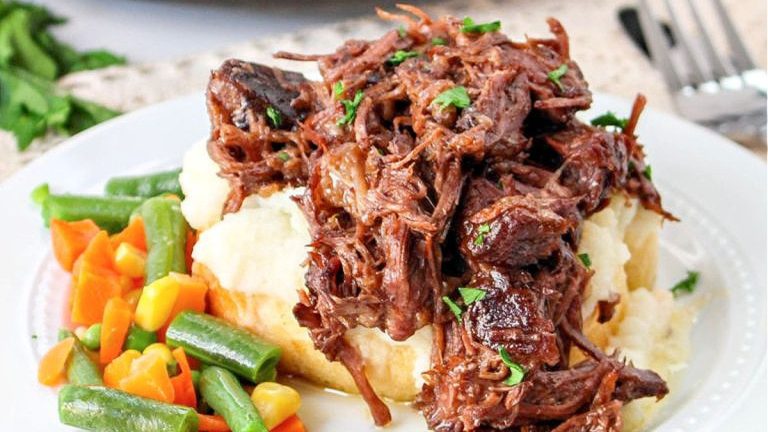
Grandma never threw out food. Leftover green beans, mashed potatoes, and pot roast went into glass dishes and were stacked neatly in the refrigerator. Pyrex refrigerator dishes, with their colorful glass lids, were especially popular, and many came in bright patterns.
Those little dishes are now collectibles, and some sell for surprising prices at antique shops. Many boomers remember opening the refrigerator and playing a guessing game about what was inside each one.
4. A Jell-O Salad
No 1960s refrigerator was complete without a molded gelatin salad. Grandma made them in fancy ring molds and filled them with fruit cocktail, shredded carrots, cottage cheese, marshmallows, or even vegetables and tuna. Some were layered in bright colors for holidays.
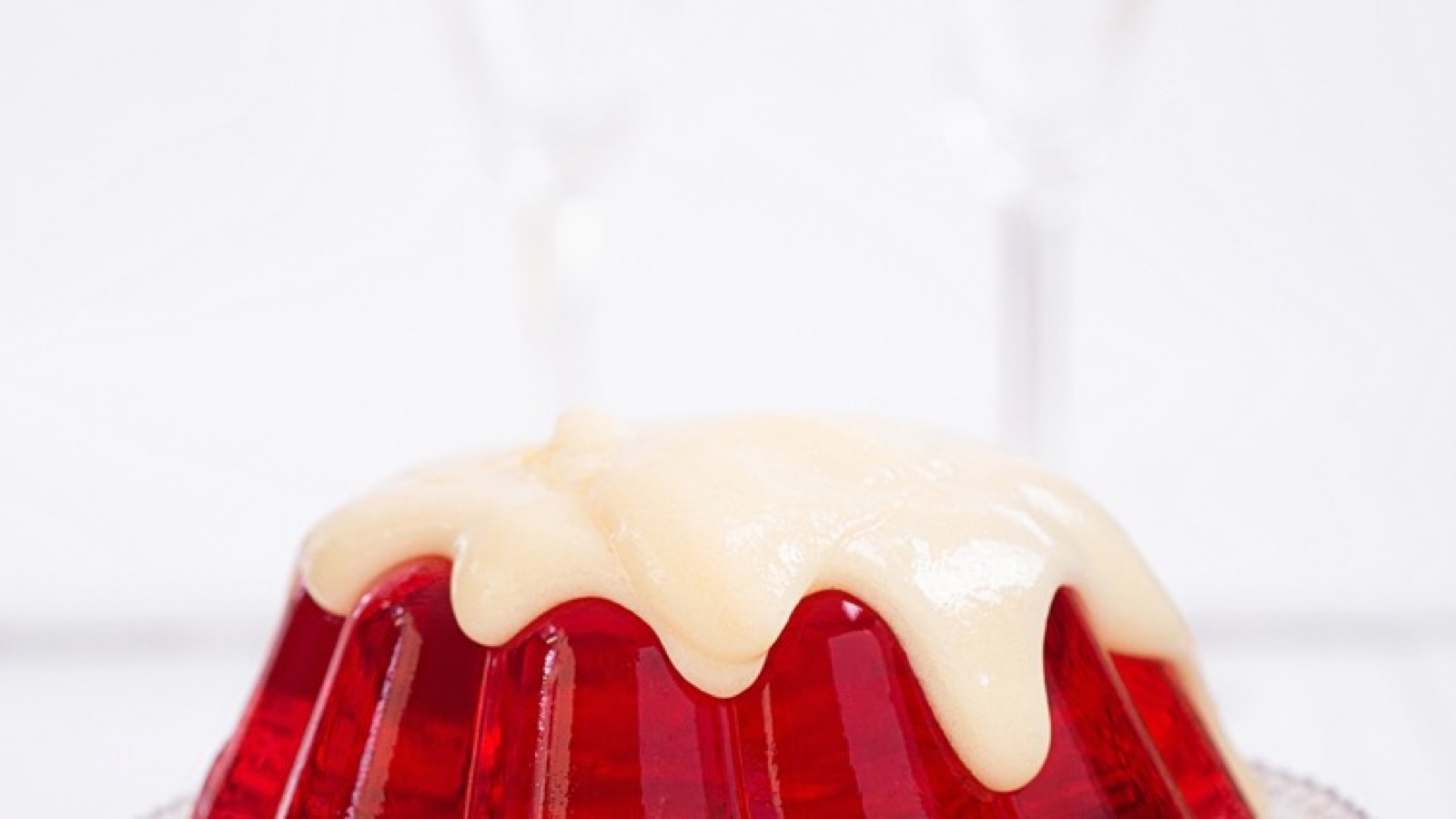
Jell-O salads were popular because they were cheap, could be made ahead, and looked impressive on the table. Many families served one at every holiday and church supper. Younger people often find them strange, but some boomers still make their grandmother’s lime Jell-O salad every year.
5. A Head of Iceberg Lettuce
In the 1960s, lettuce usually meant iceberg. It was crisp, cheap, and lasted a long time in the refrigerator’s crisper drawer. Grandma used it for wedge salads with thick dressing, shredded it for tacos, or put it on sandwiches.
Romaine, spinach, and other leafy greens were less common in most grocery stores at the time. Iceberg lettuce was grown in huge amounts in California and shipped across the country by refrigerated rail cars and trucks. It’s still sold today, but it’s no longer the only lettuce in town.
6. A Jar of Miracle Whip
Miracle Whip was introduced by Kraft in 1933, during the Great Depression, as a cheaper alternative to mayonnaise. It has a sweeter, tangier flavor, and many families grew up using it instead of mayo. Some households were fiercely loyal to one or the other.
Grandma used Miracle Whip in potato salad, deviled eggs, sandwiches, and dressings. To this day, many people who grew up with it can’t stand the taste of regular mayonnaise, and the debate over which is better still starts arguments at family picnics.
7. Metal Ice Cube Trays
The freezer compartment in a 1960s refrigerator was often small, and it was usually filled with frost that had to be chipped away by hand. Inside sat metal ice cube trays with a lever on top. You pulled the lever to crack the ice cubes loose, and sometimes your fingers stuck to the cold metal.
Automatic icemakers existed, but most families still used trays. Plastic trays slowly replaced metal ones. Many boomers remember the sound of the lever cracking the ice for a glass of iced tea on a hot summer day.
8. A Tub of Cool Whip
Birds Eye introduced Cool Whip in 1966, and it quickly became a staple in American kitchens. It was a ready-made whipped topping that could be stored in the freezer and thawed in the refrigerator. Grandma used it on pies, in Jell-O desserts, and in fruit salads.
The empty plastic tubs were never thrown away. They became leftover containers, sewing boxes, and button holders. Many families joke that you never knew if a Cool Whip tub in Grandma’s refrigerator held whipped topping or last week’s chili.
Why Grandma’s Fridge Was Different
Grandmothers in the 1960s had a different approach to food. Many had lived through the Great Depression and World War II rationing, and they were careful about waste. They saved leftovers, reused containers, and stretched food as far as possible.
Their refrigerators reflected that mindset. They were full of homemade dishes and simple staples, not prepackaged meals. Many of those items belong to the things families had at home in the 1960s that younger people rarely see now.
What Has Changed
Today’s refrigerators are bigger, with more features like water dispensers and smart screens. They’re often filled with bottled drinks, yogurt cups, and takeout containers. Home milk delivery is rare, and Jell-O salads have mostly vanished.
But some things haven’t changed. Many people still keep butter, leftovers, and a few family favorites in the fridge, and some of the essential items to store in the refrigerator are the same ones Grandma kept. The Smithsonian’s National Museum of American History has collected refrigerators and kitchen items that show how much daily life has changed since then.
What do you remember finding in your grandmother’s refrigerator, and is there anything you still keep in yours today? Many readers say a Cool Whip tub full of leftovers is still a family tradition.