9 Bizarre Food Trends From the 1950s That Actually Caught On
The 1950s were a strange and exciting time in American kitchens. After years of Depression and wartime rationing, families had more money, bigger refrigerators, and a whole new world of convenience foods to try. Food companies raced to invent products that promised to save time, impress guests, and make mealtime feel modern.
Many of those ideas sounded odd at the time. Cheese in a jar? Potatoes shaped into little nuggets? Fish cut into sticks and frozen? Dinner eaten off a metal tray in front of the television? Plenty of people rolled their eyes, and some products flopped completely.
But a surprising number of those bizarre ideas stuck around and became part of everyday life. Here are nine food trends from the 1950s that sounded strange at first and went on to become American staples.
1. The TV Dinner
In 1953, Swanson introduced a frozen meal on an aluminum tray, with separate compartments for turkey, cornbread dressing, gravy, peas, and sweet potatoes. It was marketed as a “TV Dinner,” and the box was even designed to look like a television set. The idea of eating a complete meal in front of the TV was new and a little shocking.
Some people worried it was the end of the family dinner table. But the TV dinner sold millions in its first year and became a symbol of modern convenience. Today, the frozen meal aisle is one of the biggest sections in any grocery store.
2. Fish Sticks
Birds Eye introduced frozen fish sticks in 1953, and many people thought they were strange. Fish was usually bought fresh, and the idea of breaded rectangles of frozen fish didn’t sound appealing to everyone. But they were easy to cook and had a mild flavor that kids liked.
Fish sticks quickly became a staple of school cafeterias and Friday night dinners, especially in Catholic families who avoided meat on Fridays. Today, they’re still one of the most popular frozen seafood products in America.
3. Cheez Whiz
Kraft introduced Cheez Whiz in 1953, a smooth, spreadable processed cheese sauce sold in a glass jar. It was meant to make dishes like Welsh rarebit faster and easier. The idea of cheese that never needed to be grated or melted seemed almost futuristic.
Cheez Whiz became a pantry staple for snacks, sandwiches, and party dips. It’s especially famous in Philadelphia, where many cheesesteak shops still offer it as a topping. Food critics may laugh, but Cheez Whiz has outlasted many fancier foods.
4. Tater Tots
In the early 1950s, the founders of Ore-Ida were looking for a way to use the leftover bits of potato from making French fries. They chopped the scraps, mixed them with flour and seasoning, shaped them into small cylinders, and fried them. The result was Tater Tots, which Ore-Ida began selling in 1956.
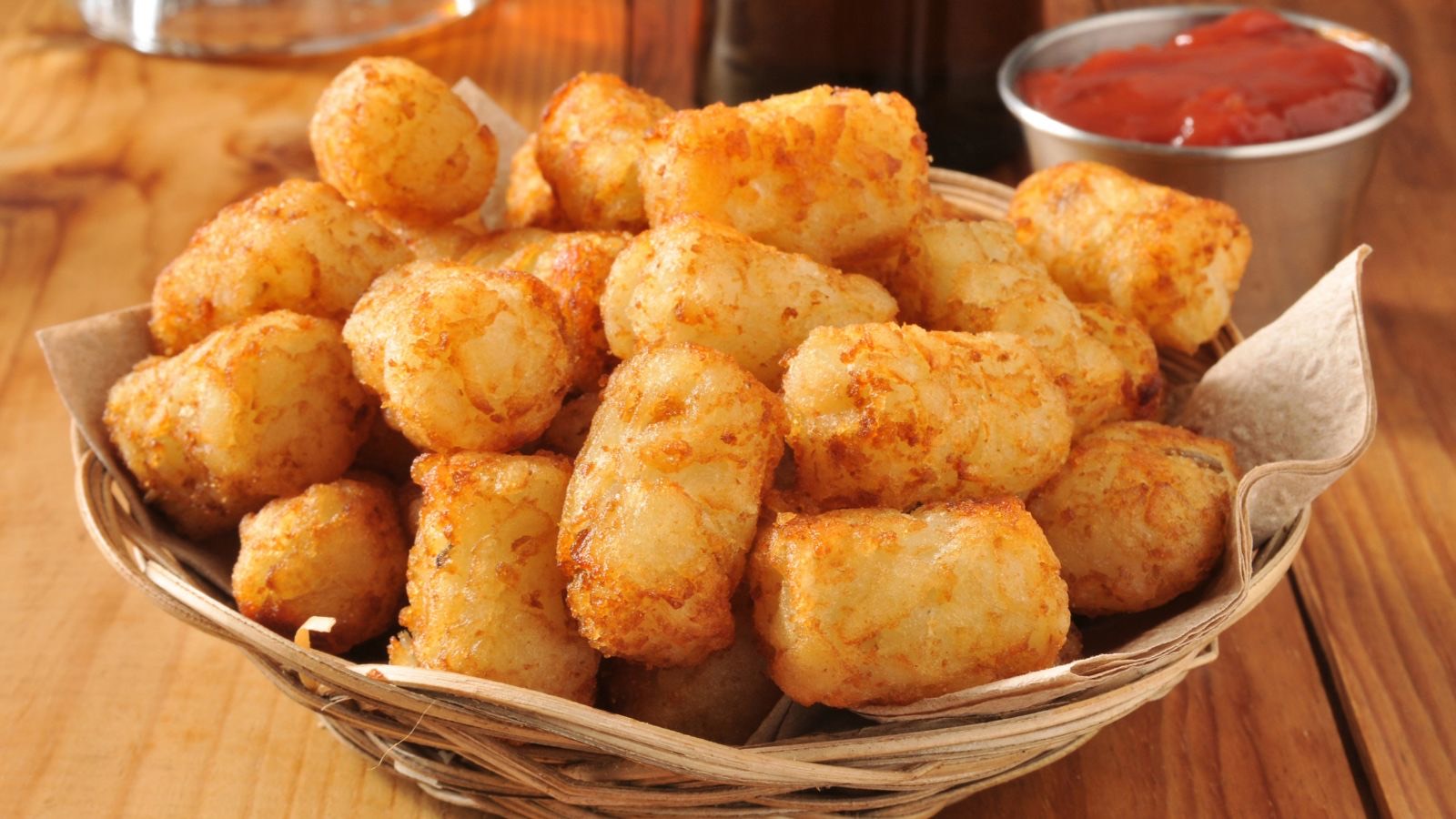
At first, the idea of potato nuggets seemed odd. Stores even had trouble getting customers to try them. But once people tasted them, Tater Tots became a hit. Today, they’re a staple in school cafeterias, Midwestern hotdish, and restaurant menus across the country.
5. Rice-A-Roni
In 1958, the DeDomenico family, who ran a pasta company in San Francisco, created Rice-A-Roni. It combined rice and vermicelli pasta, browned together and cooked with chicken-flavored seasoning. The recipe was inspired by a pilaf that a neighbor had shared with the family.
The idea of mixing rice and pasta in one box sounded unusual, but it became a huge success. Its jingle, “Rice-A-Roni, the San Francisco Treat,” became one of the most famous in advertising history. It’s still sold today in many flavors.
6. Sugar-Coated Breakfast Cereal
In the early 1950s, cereal companies started coating their cereals in sugar. Post introduced Sugar Crisp in 1949, and Kellogg’s followed with Sugar Pops in 1950 and Sugar Frosted Flakes in 1952. Many parents found the idea of sugar for breakfast strange, but kids loved it.
Tony the Tiger and other cartoon mascots helped sell the new cereals on Saturday morning TV. Sugary cereals became a staple of American breakfasts, though many companies later dropped “sugar” from their product names. Frosted Flakes remains one of the best-selling cereals in the country.
7. Backyard Grilling
Before the 1950s, outdoor cooking was mostly something people did at campsites or picnics. But as families moved to the suburbs, backyard barbecues became a weekend tradition. In 1952, George Stephen, a welder in the Chicago area, cut a metal buoy in half to create a kettle grill with a lid. It became the Weber grill.
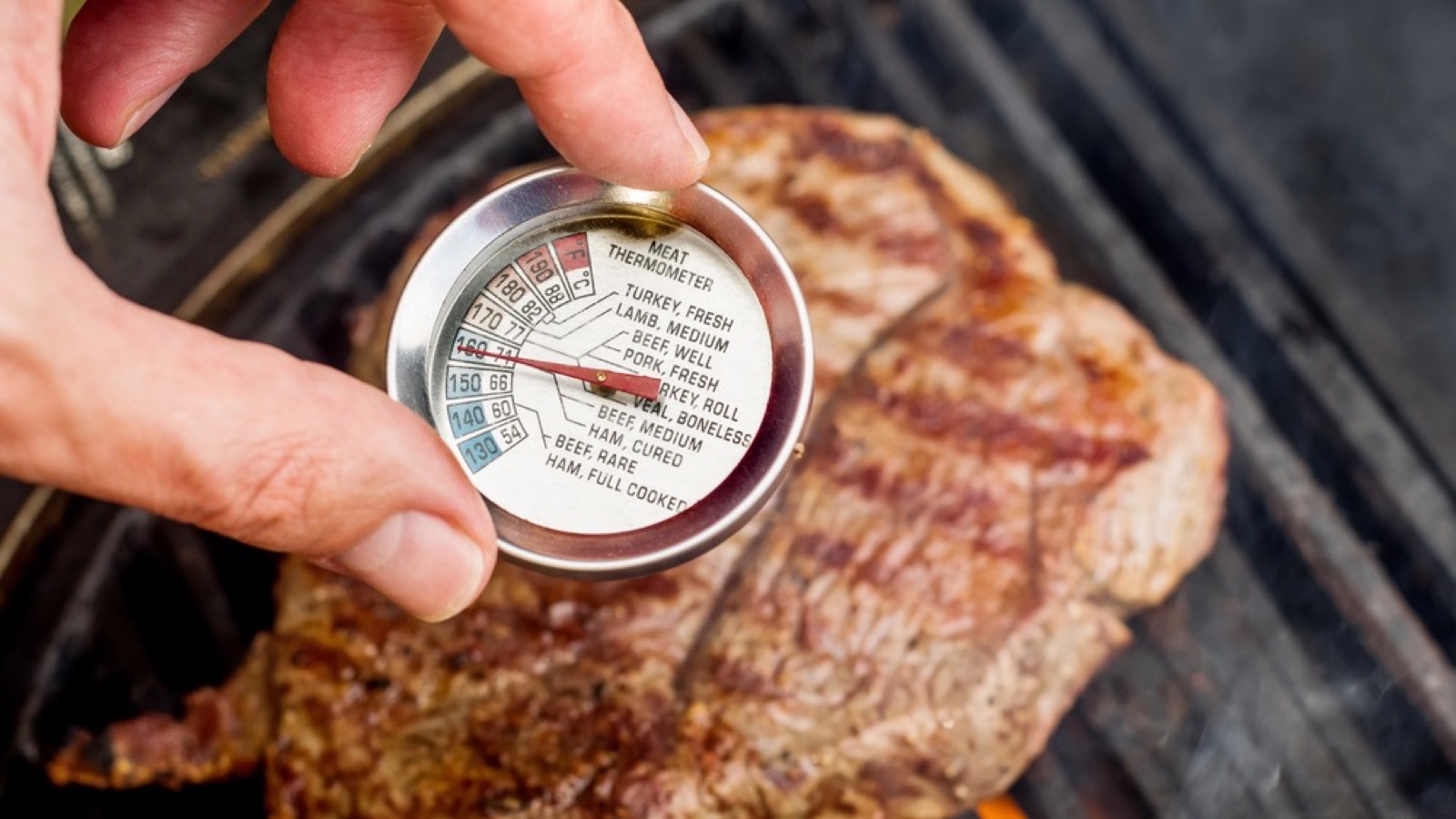
The idea of a grill with a lid was new and a little odd, but it gave backyard cooks much more control. Grilling quickly became a symbol of suburban life, and fathers who never cooked indoors proudly flipped burgers on weekends. Today, grilling is a beloved American pastime.
8. Whipped Cream in a Can
Reddi-wip was introduced in the late 1940s by Aaron “Bunny” Lapin, and by the 1950s it had become a popular treat. The idea of whipped cream that came out of a spray can seemed like magic, or perhaps a gimmick. Many home cooks were used to whipping cream by hand.
Reddi-wip became a favorite for topping pies, sundaes, and hot cocoa. Kids loved spraying it straight into their mouths. Today, it’s sold in nearly every grocery store, especially around the holidays, and it’s a staple of Thanksgiving pie tables.
9. Tiki and Polynesian Food
After World War II, many servicemen came home from the Pacific with an interest in island culture. Restaurants like Don the Beachcomber and Trader Vic’s had already introduced tropical drinks and Polynesian-themed food, and in the 1950s, tiki culture exploded. Hawaii’s statehood in 1959 only added to the excitement.
Families hosted luaus in their backyards, served pineapple-topped ham, and ordered pu pu platters at Chinese-Polynesian restaurants. Many of the dishes were more American than Polynesian, but the trend left a lasting mark. Sweet and sour dishes and tropical cocktails are still popular today.
Why These Trends Lasted
Many of these trends caught on because they matched the changes happening in American life. Families were busier, more mothers were working, and suburbs were growing. Convenience foods like TV dinners and fish sticks fit perfectly with the new pace of life.
Television also played a huge role. Ads for new foods reached millions of viewers, and catchy jingles made products like Rice-A-Roni famous. Many of these foods were also part of the kitchen classics that changed American cooking. The Smithsonian even keeps an early Swanson TV dinner tray in its collections.
Then and Now
Looking back, it’s amazing how many of these strange ideas became part of everyday life. Food that once seemed odd or futuristic is now so familiar that most people never think about where it came from. Many of these products are still sold today, often in many new flavors.
For boomers, these foods carry memories of childhood, family dinners, and backyard barbecues. They’re part of the foods most boomers loved and still enjoy.
Which of these 1950s food trends do you remember trying for the first time, and which one do you still eat today? Many readers say Tater Tots are the best thing to come out of the decade.