America Turns to Genetically Modified Flies in a New Battle Against a Dangerous Livestock Threat
A tiny insect is becoming the center of a major scientific fight to protect America’s farms, livestock, and food supply. Scientists in the United States are testing genetically modified flies in an effort to stop a devastating livestock pest that has caused serious concerns for farmers and agricultural officials.
The unusual strategy may sound like science fiction. Still, researchers believe these engineered insects could become a powerful weapon against a parasite that threatens animals, damages farms, and creates economic risks for ranchers across the country.
A New High-Tech Weapon Against a Dangerous Farm Threat

For generations, farmers have battled pests using chemicals, traps, and traditional control methods. Now, scientists are exploring a completely different approach by changing the biology of the pest itself.
The U.S. effort focuses on genetically modified flies designed to help control the spread of a flesh-eating livestock pest known as the New World screwworm. The parasite attacks living animals by laying eggs in wounds, where larvae hatch and feed on tissue.
The threat has worried agricultural officials because an outbreak could create serious problems for cattle producers, wildlife populations, and the broader food supply chain.
Why American Farmers Are Paying Close Attention
For ranchers, the return of this livestock pest would not simply be a minor inconvenience. It could create painful losses by harming animals, increasing treatment costs, and forcing farmers to take additional precautions.
The agricultural industry already faces rising expenses, extreme weather challenges, and supply chain pressures. A major livestock disease outbreak could add another layer of uncertainty for producers trying to keep operations running.
That is why scientists are searching for new solutions that could protect animals before the problem spreads.
How Genetically Modified Flies Could Change the Fight
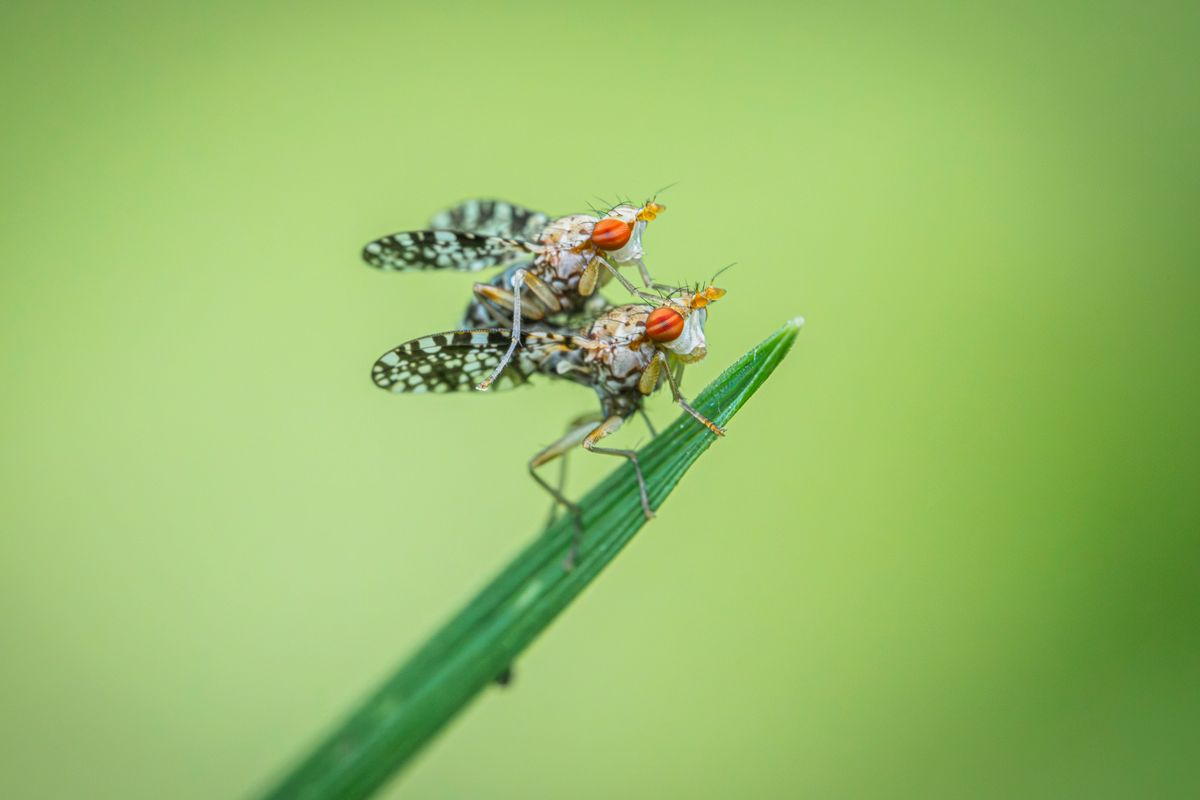
The idea behind genetically modified flies is to control insect populations through advanced genetics. Instead of relying only on pesticides, scientists can design insects with specific traits that help reduce the ability of harmful populations to grow.
Researchers hope these modified flies could interrupt the pest’s life cycle and reduce the number of dangerous insects capable of attacking livestock.
The approach represents a shift in how scientists think about pest control. Rather than simply fighting pests after they appear, genetic technology aims to prevent large outbreaks before they happen.
The Technology Raises Big Questions Across America
While the research has attracted attention from agricultural experts, it has also sparked conversations about the use of genetic engineering in nature.
Supporters say biotechnology offers a safer and more targeted way to manage serious agricultural threats. They argue that advanced tools could reduce dependence on chemicals and provide farmers with more effective protection.
However, some Americans remain cautious about releasing genetically modified organisms into the environment. Questions about long-term effects, ecological changes, and government oversight continue to shape the discussion.
Protecting America’s Food Supply Has Become a Bigger Priority

The debate comes at a time when food security has become a major concern nationwide. Farmers, policymakers, and scientists are increasingly focused on protecting agriculture from threats that could disrupt production.
Livestock plays a major role in America’s economy and food system. A widespread pest problem could affect not only ranchers but also consumers who depend on stable supplies of meat and agricultural products.
The fight against invasive species has become a national priority because small biological threats can quickly become major economic challenges.
A Modern Solution to an Old Agricultural Problem
The battle against livestock pests has existed for decades, but the tools being used today are dramatically different from those available in the past.
Scientists are combining genetics, biology, and technology to create solutions that would have seemed impossible years ago. The goal is to develop methods that are faster, more precise, and less damaging to the environment.
The genetically modified fly research represents a larger trend in agriculture where technology is becoming one of the most important tools for protecting farms.
Farmers Watch as Science Takes a New Direction
For many farmers, the biggest question is whether these new technologies can deliver real results in the field.
Agricultural communities understand the importance of innovation because farming has always depended on adapting to new challenges. From improved crops to advanced equipment, technology has played a major role in keeping food production moving forward.
Genetically modified flies could become another example of how science is changing the way America protects its farms.
The Future of Fighting Agricultural Threats May Look Very Different

The rise of biotechnology is changing the way experts approach some of the biggest challenges facing agriculture. Instead of waiting for problems to spread, researchers are looking for ways to stop threats before they become crises.
The genetically modified fly program is still being studied, but it represents a major moment in the future of American farming.
As climate change, global trade, and new agricultural threats continue to challenge producers, the United States may increasingly rely on advanced science to protect its food supply and keep farms secure.