7 Grocery Habits From the Great Depression That Are Making a Comeback
People who lived through the Great Depression learned to make every penny count. When jobs disappeared and money was scarce in the 1930s, families found clever ways to stretch their food budgets. They planted gardens, bought in bulk, cooked from scratch and wasted nothing. Those habits stayed with many of them for life, and their children often grew up rolling their eyes at them.
Now, many of those same habits are making a comeback. With grocery prices higher than they were a few years ago, families of all ages are looking for ways to save money. The USDA’s food price outlook tracks how food costs keep climbing, and shoppers are feeling it at the checkout. Here are seven grocery habits from the Great Depression that are making a comeback, and why they still work today.
1. Planting a Home Garden
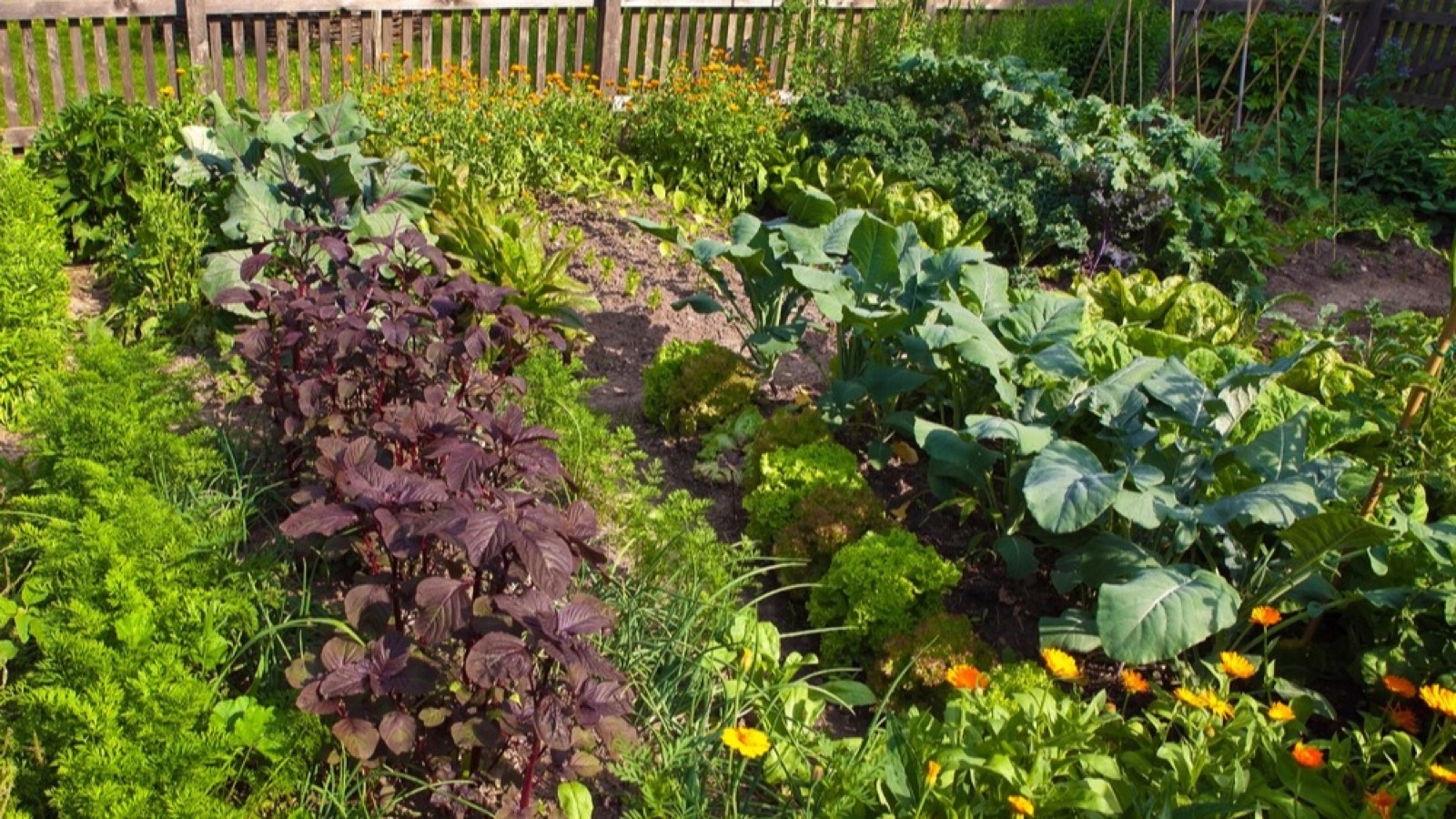
During the Depression, many families grew their own vegetables to save money and put food on the table. Later, during World War II, the government encouraged Americans to plant victory gardens, and millions did. Backyards, vacant lots and even rooftops were turned into gardens.
Home gardening has surged again in recent years, as people look to save money and eat fresher food. Even a small garden or a few pots of herbs on a balcony can cut grocery costs. Tomatoes, lettuce, beans and zucchini are easy for beginners to grow.
2. Buying in Bulk
Depression-era families bought flour, sugar, rice, beans and other staples in large quantities when they could afford it, because it was cheaper per pound. They stored them carefully in the pantry or cellar to make them last.
Today, warehouse clubs and bulk bins make it easy to buy staples in large amounts. Buying in bulk can save money on foods you use often, as long as you have space to store them and use them before they spoil.
3. Cooking From Scratch
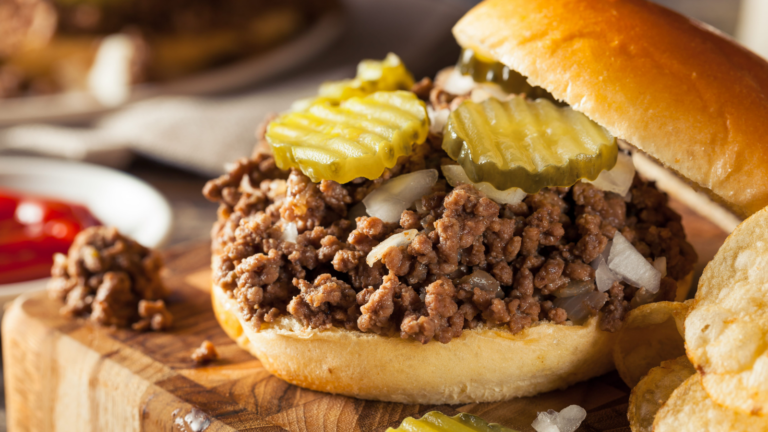
In the 1930s, there were few convenience foods, and most families couldn’t afford them anyway. Meals were cooked from scratch using basic ingredients, from bread and biscuits to soups and stews.
Cooking from scratch has become popular again, partly because it’s cheaper and partly because people want to know what’s in their food. A homemade loaf of bread or pot of soup costs a fraction of store-bought versions, and the skills are easy to learn.
4. Using Beans as a Main Protein
Meat was expensive during the Depression, so families relied on beans, lentils and other legumes for protein. Dishes like bean soup, baked beans and beans with cornbread were common, and they stretched a small amount of meat a long way.
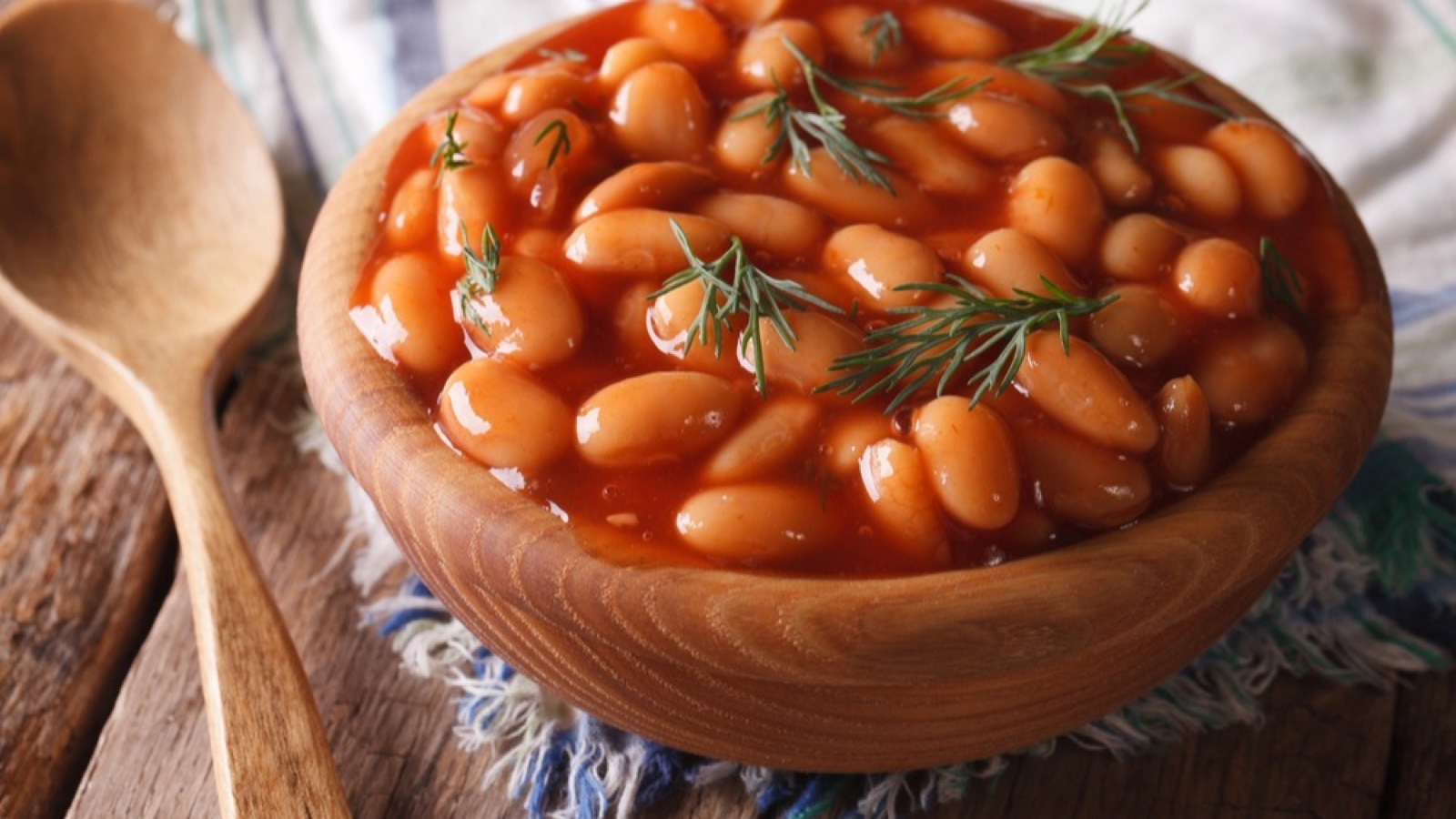
Beans are making a comeback as shoppers look for affordable protein. They’re also healthy, packed with fiber and nutrients. Harvard’s nutrition experts explain the benefits of beans and legumes, which are linked to better heart health.
5. Wasting Nothing
Depression-era cooks used every part of their food. They saved bacon grease, made broth from bones, turned stale bread into pudding and used leftovers in new meals. Throwing away food was unthinkable.
Today, cutting food waste has become a popular goal, both to save money and to help the environment. Many families are learning to plan meals, use leftovers creatively and store food properly so it lasts longer.
6. Canning and Preserving
Families in the 1930s canned fruits and vegetables from their gardens to have food through the winter. Shelves of glass jars filled with tomatoes, peaches, pickles and jams were a common sight in basements and pantries.
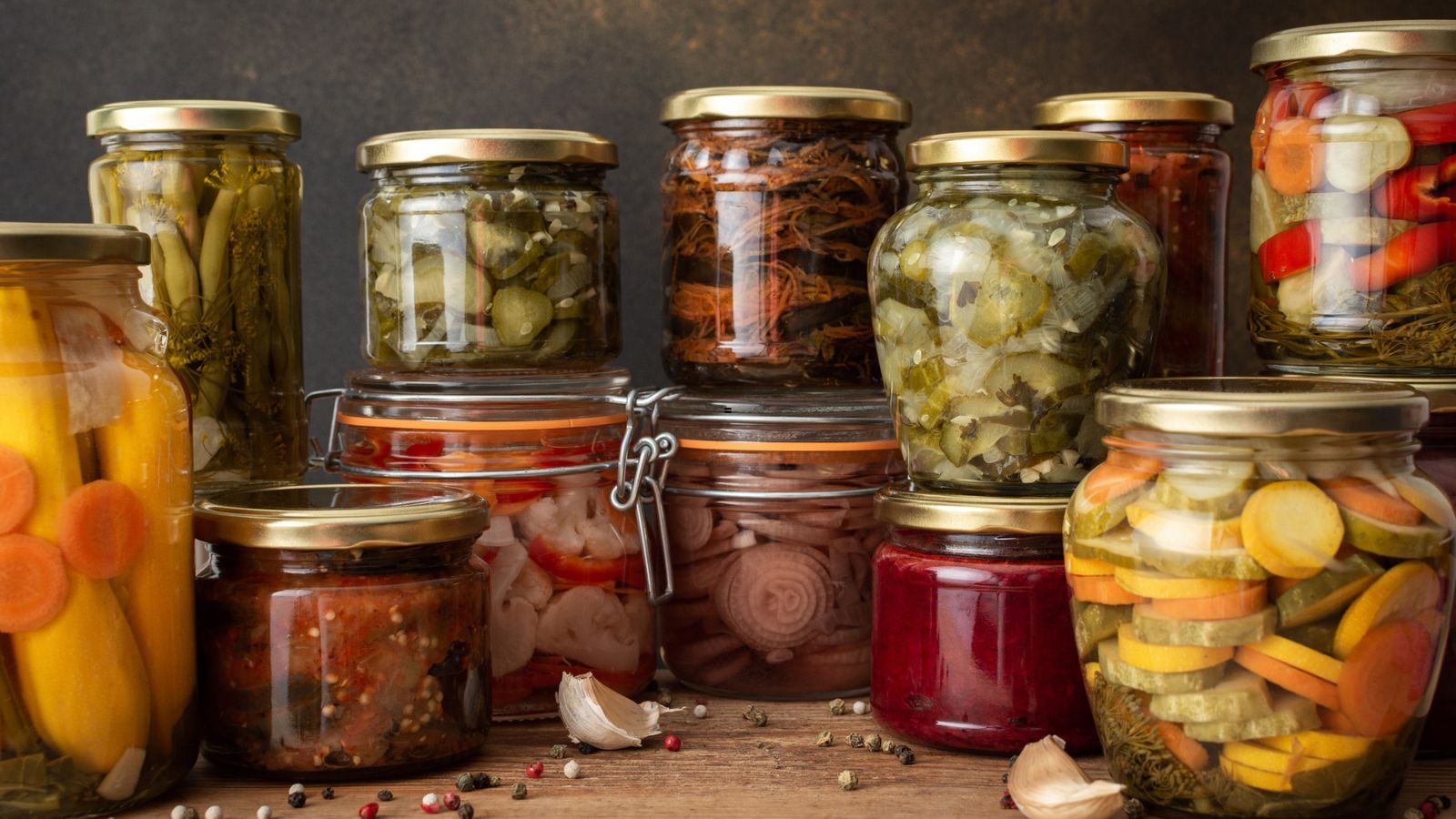
Home canning has seen a revival, with many people learning to preserve their own food. It’s important to follow tested recipes for safety. The National Center for Home Food Preservation offers guidance for beginners.
7. Planning Meals Around Sales
Depression-era homemakers planned their meals around what was cheap and available. They bought what was on sale and built their menus around it, rather than shopping for specific recipes.
Many shoppers are doing the same today, checking weekly ads and store apps for deals before planning their meals. It’s a simple way to save money without sacrificing good food.
Why These Habits Never Really Went Away
For many people, these habits never disappeared at all. Children and grandchildren of Depression survivors often grew up with the same lessons. Some of those lessons were passed down as everyday rules, like turning off the lights and never wasting food. Many of these habits boomers picked up from their Depression-era parents are still part of their lives.
What once seemed old-fashioned now looks smart. Younger generations facing high costs are discovering what their grandparents knew all along.
Teaching the Next Generation
Many grandparents are passing these habits on to their grandchildren. They teach them how to plant tomatoes, bake bread, can peaches or stretch a pot of soup to feed a crowd. These lessons are practical, but they also connect younger generations to family history and to the struggles their great-grandparents survived.
Young adults facing high rent and grocery bills are often eager to learn. Skills that once seemed old-fashioned are now shared on social media by younger cooks, gardeners and homemakers. In a way, the Great Depression’s lessons are getting a second life with a new audience.
The Mindset Behind the Habits
What really set Depression-era shoppers apart was their mindset. They saw food as precious and spending as something to think through carefully. Every purchase was weighed against what the family truly needed, and treats were enjoyed because they were rare. Many of today’s shoppers are rediscovering that same careful approach.
Lessons for Today’s Shoppers
The biggest lesson from the Great Depression is that small habits add up. Buying in bulk, cooking at home and wasting less can make a real difference over time. Many families find that these habits not only save money but also bring a sense of satisfaction and self-reliance.
You don’t have to live like it’s 1933 to benefit. Even adopting one or two of these habits can help, and these frugal living tips offer more ideas for stretching a budget. Which of these Depression-era habits does your family follow today?