8 Things People Do at Restaurants That Make Servers Cringe
Going out to eat should be a treat. Someone else does the cooking, someone else clears the plates and nobody has to wash a single dish. For many families, a nice dinner out is one of life’s simple pleasures.
But for the people carrying those plates, a single table can make or break a shift. Servers juggle hot food, demanding schedules and a paycheck that often depends heavily on tips, and some customer habits make that job much harder than it needs to be. Most diners don’t mean any harm, and many have no idea they’re doing anything wrong, so here are eight common restaurant habits that make servers cringe and what to do instead.
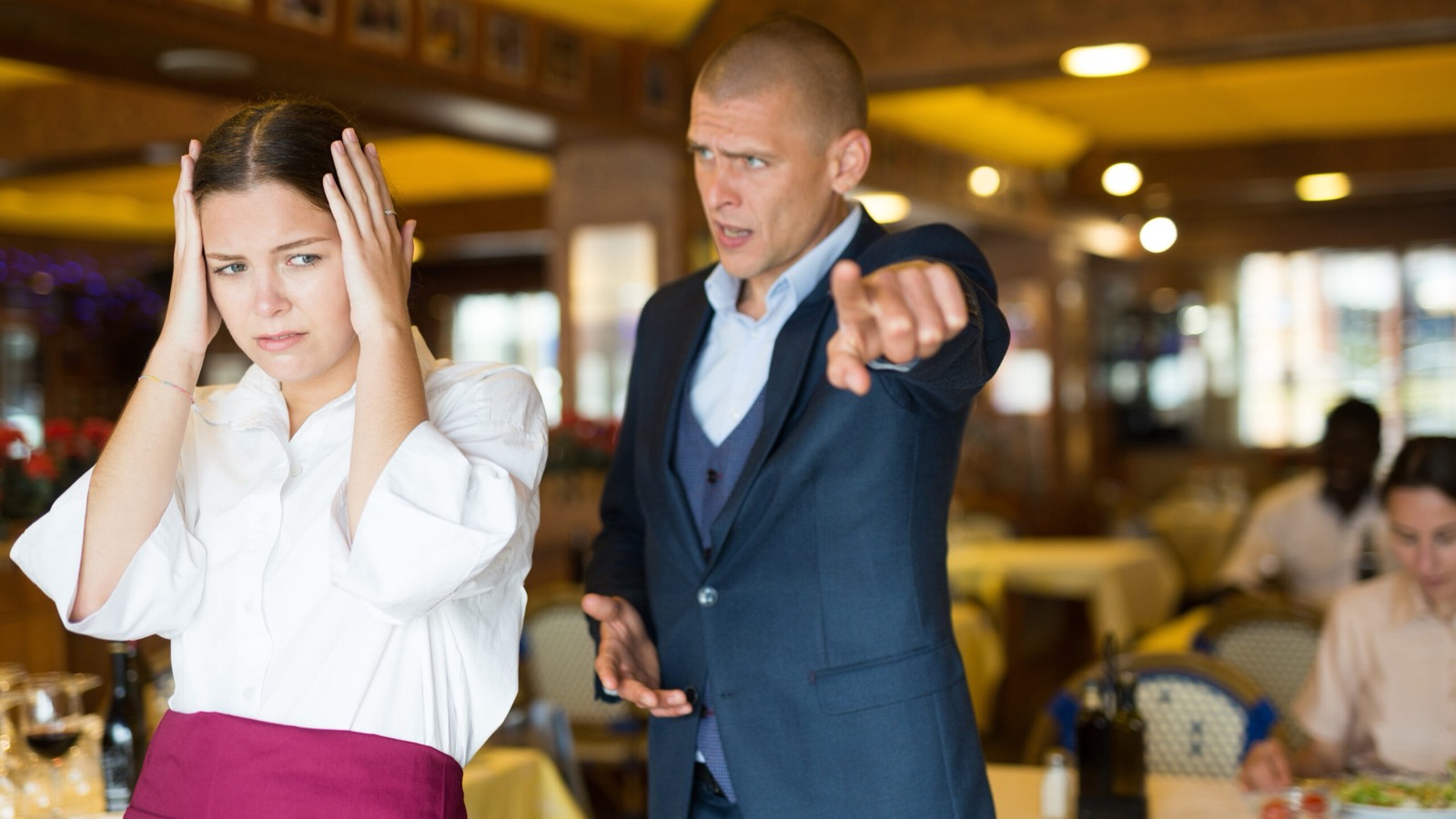
1. Snapping, Waving or Whistling for Attention
Few things make a server wince faster than a customer snapping their fingers or whistling across the room. It feels less like a request and more like summoning a pet. Even frantic waving can come across as impatient and rude when a server is clearly busy with another table.
Most servers are keeping an eye on all their tables, even when it doesn’t seem like it. If you need something, try making eye contact or politely saying “Excuse me” as they pass. A little patience goes a long way, and it usually gets you better service in return.
2. Ignoring the Server While on the Phone
Picture a server walking up to greet a table, only to find everyone staring at their phones. They wait, repeat themselves and then stand there while a diner holds up one finger to finish a call. Meanwhile, their other tables are waiting too.
Being on the phone when your server arrives sends the message that their time doesn’t matter. It also slows down service for everyone in the section. Setting the phone aside for the minute it takes to order is a small courtesy that servers notice and appreciate.
3. Tipping Poorly or Not at All
In many states, servers earn a cash wage far below the regular minimum wage, with tips expected to make up the difference. Under federal law, employers can pay tipped workers as little as $2.13 an hour in cash wages as long as tips bring them up to the full federal minimum wage. Some states require higher pay, but tips still make up a big part of many servers’ income.
Americans don’t all agree on how much to tip. A Pew Research Center survey from 2023 found that 57% of adults would leave a tip of 15% or less for an average meal at a sit-down restaurant, and only about a quarter would tip 20% or more. If the service was poor, it’s fair to tip less, but it’s kinder to mention the problem to a manager than to quietly leave nothing.
4. Camping at the Table During a Rush
Lingering over coffee on a slow afternoon is usually fine. But sitting for an hour after paying while a line of hungry people waits at the door is a different story. Servers often depend on turning tables to earn enough during their busiest hours.
If you want to keep chatting after a long meal, consider moving to the bar or a nearby coffee shop. If you do stay, ordering dessert or another drink and tipping a little extra can help make up for the lost table. Being aware of the crowd around you is a simple way to show respect.
5. Walking In Right Before Closing
Restaurants often stay technically open until a certain time, but the kitchen and staff may be wrapping up for the night. When a large group walks in five minutes before closing and orders three courses, it can keep servers and cooks there long after their shift should have ended. Many of them have families waiting at home, too.
You aren’t breaking any rules by eating at a restaurant during posted hours. Still, it’s considerate to ask whether the kitchen is still taking full orders. Ordering efficiently, not lingering for hours and tipping generously can soften the impact.
6. Leaving a Huge Mess
Crumbs and a few spills are part of eating out, and servers expect them. What makes them cringe is a table that looks like a storm hit it, with food ground into the carpet, sugar packets torn everywhere and sticky messes left for someone else. Families with young children know that some mess is unavoidable.
You don’t need to bus your own table, but a few small steps help. Stack plates neatly if it’s easy, pick up the worst of what fell on the floor and apologize if things got out of hand. Many servers say a sincere thank-you and a good tip make up for almost any mess.
7. Splitting the Check at the Last Second
A table of 10 asking for separate checks after the meal is over can create a headache. Servers have to sort through who ordered what, who shared an appetizer and who wants to pay with three different cards. It can tie up a busy server for several minutes.
The fix is easy: tell your server at the start of the meal if you’ll need separate checks. Many restaurants also have policies on large groups, and some add an automatic gratuity, so it’s worth reading the menu. One diner found out the hard way when a restaurant added an 18% gratuity to her party of five.
8. Letting Kids Run Around the Dining Room
Children who are bored after a long wait can get restless, and that’s normal. The problem comes when kids run between tables or play near the kitchen door. Servers are often carrying trays of hot food and heavy plates, and a child darting out of nowhere can lead to spills, burns or injuries.
Keeping children seated, bringing small activities and taking a quick walk outside if they get antsy can help. Most servers love seeing families enjoy a meal together. They simply want everyone, especially the little ones, to stay safe.
Why Being a Good Customer Matters
Restaurant work is physically demanding and often stressful. Servers spend hours on their feet, deal with complaints that aren’t their fault and handle a steady stream of demands at once. A considerate customer can make a real difference in their day.
Most Americans still try to do the right thing. Bankrate’s 2025 tipping survey found that 70% of U.S. adults who eat at sit-down restaurants say they always tip their server. Avoiding these dining out blunders is an easy way to make sure you’re one of the customers servers are happy to see.
A Little Kindness Goes a Long Way
The best restaurant experiences are good for everyone. Diners get great food and service, and servers get respect and fair pay for their hard work. A smile, a thank-you and a fair tip cost very little but mean a great deal.
Many servers say regular customers who treat them kindly become the highlight of their week. Some even remember their favorite diners’ orders by heart. What’s the most annoying restaurant habit you’ve ever witnessed, or are you a former server with a story to share?