7 Food Signs You Were Raised by Depression-Era Parents
The Great Depression ended more than 80 years ago, but its lessons never really left the American kitchen. People who lived through the 1930s learned to stretch every dollar, waste nothing and always keep something in the pantry for hard times. Many of them carried those habits for the rest of their lives and passed them straight down to their children.
If you grew up in a home shaped by those years, you probably didn’t think your family’s food habits were unusual. They were simply the way things were done. Looking back, though, many of those rules make perfect sense, and some are even coming back into style. Here are seven food signs you were raised by Depression-era parents, and you may recognize more than a few of them.
1. There Was Always a Can of Bacon Grease by the Stove
In many homes, a coffee can or small crock sat next to the stove, slowly filling with bacon drippings. Nothing went down the drain if it could be used again. That grease flavored green beans, fried eggs, cornbread and gravy, adding rich taste to inexpensive meals.
To Depression-era cooks, throwing away good fat would have been unthinkable. Butter and lard cost money, while bacon grease was free once breakfast was made. Today, many cooks still save it, though food safety experts recommend straining it and keeping it covered in the refrigerator rather than on the counter.
The same thinking applied to other fats and drippings. The juices from a Sunday roast became the base for gravy, and chicken fat was saved for frying potatoes or making dumplings. If you still feel a twinge of guilt pouring good drippings into the trash, you can probably thank the parents who raised you.
2. You Had to Clean Your Plate
“Clean your plate” was one of the most common rules at the family dinner table. Children were often reminded that there were hungry people in the world and that food was not to be wasted. Leaving a few bites behind could earn a lecture, or a seat at the table until the plate was empty.
For parents who had known real hunger, wasting food felt almost wrong. Many people who grew up with this rule still find it hard to leave food on their plate, even as adults. It’s one of several clean your plate habits that can follow people for life.
3. Leftovers Became a Whole New Meal
In a Depression-era household, leftovers were never just reheated and forgotten. Sunday’s roast became Monday’s hash, Tuesday’s sandwiches and Wednesday’s soup. Bits of vegetables, rice and meat ended up in casseroles, stews and pot pies, so nothing went to waste.
Culinary historians Jane Ziegelman and Andrew Coe, authors of a book on Depression-era food, explained in an interview with NPR that cheap, nutritious and filling food was the priority during those years, often at the expense of taste, in a discussion of how the era changed U.S. diets. That mindset taught families to see every scrap as the start of another meal. Many grown children still can’t throw out a spoonful of leftover vegetables without finding a use for it.
In many of these homes, one night a week was simply “leftover night,” when every container in the refrigerator came out and everyone picked what they wanted. Nobody called it a buffet, but it often felt like one. It was a practical way to clear the fridge before the weekend shopping trip, and many families still keep the tradition alive.
4. Nothing Was Ever Thrown Away, Including Containers
If you opened a margarine tub in your parents’ fridge and found leftover soup inside, you might have been raised by Depression-era parents. Butter tubs, Cool Whip containers and glass jars became free storage containers. Aluminum foil was washed, folded and used again, and bread bags were saved for wrapping sandwiches.
Twist ties, rubber bands and paper bags were tucked into kitchen drawers for later. To outsiders, it might have looked like clutter, but to those parents, it was simply common sense. Some of these thrifty habits are now popular again among people trying to cut waste and save money, much like the other boomer habits making a comeback.
5. A Little Meat Went a Long Way
Meat was expensive during the Depression, so cooks learned to stretch it as far as possible. Meatloaf was bulked up with bread crumbs, crackers or oats. Casseroles mixed a small amount of meat with noodles, rice, potatoes or beans, and a single chicken could feed a family for days.
Many children of Depression-era parents grew up eating creamed dishes, like creamed chipped beef or creamed chicken over toast, which turned a small amount of protein into a filling meal. Soups and stews were also favorites because they could feed many people with very little. These dishes may have been born of necessity, but many families still treasure them as comfort food today.
6. Stale Bread Never Went in the Trash
In a Depression-era kitchen, bread was too precious to waste. Stale slices became bread pudding, French toast, stuffing or breadcrumbs. Even the heels of the loaf were saved, though children often fought over who had to eat them.
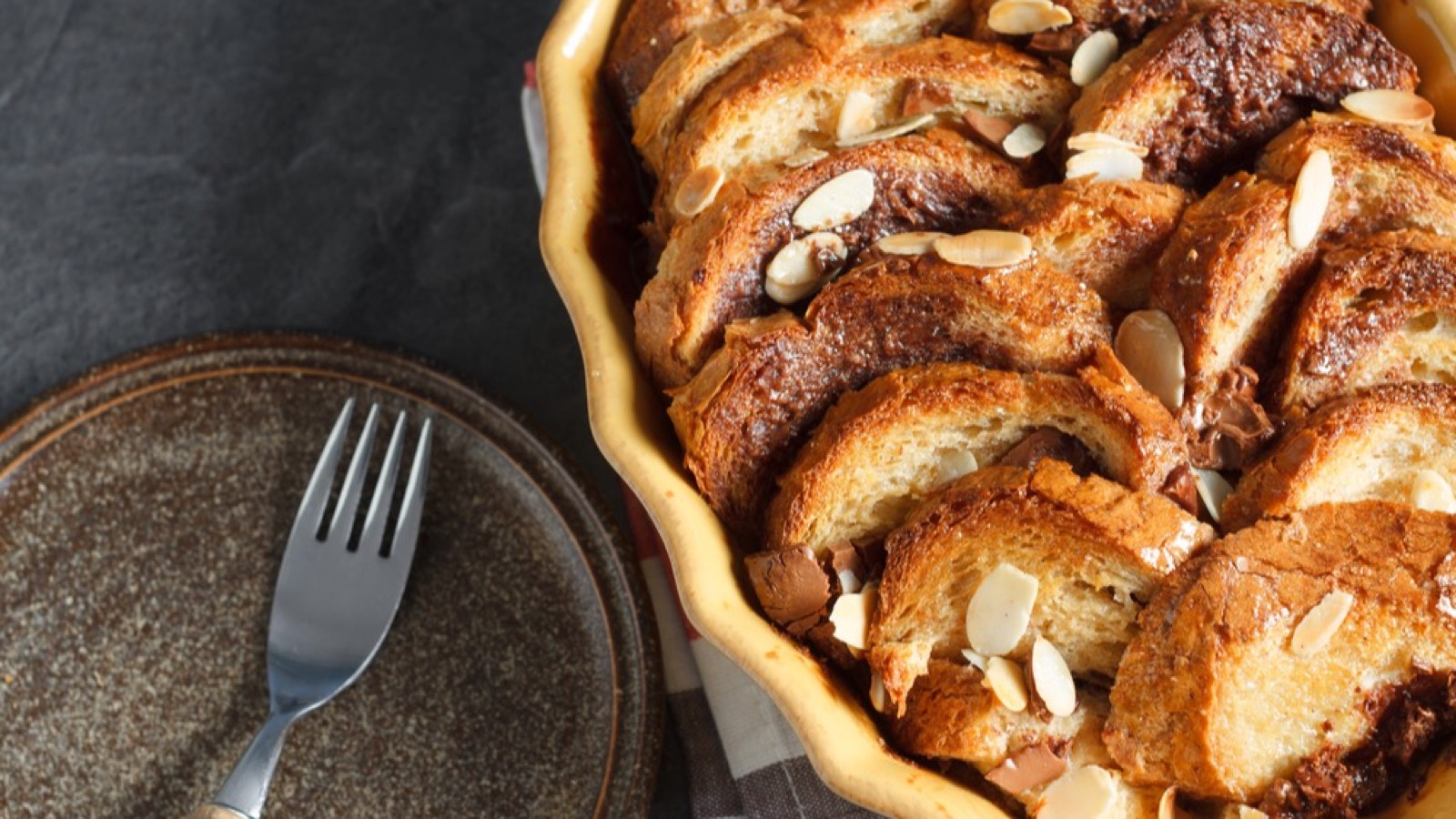
Some families also made “Depression cake,” sometimes called wacky cake, which was baked without eggs, milk or butter. These recipes used basic pantry staples and were a way to make a sweet treat when certain ingredients were scarce or too costly. Many people still bake them today and are surprised how moist and tasty they are.
7. The Pantry and Freezer Were Always Full
Depression-era parents often kept their shelves stocked as if another hard time could arrive at any moment. Pantries were lined with canned goods, flour, sugar, rice and dried beans. Basements and cellars held rows of home-canned tomatoes, green beans, pickles and jams from the summer garden.
Many of these families also grew vegetables in a backyard garden and canned the harvest every summer. Home canning is still popular, and the National Center for Home Food Preservation offers tested guidance on safe canning so home cooks can do it correctly. For the children of these parents, a well-stocked pantry still feels like security, and many keep extra supplies on hand without even thinking about it.
Lessons Worth Keeping
Many of the habits passed down from Depression-era parents are still smart today. Wasting less food, using leftovers creatively and buying only what you need can save money and help the environment. The FDA even encourages shoppers to plan meals, use up leftovers and check food before throwing it out in its tips to reduce food waste.
These parents may have seemed overly careful at times, but they were shaped by years when food was scarce and nothing could be taken for granted. Their children often carry those lessons with gratitude, along with a few funny memories of washed foil and margarine tubs full of leftovers. Which of these Depression-era food habits did you grow up with, and do you still follow any of them today?