7 Things That Can Turn a Peaceful Neighborhood Into a Nightmare
A peaceful neighborhood is one of those things people often take for granted until it starts disappearing. You move into a quiet street because you want somewhere to relax, raise a family, enjoy your home, and feel comfortable walking outside. You expect friendly neighbors, manageable noise, clean surroundings, and a little consideration from nearby residents.
But sometimes, the atmosphere changes. The street that once felt welcoming becomes somewhere residents dread returning to after work. Neighbors stop talking, arguments become more common, and ordinary activities begin to feel like sources of stress.
What makes these situations particularly frustrating is that a neighborhood does not need a major disaster to become unpleasant. A handful of recurring problems can gradually affect everyone’s quality of life.
Here are seven things that can turn an otherwise peaceful neighborhood into a nightmare.
Neighbors Who Treat Every Night Like a Party
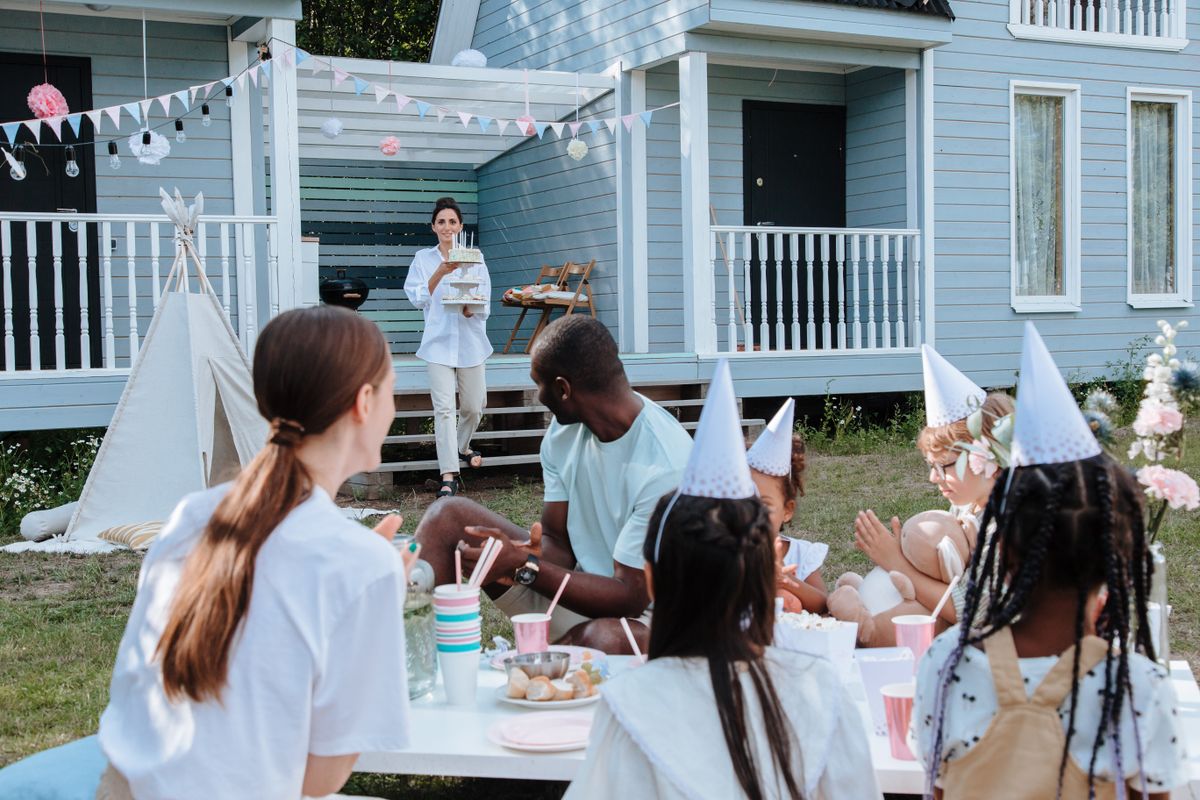
Everyone deserves to enjoy their home, invite friends over, and celebrate special occasions. The problem begins when one household consistently ignores the fact that other people live nearby.
Loud music, shouting, late-night gatherings, and car stereos playing at unreasonable hours can quickly become exhausting. For someone who wakes up early for work or has young children, repeated nighttime disturbances can make home feel less like a place to rest.
The situation worsens when people dismiss polite requests or treat them as personal attacks.
Occasional celebrations are part of community life. But when one neighbor’s entertainment becomes everyone else’s problem, resentment can build surprisingly quickly.
Related: 8 Most Vibrant Cities
Constant Arguments Between Neighbors
Disagreements happen in every community. A dispute over a parking space, property boundary, tree branches, or shared driveway does not automatically make a neighborhood unpleasant.
However, when ordinary disagreements turn into ongoing personal conflicts, the atmosphere can change dramatically.
Residents may start avoiding one another, exchanging hostile looks, spreading rumors, or involving other neighbors in arguments. Sometimes, a disagreement between two households creates tension across an entire street.
Children may get caught in the middle, and visitors may feel uncomfortable when they sense hostility between neighbors.
The hardest part is that even residents who have nothing to do with the original dispute may eventually feel the tension.
Properties That Are Never Maintained
Not every homeowner has the money, time, or physical ability to maintain a property perfectly. An older house or an untidy garden should not automatically become a reason to judge someone.
However, serious and persistent neglect can affect an entire street.
Overgrown vegetation, overflowing rubbish bins, abandoned vehicles, broken fences, and accumulated junk can make shared surroundings look neglected. In some cases, poorly maintained properties may also create practical problems, such as attracting pests or obstructing walkways.
The issue becomes particularly frustrating when residents take pride in maintaining their own homes but feel that the surrounding environment is deteriorating.
A neighborhood does not need identical houses or perfectly manicured lawns to look attractive. It does, however, benefit when residents show reasonable consideration for their surroundings.
Parking Wars That Never Seem to End
Parking can become surprisingly personal, especially in neighborhoods with small driveways and limited street parking.
One resident may repeatedly park in front of another person’s home. Someone else may block a driveway, occupy a shared space, or leave a vehicle in a position that makes it difficult for others to pass.
In apartment communities, disputes may develop over visitor parking, assigned spaces, or vehicles occupying areas intended for deliveries.
Sometimes, the disagreement is not even about ownership. It is about whether someone is being considerate.
A single parking incident may be easy to resolve. But when the same behavior continues, residents can begin treating every available parking space as a potential source of conflict.
Clear rules and respectful communication can prevent many of these disagreements from becoming permanent neighborhood feuds.
Related: 10 Car Insurance Mistakes That Are Costing You More Than You Think.
Uncontrolled Pets and Irresponsible Pet Ownership
Many neighborhoods have dogs, cats, and other pets. For most residents, animals are simply part of everyday community life.
Problems arise when owners refuse to take responsibility for their pets.
Repeated barking, animals wandering into neighboring yards, pets damaging gardens, and waste being left on sidewalks can create frustration. Residents uncomfortable around unfamiliar animals may also feel uneasy when dogs regularly roam unsupervised.
The disagreement often becomes more complicated when an owner insists that everyone else should tolerate the behavior.
Responsible pet ownership involves more than providing food and shelter. It also means considering how an animal’s behavior affects nearby residents.
People Who Treat Shared Spaces Like Their Private Property
Shared spaces exist for everyone to use, but not everyone respects that arrangement.
In some neighborhoods, residents leave personal belongings on sidewalks, occupy communal gardens, block shared entrances, or use common parking areas as private storage.
In apartment complexes, similar problems can involve laundry left in hallways, rubbish placed outside doors, or residents refusing to follow agreed rules for shared facilities.
These behaviors may appear minor individually. However, when several households begin ignoring community expectations, shared spaces become increasingly difficult to enjoy.
The frustration is not necessarily about the objects themselves. It is about the feeling that some residents believe their convenience matters more than everyone else’s access and comfort.
A Neighborhood Where Nobody Looks Out for Anyone
A peaceful neighborhood does not require everyone to become close friends. People have different schedules, personalities, and lifestyles. Some prefer privacy, and that should be respected.
Still, there is a difference between respecting privacy and having a community where nobody cares about anyone else.
When residents never communicate, ignore obvious problems, refuse to report dangerous situations, or show no concern when a neighbor needs reasonable assistance, the sense of community can disappear.
For example, imagine an older resident struggling to bring groceries inside while everyone walks past without offering help. Or consider a household dealing with repeated suspicious activity while surrounding residents refuse to communicate about what they have noticed.
Not every situation requires intervention, and nobody should feel pressured to become a neighborhood security guard. But basic awareness, courtesy, and a willingness to communicate can make a considerable difference.
Sometimes, the most valuable thing about a neighborhood is knowing that someone nearby would notice if something was seriously wrong.
Related: Brutally Honest Words and Phrases That Make You Instantly Lose Respect
A Peaceful Neighborhood Takes More Than Good Houses
People often spend a lot of time choosing a home based on its size, price, location, and appearance. Yet the surrounding community can influence how comfortable life becomes just as much.
A beautiful house may lose some of its appeal when the street is constantly noisy, neighbors are hostile, or shared spaces are treated carelessly.
At the same time, no neighborhood is perfect. People have different expectations, financial circumstances, and lifestyles. Living close to others requires patience, compromise, and a willingness to respect reasonable boundaries.
The goal should not be to control how everyone lives. It should be to create an environment where people can enjoy their homes without constantly making life difficult for one another.