8 Department Store Christmas Traditions Boomers Still Remember
For many boomers, Christmas did not really start until the family made the trip downtown to the big department store. The windows glittered, the toy floor buzzed, Santa held court on his throne and the whole building smelled like popcorn, perfume and pine.
Those flagship stores were more than places to shop. They staged holiday traditions that families planned around every year, from lunch beneath a towering tree to a ride over the toy department. Here are eight that still make grown-ups smile.
1. Pressing Your Nose Against the Holiday Windows
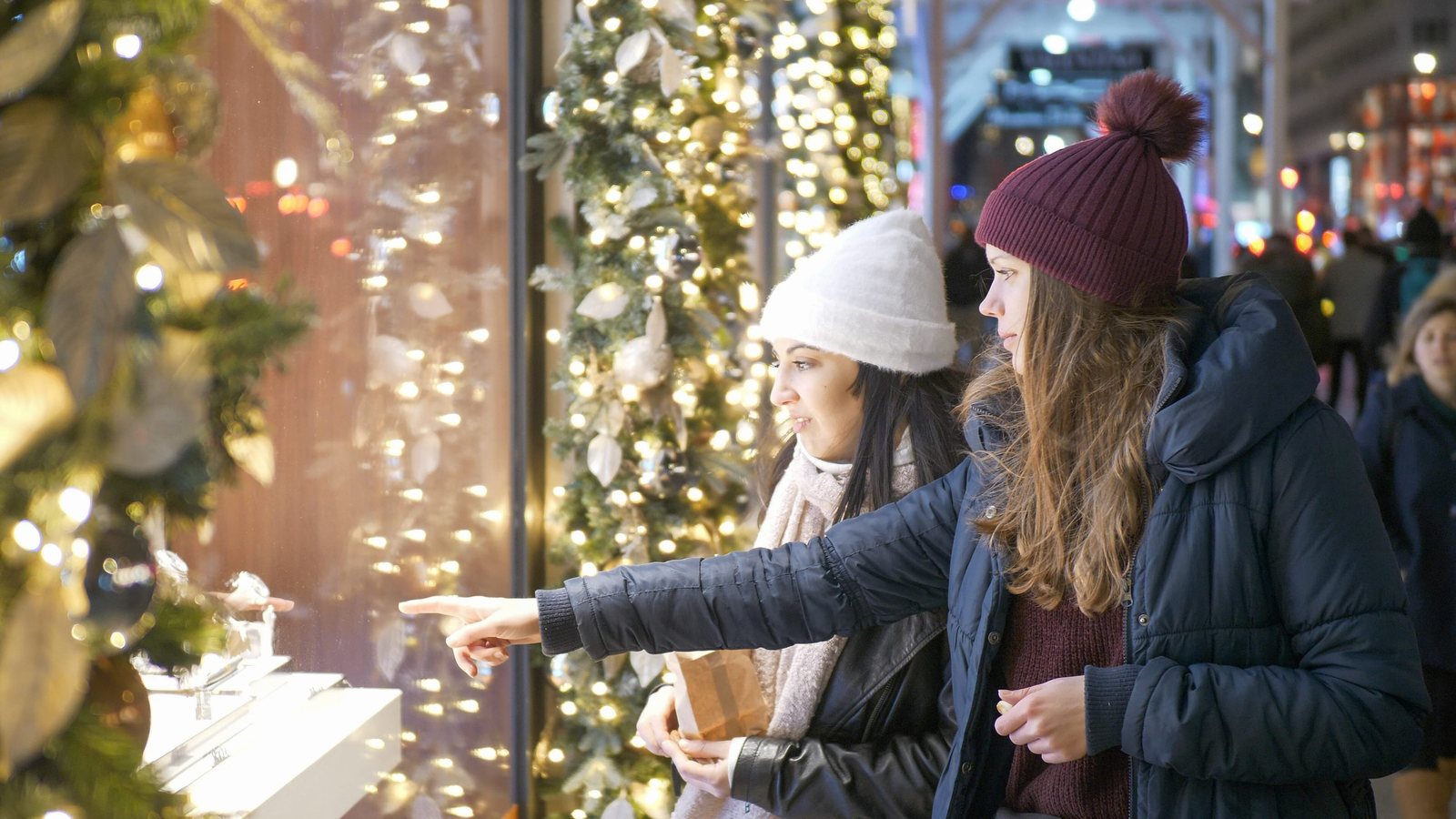
The animated Christmas windows were a free show for the whole city. Moving elves, twirling skaters and tiny trains drew crowds that stood three deep on cold sidewalks. In Chicago, WBEZ recalls families taking in the famous State Street Christmas windows at Marshall Field’s before heading inside to see Santa and have lunch.
New York’s Fifth Avenue windows still draw visitors today, and they remain one of the best free or cheap things to do in New York City during the holidays.
2. Lunch Under the Great Tree
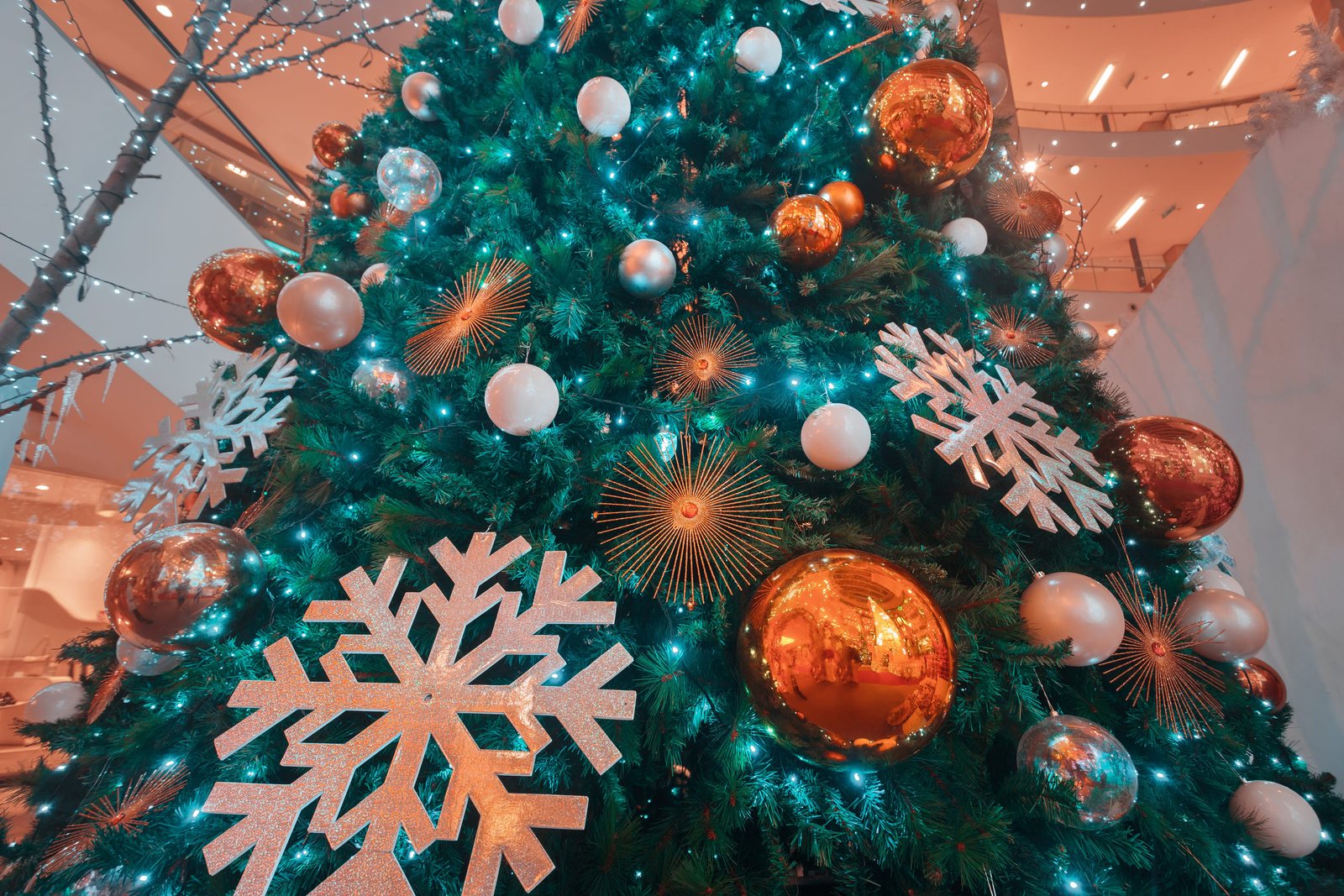
At Marshall Field’s, the Walnut Room on the seventh floor became a holiday destination, with a giant decorated “Great Tree” rising in the middle of the dining room. Families dressed up, waited in long lines and lingered over lunch while kids stared up at the ornaments.
That kind of sit-down store dining was once common across the country, a story we explored in why department store lunch counters disappeared from America.
3. Riding the Pink Pig in Atlanta
Southern kids had their own magic. According to the Atlanta History Center, Rich’s department store launched the Pink Pig in 1953 as a pig-shaped children’s monorail that circled the ceiling of its toy department. By 1955 the track carried riders out onto the roof for a close look at the store’s Great Tree, and a second pig named Percival joined the first in 1964 to keep up with demand.
The History Center says Rich’s donated both original pigs to its collection in 1996, so they are still around for a new generation to admire.
4. Waiting in Line to See Santa
The store Santa was the main event. Kids rehearsed their lists in line, parents clutched coats and shopping bags, and a photo with the big man became a yearly keepsake. Many stores built whole “Santalands” or toy villages around his chair, with elves guiding children along the way.
Those yearly visits are one of the little rituals that disappeared without much notice for families who now shop mostly online.
5. Taking Home a Free Rudolph Booklet
Rudolph the Red-Nosed Reindeer was born as a department store giveaway. NPR reports that Montgomery Ward catalog writer Robert L. May created Rudolph in 1939, and the store printed more than two million copies of the booklet that year to hand out to children at Christmas. Few store freebies have ever had a longer life, and it sits comfortably among the nostalgic items everyone had 30 years ago. Plenty of families read it aloud at home with a plate of the holiday cookies Grandma baked every December close at hand.
6. Circling Toys in the Sears Wish Book
Even families who lived far from a big downtown store had a holiday shopping tradition. History.com says the first Sears Christmas Wish Book came out in 1933, and the catalog officially took the “Wish Book” name by 1968. Kids spent hours on the living room floor folding down page corners and circling dolls, race car sets and bikes in pen, then leaving it open in very obvious places.
7. Shopping in the Kids-Only Gift Shop
Some stores set up small holiday shops where only children were allowed inside. Volunteers or store clerks helped kids pick out inexpensive gifts for Mom, Dad and Grandma, then wrapped them up so the surprise stayed safe. For many children, it was the first time they bought presents with their own money, and the pride was enormous.
8. Getting Gifts Wrapped in Signature Store Boxes
A present in a box from the “good” department store meant something. Stores were known for their branded gift boxes, and many offered gift wrapping at a special counter. People saved those boxes for years and reused them for gifts that never came from that store at all, a frugal little trick that many families still swear by.
Most of those grand downtown flagships have closed or changed hands, but the memories hold on. If your family still talks about the year you saw the windows or rode the monorail, you are carrying on one of the warmest parts of an American Christmas.