9 Words and Phrases People Over 60 Use That Confuse Younger People
Language changes faster than most of us realize. Words that were part of everyday conversation in 1975 can sound like a foreign language to someone born in 2000. Many people over 60 have had the experience of saying something perfectly ordinary, only to be met with a blank stare from a grandchild or a younger coworker.
A lot of these words and phrases come from technology that has disappeared. Others come from household items, habits or ways of life that younger generations never experienced. The words stuck around in the vocabulary of people who grew up with them, even after the things they described faded away.
It can be funny, a little frustrating and sometimes a great way to start a conversation about the old days. Here are the words and phrases people over 60 still use that often leave younger people scratching their heads.
1. “Dial” the Phone
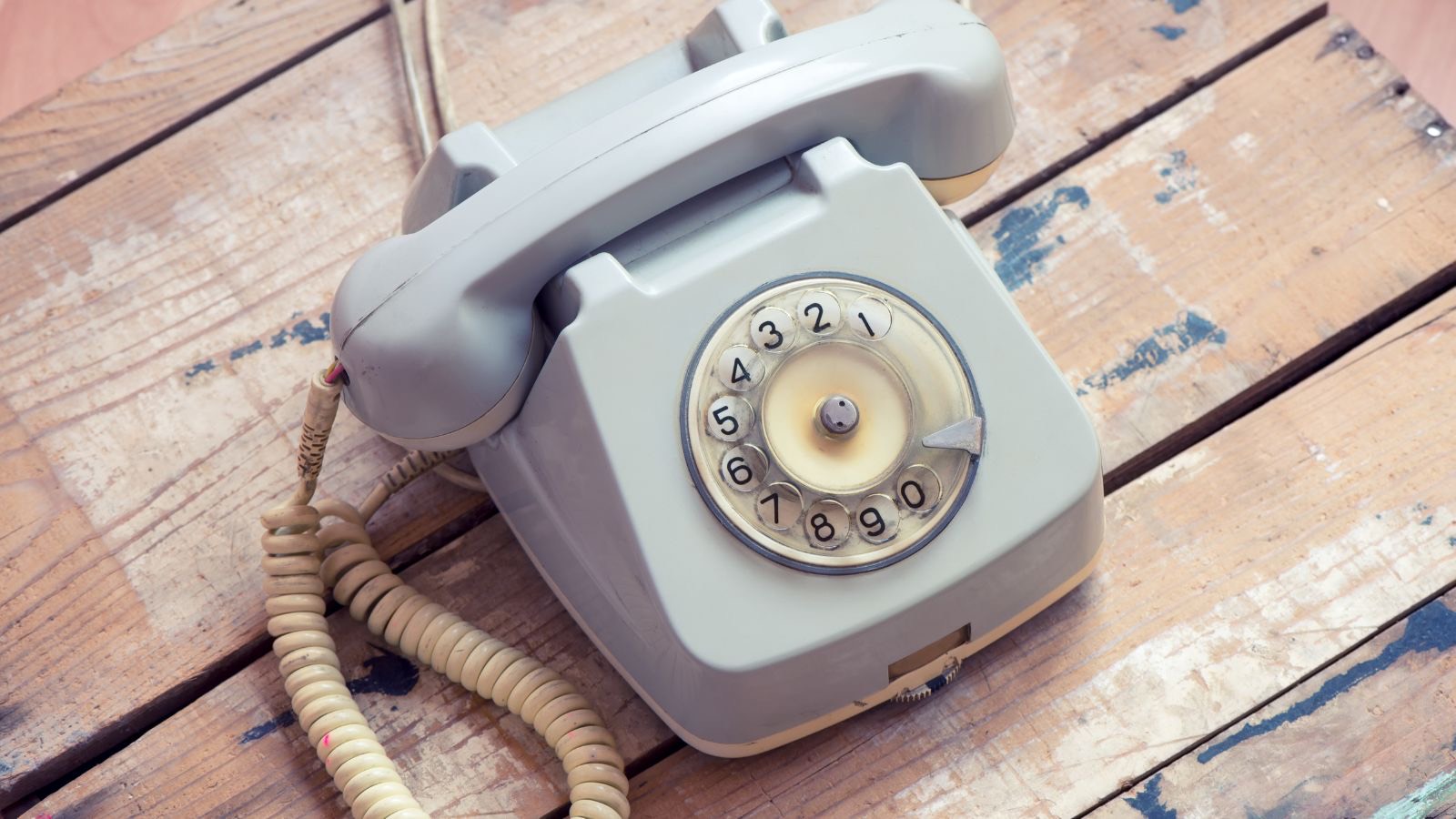
Many people over 60 still say they’ll “dial” someone, even though they’re tapping a number on a smartphone screen. The word comes from the rotary dial phones that sat in nearly every American home for decades. You put your finger in a hole, turned the dial and waited for it to spin back before dialing the next digit.
Younger people may understand what “dial” means, but they’ve never actually done it. Some have never even seen a rotary phone outside of a movie. When Grandma says “I’ll dial her up,” she’s using a word that describes a device most of her grandkids have never touched.
2. “Roll Down the Window”
This one is a favorite example. Before power windows became standard, car windows were opened by turning a hand crank on the door. You literally rolled the window down. The phrase stuck, and many people still use it today, even when they’re pressing a button.
Some younger people find the phrase confusing, or at least old-fashioned. There’s even a well-known gesture that baby boomers and Gen Xers use to ask someone to open a car window: a circular cranking motion with one hand. Kids who’ve only known power windows sometimes have no idea what that motion means.
3. “Tape” a Show
Before streaming services and digital recorders, people recorded television shows on videotape using a VCR. If you were going to miss your favorite program, you’d “tape it” and watch it later. Setting the VCR timer correctly was a famous challenge, and many households had a blinking “12:00” on the front of the machine for years.
Today, people stream shows on demand, so the idea of recording one on a tape seems ancient. But many people over 60 still say they’ll “tape” something, even when they mean recording it on a cable box. Younger relatives may wonder what tape has to do with it.
4. “Icebox”
Many older Americans still call the refrigerator the “icebox.” The term comes from the days before electric refrigerators, when homes kept food cold in an insulated box cooled by a big block of ice delivered by the iceman. Many people who grew up in the 1940s and 1950s heard their parents and grandparents use the word, and it stuck.
Merriam-Webster still lists “icebox” as a word for a refrigerator. But to a younger person, it might sound like a cooler or a freezer chest, not the big appliance in the kitchen. Hearing Grandpa say “put the milk in the icebox” can lead to some confusion.
5. “CC” Someone
Here’s one that younger people actually use without knowing where it came from. When you “cc” someone on an email, you’re using an abbreviation for “carbon copy.” Before photocopiers and computers, people made copies of letters by placing a sheet of carbon paper between two sheets of paper as they typed.
Many people over 60 remember using carbon copies at work, along with the smudgy blue fingerprints that came with them. Younger people often have no idea that “cc” refers to an actual sheet of paper. It’s a word that outlived the technology by decades.
6. “Pocketbook”
Many older women still call a purse a “pocketbook.” The word was common for much of the 20th century, especially on the East Coast and in the South. A woman would never leave the house without her pocketbook, and she kept it on her arm or in her lap at all times.
Younger people typically say “purse,” “bag” or “handbag,” and some have never heard the word pocketbook used this way. To them, it might sound like a small notebook or something from an old movie. It’s one of those words that instantly reveals a person’s age, or at least where they grew up.
7. “Long Distance”
For decades, calling someone in another city or state was a big deal. Long-distance calls cost extra, often charged by the minute, so families kept them short and saved them for special occasions or late-night hours when rates were cheaper. Hearing that someone was calling “long distance” made everyone in the house come running.
Today, most cell phone plans include calls anywhere in the country for no extra charge. Younger people have never had to watch the clock during a phone call to Grandma. When an older relative says “I can’t talk long, it’s long distance,” it can sound like a riddle.
8. “Sounds Like a Broken Record”
When someone repeats the same thing over and over, older people might say they “sound like a broken record.” The phrase comes from vinyl records, which could get scratched so that the needle skipped and played the same few seconds again and again.
Vinyl has made a comeback, so some younger people know what a record is. But many have never experienced a skipping record, so the phrase doesn’t paint a picture for them. It’s one of many sayings rooted in household items that families had decades ago and rarely see today.
9. “Don’t Touch That Dial”
Before remote controls, televisions and radios had dials you turned by hand to change the channel or station. Announcers used to say “don’t touch that dial” before commercial breaks to keep viewers and listeners from switching away.
People over 60 may still use the phrase to mean “stay where you are” or “don’t go anywhere.” But younger people, who have only used remotes and streaming menus, might not understand what dial they’re talking about. Many grew up flipping channels with a click, not a twist.
Language as a Time Capsule
Words like these are little time capsules from the past. Each one carries a story about how people lived, worked and talked to each other. When older people use them, they’re keeping a piece of history alive, whether they mean to or not.
Explaining these words can also be a great way to connect across generations. Grandkids are often fascinated to learn what a rotary phone or carbon paper was. Plenty of older slang can still spark a laugh, from these 1960s slang words to sayings that only make sense if you lived through them. Which old-fashioned words or phrases do you still use, and has a younger person ever looked at you like you were speaking another language?