8 Things Boomers Miss About Eating Out Before Everything Went Digital
There was a time when going out to eat felt wonderfully simple. You walked in, a host greeted you by name if you were a regular, a server handed you a menu, and the biggest decision of the night was whether to save room for pie. Nobody asked you to download an app or scan a code before you could even see what was for dinner.
Today, eating out often starts with a screen and ends with one. Menus live on phones, orders go through kiosks, and checks come with a tablet that suggests how much to tip before you’ve had time to think. For younger diners, that’s just normal, but for many people who grew up in the ’50s, ’60s and ’70s, it can feel like the warmth has been drained out of a night on the town.
That doesn’t mean everything about modern dining is bad, and plenty of boomers happily use the apps. Still, there are some parts of the old way that people genuinely miss. Here are eight things boomers miss about eating out before everything went digital.
1. A Real Menu You Could Hold
Remember the big laminated menus at the diner, or the leather-bound ones at a nice steakhouse? Flipping through the pages was part of the fun, and you could point to a dish and ask the server about it. During the pandemic, many restaurants switched to QR codes that you scan with a phone, and some never switched back.
Diners haven’t fully warmed up to the change. Restaurant Business reported on a Technomic survey of 1,000 people in which 88% said they prefer paper menus to digital ones. Many respondents also said scanning a code feels like a chore, especially when you have to squint at a tiny screen in a dim dining room.
2. Ordering From an Actual Person
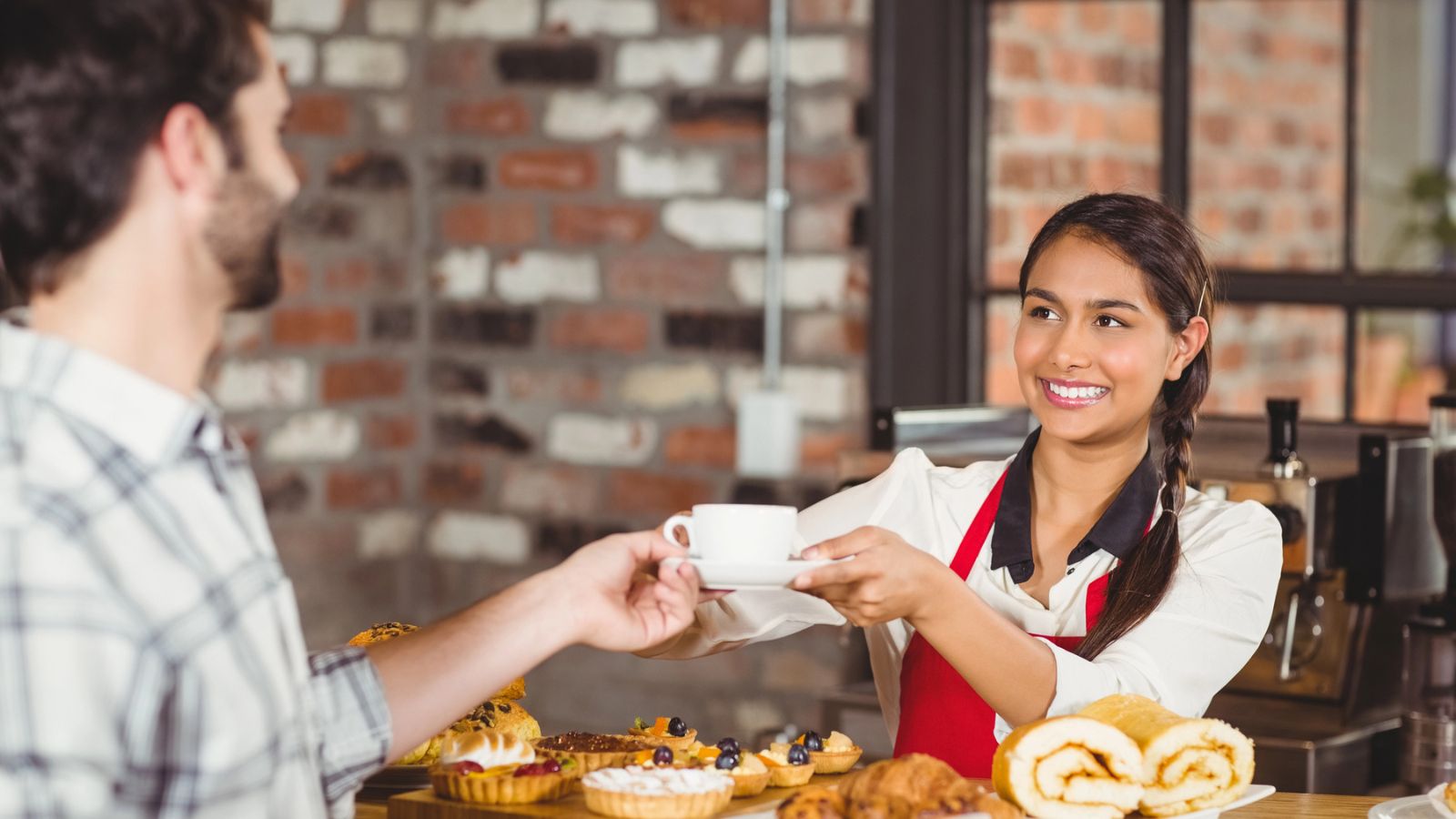
Fast-food counters used to be staffed by teenagers in paper hats who took your order, repeated it back and called out your number. At sit-down restaurants, the server wrote everything on a little notepad and remembered how you liked your eggs. That human back-and-forth made even a quick meal feel friendly.
Now, touchscreen kiosks and in-app ordering have replaced a lot of that conversation. Interestingly, some chains have noticed customers want the personal touch back, and a few, including McDonald’s, are retraining workers to put more focus on greetings and friendly service. For many older diners, a smile across the counter beats tapping a screen every time.
3. Tipping Without a Screen Staring at You
Back in the day, tipping was simple. You looked at the check, left some cash on the table or wrote a number on the slip, and that was it. You tipped your server at a sit-down restaurant, and almost nobody expected a tip for handing you a muffin at a counter.
These days, tablets flip around at coffee shops, bakeries and takeout counters with suggested tip buttons. A Pew Research Center survey found that about 72% of Americans say tipping is expected in more places than it was five years earlier. More people opposed businesses suggesting tip amounts on screens than supported it, which tells you how many diners feel put on the spot.
4. Dinner Tables Without Phones
When boomers were growing up, dinner out was a chance to talk. Families caught up on the week, couples lingered over coffee, and friends told stories until the server started stacking chairs. The only screens in sight were the TVs over the bar during a big game.
Today, it’s common to see a whole table of people looking down at their phones. Research suggests that habit has a cost. A study from the University of British Columbia, covered by ScienceDaily, found that diners who kept their phones on the table reported enjoying their meal with friends and family a bit less than those who put their phones away. It’s a finding many grandparents could have predicted.
5. Calling the Pizza Place Yourself
Ordering a pizza used to mean picking up the phone, maybe with the number stuck on the fridge with a magnet. You’d talk to someone at the restaurant, they’d tell you it would be about 30 minutes, and a driver showed up with a hot box and a friendly hello. It felt local, even when it was a big chain.
Now, much of that happens through apps, many of which add service and delivery charges. Plenty of people still prefer to call the restaurant directly, partly to support the business and partly because it just feels more personal. Hearing a real voice say “We’ll have it right out” is one of those small pleasures that got lost along the way.
6. Paying With Cash and Walking Out
For decades, cash was king at most diners and family restaurants. You left a few bills on the table, said goodbye to the waitress and headed home. Some small spots didn’t even take cards at all, and nobody thought twice about it.
Today, some restaurants and cafes have gone completely cashless, which frustrates diners who like paying the old-fashioned way. The pushback has been strong enough that a number of cities and states passed laws requiring many businesses to accept cash. For many boomers, it’s about simplicity and not having to hand over a card for a cup of coffee.
7. Walking In and Getting a Table
There was a time when you could stroll into almost any restaurant on a Friday night, give your name to the host and wait at the bar for a table. If a place was really popular, you called ahead and talked to someone who wrote your name in a big reservation book. It felt personal, and regulars often got a little extra attention.
Now many restaurants use online reservation systems and waitlist apps, and some popular spots book up weeks ahead. Others text you when your table is ready instead of calling your name across the lobby. It’s efficient, but many older diners miss the days when a friendly host simply said, “Right this way.”
8. Clipping Coupons From the Newspaper
Sunday papers used to be packed with restaurant coupons. Families would clip a two-for-one burger deal or a free kids’ meal offer and stick it on the fridge until the next night out. Handing a paper coupon to the cashier felt like a small victory.
These days, many of the best restaurant deals live inside apps and loyalty programs, and some are available only to people who sign up online. For anyone who doesn’t want yet another app on their phone, it can feel like being left out. The paper coupon is one of those little rituals that faded without much notice.
The Human Side of a Night Out
Technology has made some parts of eating out faster and easier, and plenty of boomers appreciate that. But for many, the best part of going out to eat was never just the food. It was the waitress who knew your order, the host who saved your favorite booth and the conversation that kept going long after dessert.
What do you miss most about eating out the old way? Share your favorite restaurant memory in the comments, and tell us which modern change bothers you most.