8 Grocery Prices From 1975 That Will Make You Do a Double Take
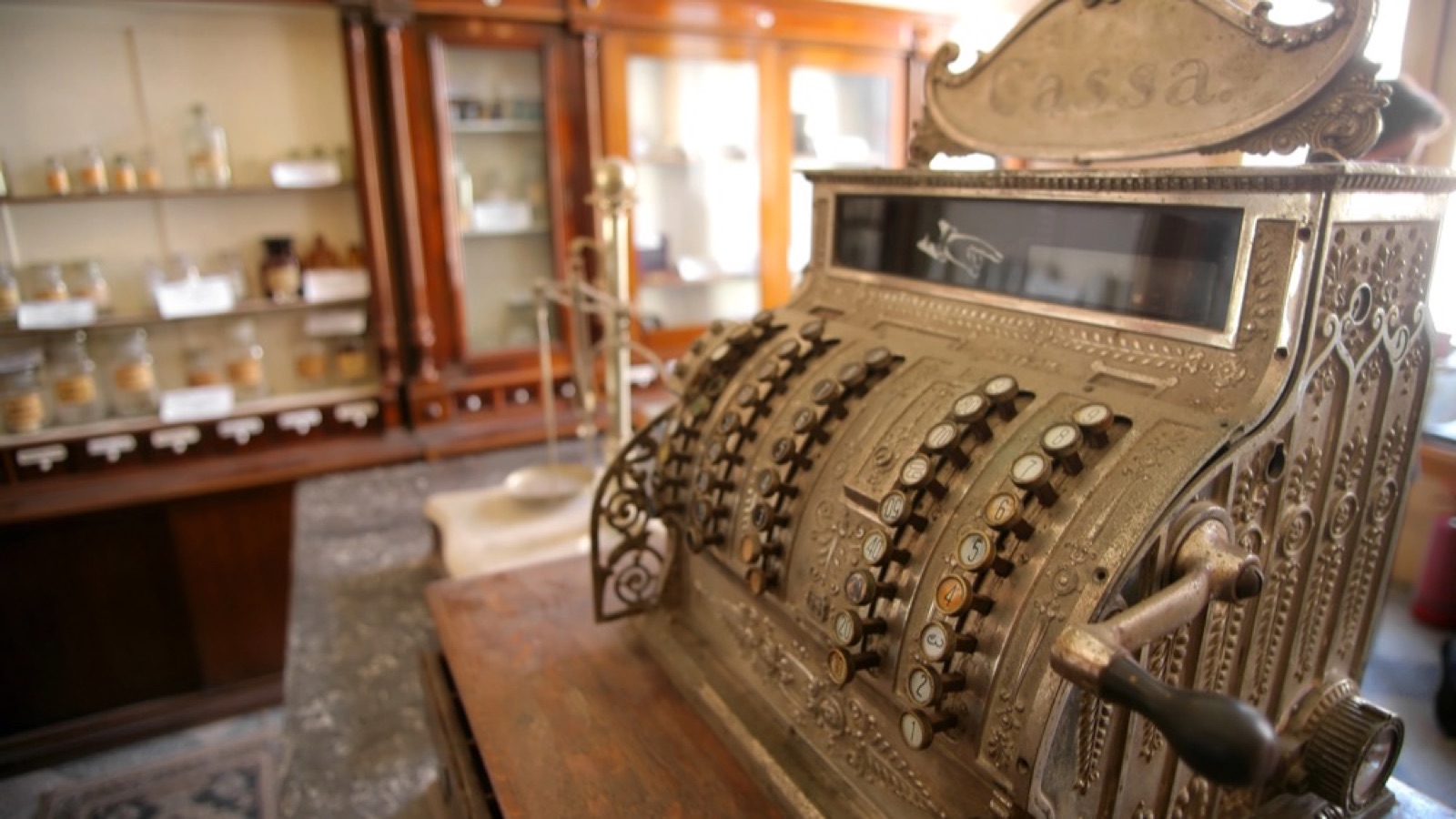
In 1975, a trip to the supermarket looked a lot different. Shoppers clipped coupons from the Sunday paper, paid with cash or a check and watched a cashier punch prices into a register by hand. Bell-bottoms were in, disco was on the radio and a big family could fill a cart for an amount that sounds almost made up today.
Of course, people back then didn’t think groceries were cheap. Food prices had jumped in the early 1970s, and many families felt squeezed every single week. Still, when you look at the actual numbers on the price tags, it’s hard not to stop and stare.
The prices below come from government data reported by news outlets and food historians, so these aren’t guesses or fuzzy memories. Here are 8 grocery prices from 1975 that will make you do a double take, along with the stories behind them.
1. White Bread for 36 Cents a Pound
In 1975, a pound of white bread averaged about 36 cents, according to a Business Insider analysis of government price data. That was a big jump from only five years earlier. History.com notes that the same pound of bread averaged 24 cents in 1970, a 50 percent increase in just half a decade.
What drove that rise? History.com points to the 1972 grain deal between the U.S. and the Soviet Union, often called “The Great Grain Robbery,” which helped push wheat prices up around the world. For families who went through two or three loaves a week, those extra pennies added up fast. A standard 20-ounce loaf of Wonder bread would have cost about 45 cents at that price, as The Daily Meal points out.
2. Milk for About 79 Cents a Half Gallon
Milk was a must in almost every 1970s refrigerator. In 1975, the average retail price was 78.5 cents for a half gallon, which works out to about $1.57 a gallon. Those numbers come from USDA records cited by Mental Floss in its look back at holiday food costs.
Many families still had milk delivered to the door in glass bottles, though the milkman was slowly disappearing. In households with several kids, a gallon might not make it to the weekend. Moms who were watching the grocery bill sometimes mixed in powdered milk to stretch it, a trick plenty of grown-up kids still remember, and not always fondly.
3. Turkey for 77 Cents a Pound
If you hosted Thanksgiving in 1975, the bird was one of the biggest costs on the table. The average retail price of turkey that year was 77.4 cents per pound, according to government figures reprinted by the USDA and highlighted by Mental Floss. A 16-pound turkey would have cost about $12.38.
That actually made turkey cheaper than it had been just two years earlier, when the average hit 89.6 cents a pound. For comparison, the American Farm Bureau’s 2025 holiday survey put a 16-pound frozen turkey at about $1.34 per pound. Turkey has stayed a fairly good deal over the decades, which surprises a lot of people.
4. Round Steak for $1.89 a Pound
Steak was a treat in most 1970s homes, and the prices show why. A pound of round steak cost about $1.89 in 1975, according to the Business Insider breakdown. That was a big sum for a family when hourly wages for many workers were under $5.
Meat prices had been a hot topic for years. In 1973, rising beef costs led to well-known shopper boycotts in parts of the country, and many families leaned more on chicken, ground beef and casseroles. Round steak often showed up as Swiss steak, slow-cooked with tomatoes and onions until it was tender enough for the kids to eat. Business Insider’s data shows that round steak averaged about $9.06 a pound in 2026.
5. Potatoes for 13 Cents a Pound
Potatoes were the cheapest filler on many dinner tables. In 1975, they averaged about 13.4 cents per pound, according to Business Insider. That meant a 10-pound bag could feed a family for days without making much of a dent in the weekly budget.
No wonder potatoes appeared at nearly every 1970s supper. They were mashed for meatloaf night, fried with onions for breakfast and scalloped for church potlucks. Instant mashed potato flakes were also popular, but many moms still peeled real potatoes by the sinkful.
6. Rice for 47 Cents a Pound
Rice was another kitchen workhorse in 1975, averaging about 47 cents per pound, according to the same Business Insider data. It was used to stretch meals in all kinds of ways, from Spanish rice to chicken and rice casseroles to rice pudding for dessert.
What’s surprising is how little the price has climbed by comparison. Business Insider reported that rice averaged about $1.07 per pound in 2026, which is less than many people would guess. Families who grew up with a big bag of rice in the pantry often still keep one on hand today.
7. Apples for 34 Cents a Pound
Apples were the go-to lunchbox fruit of the 1970s, and they averaged about 34 cents per pound in 1975, according to Business Insider. Red Delicious apples ruled the produce aisle, with their deep red color and tall shape, even if many people now remember them as a bit mealy.
Apples also did plenty of work in home kitchens. They went into pies, crisps, homemade applesauce and the fall baking that filled houses with the smell of cinnamon. Many families bought them by the bushel at orchards or roadside stands during apple season.
8. Bananas for 23 Cents a Pound
Bananas came in at about 23.2 cents per pound in 1975, according to Business Insider’s figures. They were one of the easiest fruits to toss in a cart, and they rarely went to waste. Overripe bananas turned into banana bread, banana pudding or a quick snack sliced over cereal.
The banana has stayed one of the most budget-friendly fruits in the store for decades. Many people who grew up in the 1970s still associate the smell of banana bread with weekend mornings at home. If you ever found a loaf cooling on the counter after school, you probably remember it well.
Why These Prices Still Stick With Us
Looking at 1975 grocery prices is a fun reminder of how much daily life has changed. It’s also a little misleading, because wages were much lower then, and many families felt every penny of those price jumps. Business Insider’s data shows that some items, like bread and rice, actually cost less today than their 1975 price would be once inflation is counted.
If you grew up in that decade, these numbers probably bring back memories of the station wagon, the paper bags and the green stamps, along with all those ’70s kitchen foods that filled the cart. And there are plenty of other things only ’70s kids will understand. Which 1975 price surprised you the most? Share what you remember paying in the comments.