People Who Still Write Checks Often Have These 7 Traits
Pull out a checkbook in a checkout line today and you might get a few curious looks. Yet plenty of people still write checks for rent, birthday gifts, contractors and the occasional bill, and they tend to share some recognizable habits.
Checks have become much less common. According to the Federal Reserve Payments Study, check payments fell to about 11.2 billion in 2021, dropping roughly 7 percent a year since 2018. So what do the people who keep writing them have in common? Here are seven traits they often share.
1. They Like Having a Paper Trail
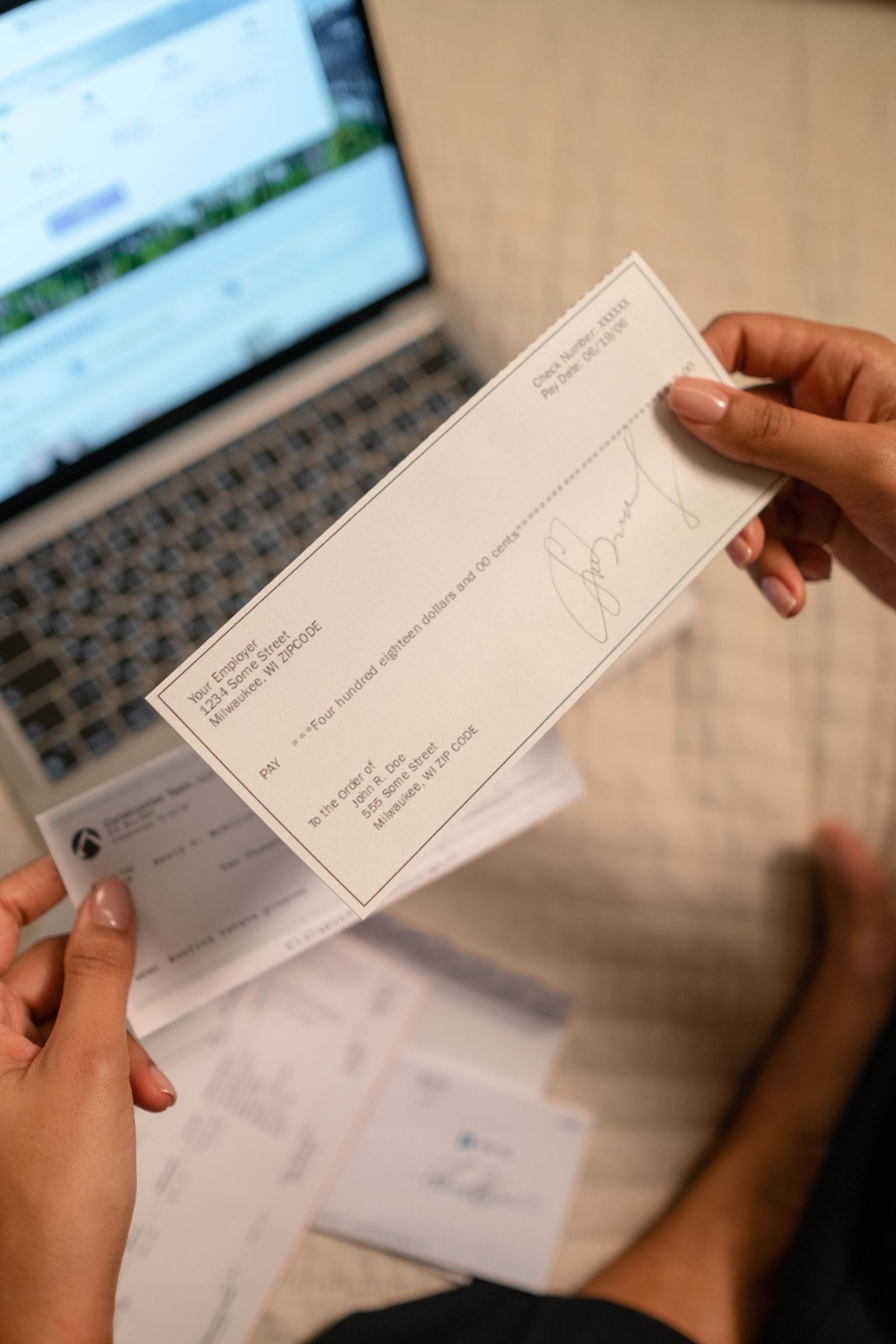
Many check writers enjoy knowing exactly where their money went. The check register, the carbon copy and the memo line all create a record they can flip back through without logging in to anything.
This kind of person often keeps receipts in a folder and files important papers by year. It is the same organized streak you might spot in the things you might find in a boomer’s well-used wallet, where every card and slip of paper has a purpose.
2. They Tend to Be Mindful Spenders
Writing out a dollar amount by hand, in both numbers and words, can make a purchase feel more real. Researchers have long studied what they call the “pain of paying,” the idea that some payment methods make spending feel more noticeable than others.
As a Psychology Today overview of that research explains, people may spend more when payments feel less tangible, as with cards. Check writers often say the slower process helps them stay aware of every dollar, a habit that fits with many boomer money habits younger generations mock but should copy.
3. They Value Routine and Tradition
For a lot of people, writing checks is simply how things have always been done. Sitting down at the kitchen table once a month with the bills, a pen and a book of stamps is a familiar ritual that brings a sense of order.
People who enjoy this routine often appreciate other long-standing habits too. It is not that they dislike change, but they see little reason to replace something that still works, much like the attitudes in these hardest truths to accept in life, according to baby boomers.
4. They Are Careful With New Technology
Check writers are not necessarily anti-tech. Many own smartphones and use email every day. But they often like to understand a new system fully before trusting it with their money.
That caution can look old-fashioned, but it usually comes from a thoughtful place. These are the folks who read the fine print, ask questions and wait to see how a new app works for others first. Many of them also remember the days of the nostalgic items everyone had 30 years ago, when a checkbook was in nearly every purse.
5. They Are Patient Planners
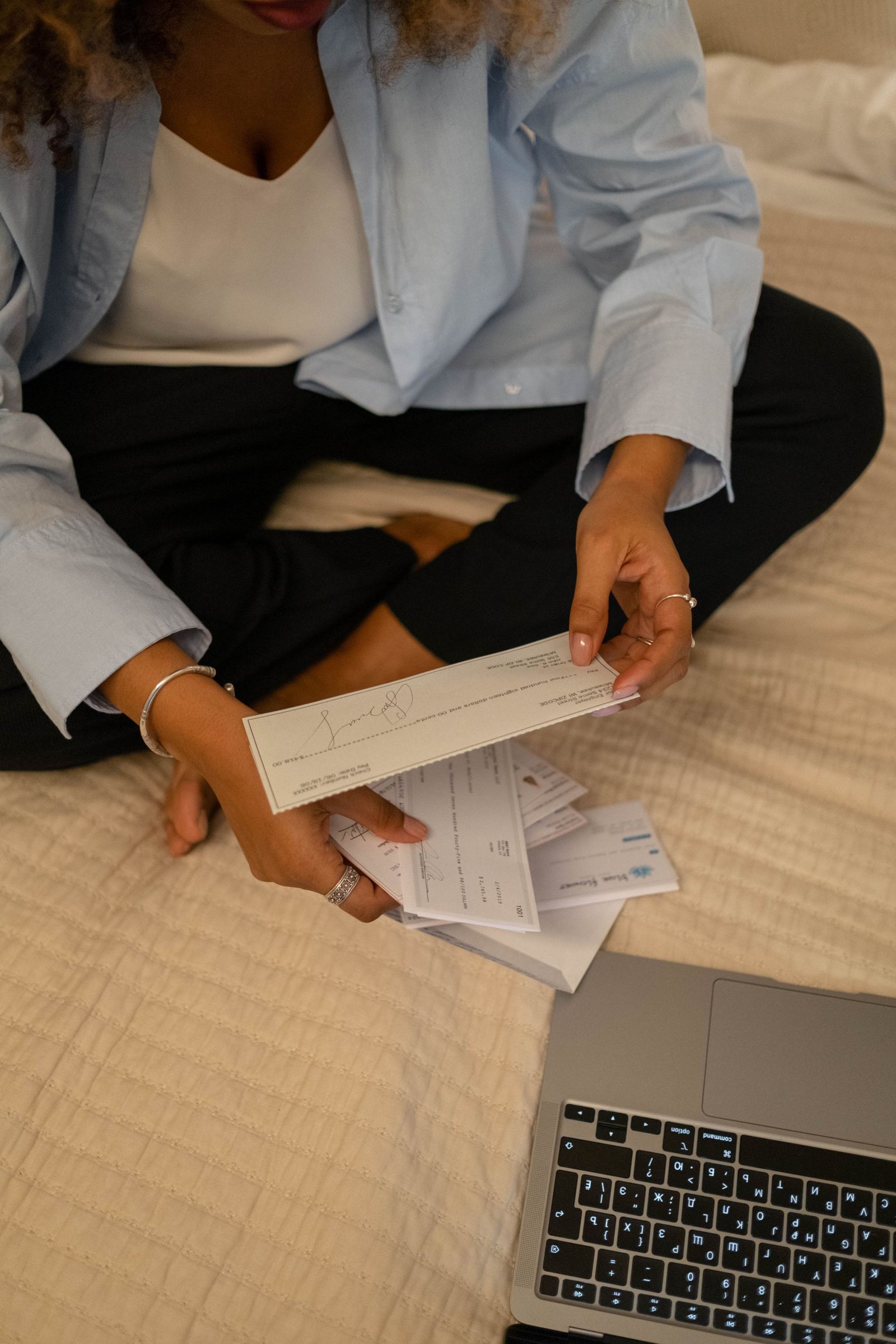
A check takes time to arrive, time to deposit and time to clear. People who still use them tend to plan ahead, mailing payments early and keeping a running balance so nothing comes as a surprise.
That long view often shows up elsewhere in life too, including how they think about the future, which is why so many relate to the things nobody tells you about early retirement. They would rather prepare than scramble.
6. They Love a Personal Touch
For many people, a check tucked inside a birthday or graduation card feels more meaningful than a digital transfer. There is a handwritten signature, a note on the memo line and a card that can be kept long after the money is spent.
Grandparents in particular often see a check as part of the gift itself. It shows they took the time to sit down, write it out and mail it, and that effort is part of what they want to share.
7. They Stay Practical About Who They Pay
Many check writers keep a checkbook because certain people in their lives still prefer it. According to a Stacker report, landlords, contractors and real estate agents are among the payees who still commonly accept checks. The same report found that older adults are more likely to write a few checks each month than younger ones.
That practicality is a big part of the habit. Check writers often keep a balance of old and new, using whatever works best for each situation instead of following trends.
A Habit With Staying Power
Checks may never be as common as they once were, but the people who still write them often bring a steady, organized and thoughtful approach to money and relationships. Whether you keep a checkbook in the drawer or have not seen one in years, there is something to admire in that careful, personal way of doing things.