The Old School Burger Chain That Couldn’t Survive the ’80s
You could recognize a Red Barn restaurant before you even read its name. Its barn-shaped building, bright red exterior, and familiar fast-food menu set it apart from most burger joints. At its peak, the chain had an estimated 300 to 400 restaurants across 19 states, with additional locations in Canada and Australia.
Today, however, Red Barn is mostly a memory for people who grew up enjoying its burgers and chicken dinners.
The chain’s decline became especially clear in January 1986, when Red Barn Restaurant Inc., which operated 22 restaurants, filed for Chapter 11 bankruptcy protection. Within a few more years, the once-familiar brand had largely disappeared from the fast-food landscape.
But Red Barn’s story wasn’t simply about a restaurant chain closing its doors overnight. It was a gradual decline involving financial difficulties, intense competition, corporate changes, and restaurant closures.
It Started With a Restaurant That Looked Like a Barn
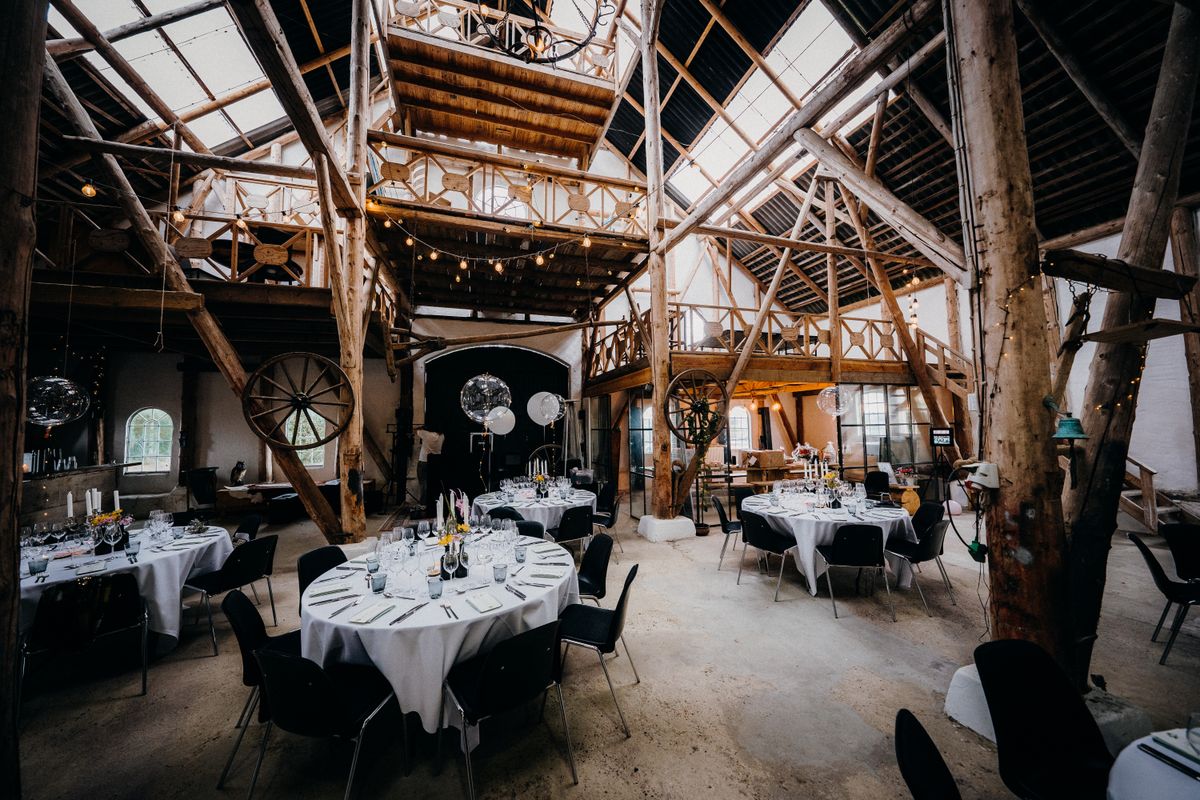
Red Barn began in Ohio in 1961. According to the Hagen History Center, Don Six, Martin Levin, and Jim Kirst founded it, and Springfield was its founding location.
From the beginning, the restaurant had an unusual appearance. Instead of looking like an ordinary fast-food establishment, its buildings featured barn-shaped roofs, glass fronts, and bright red exteriors.
The design made the restaurants easy to recognize. Customers could often identify a Red Barn simply by looking at the building.
Inside, the experience was relatively straightforward. Customers ordered their meals at the counter, and seating was limited. Many people took their food home.
That simple setup helped give Red Barn a recognizable identity during a period when fast-food restaurants were becoming increasingly popular.
The Big Barney Became a Memorable Menu Item
Red Barn wasn’t just remembered for its unusual buildings. Its burgers also helped establish its identity.
One of its best-known offerings was the Big Barney, which featured two hamburger patties and special sauce.
The Hagen History Center describes the sandwich as similar to McDonald’s Big Mac, noting that it appeared several years earlier.
Another popular offering was the Barnbuster, a substantial burger that occupied similar territory to the Quarter Pounder and Whopper.
The names suited the restaurant’s theme. Ordering a Big Barney at a restaurant shaped like a barn was part of the experience.
For customers who grew up visiting Red Barn, these menu items became an important part of their memories.
There Was More Than Just Burgers on the Menu
Although Red Barn was known for hamburgers, it also offered fried chicken. That gave customers another option when they wanted something different from a traditional burger meal.
A 1960s advertisement reproduced by the Hagen History Center promoted a three-piece chicken dinner with fries, coleslaw, and a roll for just 99 cents.
Of course, that was a historical advertised price, not what customers paid throughout the chain’s existence.
Some Red Barn restaurants also featured self-service salad bars. The chain was among the early participants in that trend, although the historical center cautions against claiming it was the first restaurant chain to introduce one.
The broader menu helped Red Barn appeal to people looking for different types of quick meals.
The Chain Eventually Had Hundreds of Restaurants
Red Barn expanded well beyond its original Ohio location.
According to the Hagen History Center, the chain eventually reached approximately 300 to 400 restaurants across 19 states. It also had locations in Canada and Australia.
Its presence was particularly noticeable in some communities. Erie, Pennsylvania, for example, once had four Red Barn restaurants, including locations on East Lake Road and Peach Street.
The company also developed recognizable cartoon characters for its advertising.
Hamburger Hungry, Chicken Hungry, and Big Fish Hungry helped promote the different menu offerings. Its memorable slogan was, “When the hungries hit, hit the Red Barn.”
For customers, the combination of distinctive buildings, familiar menu items, cartoon mascots, and memorable advertising made Red Barn more than just another place to grab a quick meal.
However, being recognizable would not necessarily protect the company from the challenges ahead.
Competition Started Creating Serious Problems
As the fast-food industry expanded, Red Barn faced growing pressure from better-funded competitors.
McDonald’s, Burger King, and Wendy’s were among the major brands competing for customers.
The Hagen History Center identifies these national competitors’ financial advantages as one factor behind Red Barn’s difficulties. The chain also went through corporate buyouts and restructuring during the 1970s.
These developments created a challenging business environment.
A restaurant brand could have recognizable buildings and popular menu items, but it still needed the financial resources and business stability to compete.
By the mid-1980s, Red Barn was facing more immediate financial problems.
Available historical evidence points to several pressures, not a single mistake, that caused its decline.
Bankruptcy Protection Became Public in 1986
On January 29, 1986, United Press International reported that Red Barn Restaurant Inc. had requested Chapter 11 bankruptcy protection.
The Rochester-based company operated 22 restaurants in New York, Ohio, and Washington, D.C. It employed approximately 500 people.
The report offered an important look at the company’s financial difficulties.
Red Barn president Phillip Kahn told UPI that sales were down 20 percent. He also described the restaurant industry as being saturated with competition.
That was a significant warning for a chain that had once operated hundreds of locations.
Kahn also pointed to difficult economic conditions in certain communities, including Elmira, New York, and Hubbard, Ohio, near Youngstown.
Seasonal business conditions created additional pressure. Restaurants in Elmira and Saratoga Springs had temporarily closed until spring because of weak winter sales. Other locations continued operating.
The bankruptcy filing was an attempt to reorganize the business. It did not mean that every Red Barn restaurant immediately closed. Nevertheless, the report showed how far the company had fallen from its earlier expansion.
The Restaurants Gradually Disappeared
Red Barn’s decline continued into the late 1980s. A later Kiplinger’s retrospective describes restaurants closing as their leases expired around 1988, under the chain’s final investment-group ownership.
This suggests the brand largely faded during that period, although it would be inaccurate to say every restaurant closed on the same date.
Some former Red Barn locations continued operating independently under another name. One example was The Farm, which preserved elements of the original restaurant’s menu and barn-style setting.
A successor restaurant in Racine, Wisconsin, eventually closed in 2020. Other former Red Barn buildings remained standing and found different uses.
This means that although the original chain largely disappeared, some physical reminders of its existence survived.
Why People Still Remember Red Barn
Red Barn’s story reminds us that a familiar brand can disappear even when customers remember its products and appearance.
Its restaurants had a distinctive design, its burgers had memorable names, and its advertising gave customers something recognizable.
For people who visited during its busiest years, the experience was about more than buying a hamburger. It was about stopping at a restaurant that looked different from everything else around it.
The chain’s eventual decline involved financial difficulties, competition, corporate restructuring, and the gradual closure of restaurants.
No single nationwide shutdown brought the entire story to an immediate end.
Today, Red Barn remains an interesting piece of American fast-food history. Its Big Barney, Barnbuster, cartoon characters, and unmistakable red buildings are reminders of a chain that once had hundreds of locations.
And while the restaurants may no longer be a familiar sight, the memories of those old-fashioned burger stops have lasted considerably longer than the business itself.v