9 Thanksgiving Foods the Pilgrims Probably Never Ate
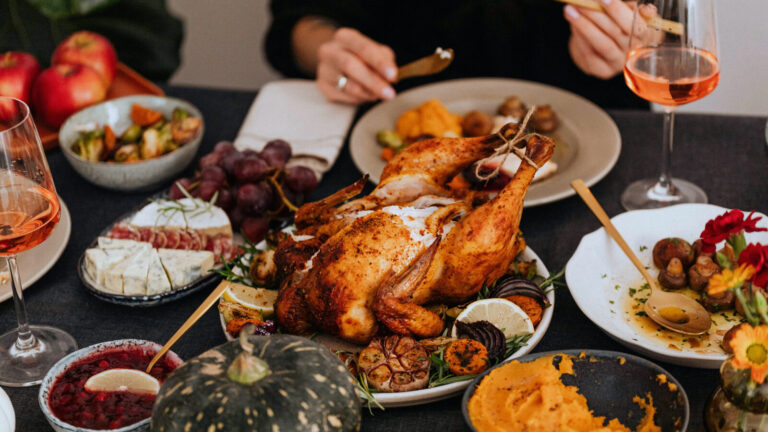
When most Americans picture the first Thanksgiving, they imagine a table that looks a lot like their own. There’s a roast turkey in the middle, a bowl of mashed potatoes, cranberry sauce, stuffing and a pumpkin pie waiting for dessert. It’s a lovely image, but historians say it’s mostly wrong.
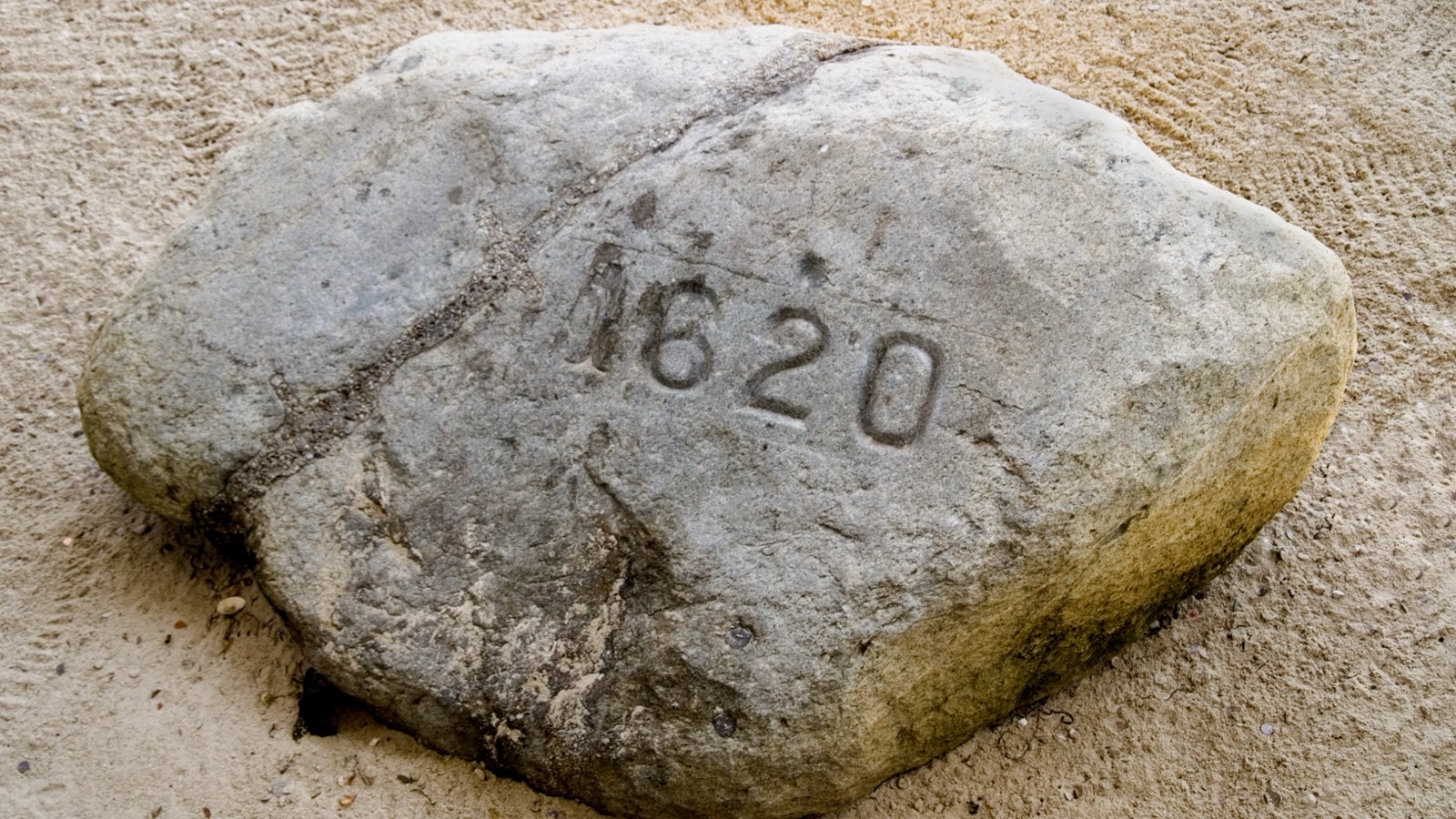
The 1621 harvest celebration shared by the English colonists at Plymouth and the Wampanoag people looked very different. Only a couple of short written accounts survive, and they mention very few foods by name. Many of the dishes we now consider essential either didn’t exist yet, weren’t available in New England or simply weren’t part of the English diet of the time.
That doesn’t make modern Thanksgiving any less special. But it does make for some fun history. Here are nine Thanksgiving foods the Pilgrims probably never ate at that first feast.
What We Actually Know About 1621
The best-known account of the 1621 gathering comes from a letter by colonist Edward Winslow. He wrote that the governor sent four men “fowling,” and that about 90 Wampanoag men joined the celebration, which lasted three days. The Wampanoag brought five deer. According to the history of the holiday, that letter is one of only two firsthand descriptions of the event.
“Fowl” could have meant wild turkey, but it could also have meant ducks or geese. Venison was clearly on the menu. Beyond that, historians rely on what foods were common in the region at the time, which helps explain why so many modern favorites probably weren’t there.
1. Mashed Potatoes
Mashed potatoes are a must on most Thanksgiving tables today, but they almost certainly weren’t at the first one. White potatoes originated in South America and had made their way to Europe by the late 1500s, but they weren’t yet common in New England in 1621.
Many English people of the time were also suspicious of potatoes. It would be many years before they became an everyday food in the colonies. The settlers were more likely to eat native foods like squash, beans and corn, which the Wampanoag had grown for generations.
2. Sweet Potato Casserole
Sweet potatoes weren’t part of the 1621 feast either. They grew in warmer climates, such as the Caribbean and parts of South America, and weren’t grown in New England at the time. They became popular in the American South much later.
The famous casserole topped with marshmallows came along even later. Marshmallows as we know them weren’t mass-produced until the 20th century, and the sweet potato and marshmallow combination was promoted in the early 1900s. That makes it a very modern addition to the holiday.
3. Pumpkin Pie
Pumpkins and other squash were almost certainly around in 1621, since they were a major crop for the Wampanoag. But pumpkin pie as we know it is unlikely. The colonists didn’t have ovens suitable for baking pies, and supplies like butter and wheat flour were scarce.
Historians say the settlers may have cooked pumpkin in other ways, such as stewing or roasting it. Some early recipes describe hollowing out a pumpkin, filling it with milk, honey and spices and roasting it in the ashes. It’s a cousin of pumpkin pie, but not the dessert we serve today.
4. Cranberry Sauce
Cranberries grew wild in New England, and the Wampanoag used them, so they might have been on hand. But sweet cranberry sauce is another story. Sugar was expensive and in short supply in the early colony, and the familiar sweet sauce relies on lots of it.
It would be decades before anyone wrote down a recipe for cranberries cooked with sugar to go with meat. Canned cranberry sauce didn’t appear until the early 20th century. So while the berries may have been around, the jiggly can-shaped slice certainly wasn’t.
5. Bread Stuffing
Stuffing made from bread cubes is a cornerstone of today’s Thanksgiving. At the first feast, though, wheat bread was likely scarce, since the colonists had struggled to grow European wheat in their new home. Their main grain was corn, which they learned to grow from the Wampanoag.
The English did stuff birds with herbs, onions and other ingredients, so some kind of stuffing isn’t impossible. But the buttery bread stuffing most families make today wasn’t part of the picture. Corn-based dishes were much more likely.
6. Green Bean Casserole
This one is easy. Green bean casserole was created in 1955 by Dorcas Reilly, a home economist working in the Campbell Soup Company’s test kitchen. The recipe used canned green beans, cream of mushroom soup and crispy fried onions, and it quickly became a holiday classic.
It’s become so tied to Thanksgiving that it’s hard to imagine the holiday without it. But it’s only about 70 years old, which makes it a newcomer compared with the 400-year-old history of the first harvest feast. It’s now one of the most familiar classic side dishes in America.
7. Dinner Rolls
Soft, fluffy dinner rolls were very unlikely in 1621. As with stuffing, wheat flour was in short supply, and the colonists didn’t have the kind of ovens needed to bake light, yeasted rolls for a crowd. Any bread they did have was probably coarse and made from corn.
Corn bread and corn porridge were likely more common. The Wampanoag had many ways of preparing corn, and the colonists learned to use it in place of the wheat they were used to back in England.
8. Apple Pie
Apple pie is often called the most American dessert of all, but apples weren’t native to North America. Only small wild crabapples grew in New England. The sweet apples we know today were brought over by European settlers and planted in orchards over the following decades.
By the time apple trees were producing fruit in the colonies, the first Thanksgiving was long past. So while apple pie became a holiday favorite in later generations, it wasn’t on the table in 1621.
9. Corn on the Cob, as We Know It
Corn was almost certainly part of the first Thanksgiving, but not in the form most people picture. The corn grown by the Wampanoag was a hard flint corn, often dried and ground into meal or cooked into porridge. It wasn’t the sweet, juicy corn on the cob we eat today.
Sweet corn varieties became popular much later. The colonists and Wampanoag likely ate corn as a kind of mush or bread rather than biting it straight off the cob with butter and salt.
What Was Probably on the Table
Historians believe the 1621 feast likely included venison, wild fowl, fish and shellfish, corn dishes, beans and squash, along with nuts, berries and other foods from the land. It was a harvest celebration built around what the region offered in the fall.
Thanksgiving didn’t become a national holiday until 1863, when President Abraham Lincoln proclaimed it. Over the following century, the menu grew into the turkey-and-pie feast we know today, along with plenty of strange traditions along the way.
Were you surprised by any of the foods on this list? And which modern Thanksgiving dish could you never give up, no matter what the Pilgrims ate?