9 Ways Grandma Used Up Stale Bread
In Grandma’s kitchen, nothing went to waste, and that included bread. A loaf that had gone a little dry or hard was never tossed in the trash. Instead, it became the start of something new. Grandma knew dozens of ways to turn yesterday’s bread into today’s dinner or dessert.
That thrifty habit came from hard experience. Many grandmothers grew up during the Great Depression or World War II, when food was scarce and every crumb counted. Even after times got better, they kept the habit of using up everything. Stale bread wasn’t a problem to them. It was an ingredient.
Many of Grandma’s stale bread recipes are still family favorites today, and some of them actually taste better with day-old bread. Here are nine ways Grandma used up stale bread, and why they’re worth trying in your own kitchen.
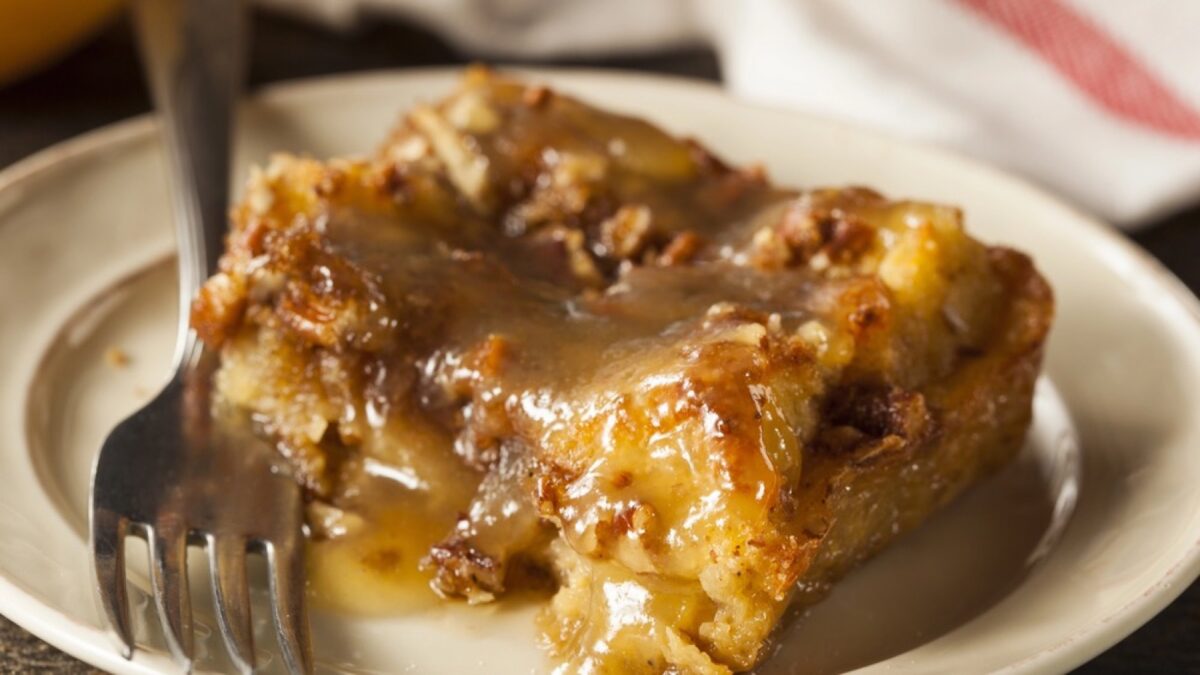
1. Bread Pudding
Bread pudding was one of Grandma’s favorite ways to use up stale bread. She tore the bread into chunks, soaked it in a mixture of milk, eggs, sugar, vanilla and cinnamon, then baked it until it was golden on top and soft and custardy inside. Raisins were often added for extra sweetness.
Stale bread works best for bread pudding because it soaks up the custard without falling apart. Many families served it warm with a drizzle of vanilla sauce, caramel or a splash of cream. In New Orleans, bread pudding with whiskey sauce is a famous dessert. It’s a simple dish that turns leftovers into something special.
2. French Toast
French toast is another classic way to use stale bread. Slices of day-old bread were dipped in a mixture of eggs, milk and a little cinnamon, then fried in butter until golden brown. Grandma served it with syrup, powdered sugar or homemade jam.
Fresh bread can get soggy when dipped in egg, but slightly stale bread holds up beautifully. That’s why many cooks say French toast is better with bread that’s a day or two old. For many families, French toast was a Saturday morning treat that made everyone happy.
3. Homemade Breadcrumbs
Grandma rarely bought breadcrumbs at the store. Instead, she dried out stale bread in a low oven and crushed it with a rolling pin or grated it by hand. The crumbs were stored in a jar and used for coating chicken, topping casseroles and binding meatloaf.
Homemade breadcrumbs had more flavor than store-bought ones, and they cost nothing. Some grandmothers seasoned them with herbs, garlic or Parmesan cheese. It’s a simple habit that many cooks still use today to cut down on waste.
4. Croutons
Stale bread made perfect croutons. Grandma cut the bread into cubes, tossed them with melted butter or oil and seasonings, then baked them until crisp. They were sprinkled over salads and bowls of soup.
Homemade croutons are crunchier and more flavorful than the boxed kind. They’re also a great way to use up the ends of a loaf. Many families keep a container of homemade croutons on hand for quick lunches and dinners.
5. Stuffing
Stuffing, or dressing, is one of the most famous uses for stale bread. Grandma often saved bread for days or even weeks before Thanksgiving, letting it dry out so it would soak up broth and butter without turning mushy.
Many families still follow this tradition, setting out bread cubes a day or two before the holiday. Stale bread gives stuffing the best texture, with a soft interior and crispy edges. Stuffing is so beloved that it was recently named the favorite side in 38 states.
6. Meatloaf and Meatballs
Grandma often stretched a pound of ground beef further by adding stale bread to meatloaf and meatballs. She soaked the bread in milk, squeezed it out and mixed it into the meat. This helped bind the mixture and kept it moist and tender.
This trick, sometimes called a panade, is still used by cooks today. It makes meatloaf and meatballs juicier and helps the meat go further, which was especially important when money was tight. Many families say Grandma’s meatballs were the best they ever had, and stale bread may have been part of the secret.
7. Bread Soup
In many immigrant families, stale bread was used to thicken soups. Italian grandmothers made ribollita and pappa al pomodoro, hearty soups thickened with day-old bread. French onion soup was topped with a slice of toasted bread and melted cheese.
These soups were filling, inexpensive and full of flavor. They show how cooks around the world have long used stale bread as a key ingredient. Many American families adopted these recipes, which became comforting winter meals.
8. Strata and Breakfast Casseroles
Strata is a layered casserole made with stale bread, eggs, milk, cheese and often ham, sausage or vegetables. It’s assembled the night before, refrigerated and baked in the morning. Stale bread soaks up the egg mixture overnight, creating a fluffy, savory dish.
Strata became popular in the mid-20th century as an easy way to feed a crowd. It’s especially popular on holiday mornings, like Christmas or Easter, when families want a hearty breakfast without much work. Grandma’s version often used whatever leftovers she had on hand.
9. Feeding the Birds
Not every piece of stale bread ended up on the table. Some grandmothers saved the dry ends and crusts to scatter for the birds in the backyard. Watching the birds gather was a small joy, especially in the winter months.
Today, many wildlife experts recommend birdseed over bread, since bread doesn’t offer birds much nutrition. But for many people, the memory of tossing crumbs with Grandma is a sweet one. It was part of her habit of making sure nothing went to waste. These backyard bird tips are a good place to start for anyone who loves watching birds.
A Lesson in Thrift
Grandma’s habit of using up stale bread reflects a larger lesson about thrift and creativity in the kitchen. Many people who grew up during hard times learned to make the most of every ingredient. Those lessons stayed with them for life.
Today, food waste is a big issue. According to the USDA, food waste is estimated at 30 to 40 percent of the U.S. food supply. Grandma’s stale bread tricks are a simple way to cut down on waste and save money at the same time. Many of these habits came from Depression-era grandparents who learned to make do.
What did your grandmother do with stale bread? And do you have a favorite recipe that turns leftover bread into something delicious?