The One Thing Diners Do to Make Hash Browns So Crispy
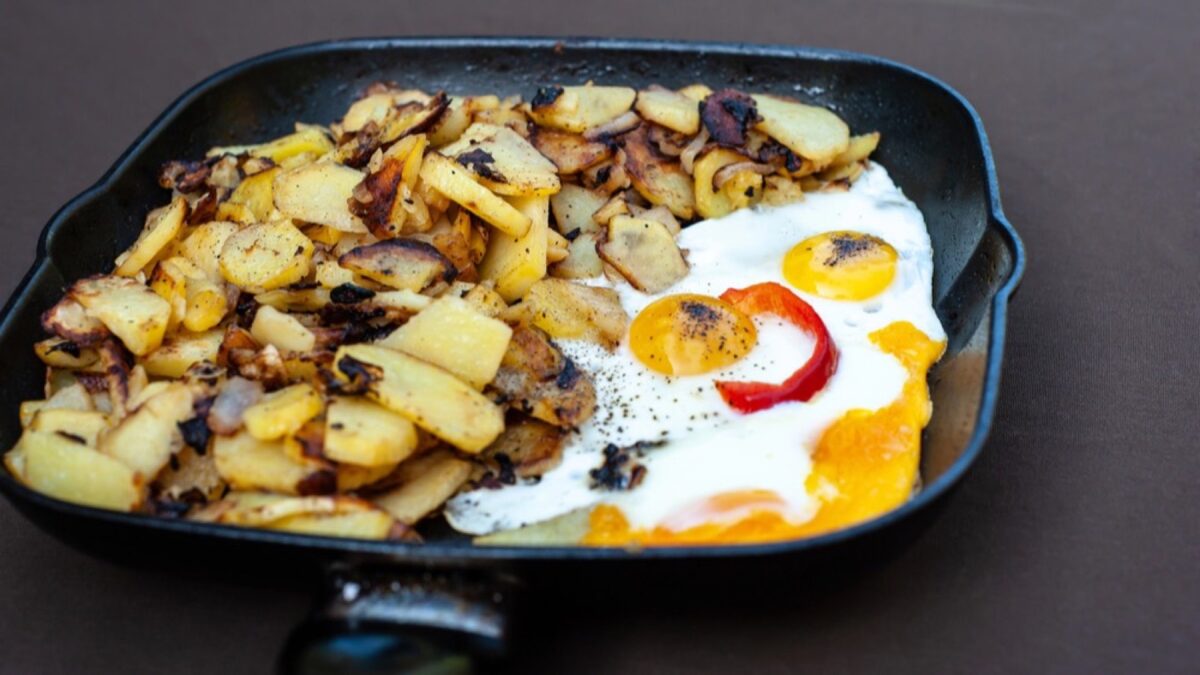
There’s something about diner hash browns that’s almost impossible to recreate at home. They arrive at the table in a golden, crispy layer, with a crunchy outside and a soft, tender inside. Whether they’re served plain, “scattered, smothered and covered” or tucked next to eggs and bacon, they’re one of the best parts of a classic American breakfast.
Many home cooks try to make hash browns at home and end up disappointed. Instead of crispy, they come out soggy, gray or mushy, sticking to the pan in a sad pile. It’s enough to make people give up and just order them at the diner instead.
The good news is that the biggest secret isn’t a special ingredient or fancy equipment. It’s one simple step that many home cooks skip. Diners know that the key to crispy hash browns is getting the water out of the potatoes. Here’s why it matters and how to do it at home.
Why Potatoes Get Soggy
Potatoes are full of water. In fact, raw potatoes are mostly water by weight. When you shred a potato, that water, along with starch, is released. If you put wet shredded potatoes straight into a hot pan, the water turns to steam.
Instead of frying, the potatoes end up steaming in their own moisture. That’s what leads to soggy, mushy hash browns. The steam also keeps the potatoes from browning properly, so they stay pale instead of turning golden. Getting rid of that extra water is the most important step.
The Secret: Squeeze Them Dry
The one thing that makes the biggest difference is squeezing the shredded potatoes dry before cooking. After shredding, many cooks place the potatoes in a clean kitchen towel or cheesecloth, gather up the corners and twist hard to wring out as much liquid as possible. You’ll be surprised how much water comes out.
Some cooks squeeze the potatoes in batches by hand, while others press them in a potato ricer. Whatever the method, the goal is to get the potatoes as dry as possible. Dry potatoes fry instead of steaming, which gives them that crispy, golden crust diners are famous for.
Rinse Off the Extra Starch
Many cooks also rinse the shredded potatoes in cold water before squeezing them. Rinsing washes away some of the surface starch, which can make hash browns gummy and cause them to stick together in a gluey mass.
After rinsing, it’s even more important to dry the potatoes thoroughly. Some cooks spread them on a towel and pat them dry, then squeeze them. The combination of rinsing and drying produces lighter, crispier hash browns with distinct shreds.
Use the Right Potato
The type of potato matters too. Most diners use russet potatoes, which are high in starch and low in moisture compared with waxy potatoes like red or Yukon Gold. Russets crisp up beautifully and have a fluffy texture inside.
Some cooks even use potatoes that have been parboiled or baked the day before, then chilled and shredded. Cooked potatoes have less free moisture and hold their shape well, which can help them brown evenly. Many diners use a similar approach for consistent results.
Get the Pan Hot
Diners cook hash browns on a large, flat griddle that stays very hot. At home, a cast-iron skillet or a heavy nonstick pan works best. Heat the pan well before adding the potatoes, and use enough fat to coat the bottom.
Many cooks use a combination of oil and butter. The oil has a higher smoke point, so it can handle the high heat, while the butter adds flavor and helps with browning. Some diners use clarified butter or a blend of fats for the best of both worlds.
Spread Them Thin and Leave Them Alone
Another diner secret is to spread the potatoes in a thin, even layer. A thick pile of potatoes will steam in the middle and stay soft. A thinner layer allows more of the potatoes to touch the hot surface and crisp up.
Then comes the hardest part: leaving them alone. Resist the urge to stir or flip the hash browns too early. Let them cook undisturbed for several minutes until the bottom is deep golden brown and crispy. Only then should you flip them, ideally in one large piece or a few sections, to brown the other side.
Season at the Right Time
Salt draws moisture out of potatoes, so when you season matters. Some cooks salt the potatoes right before they go into the pan, while others wait until the hash browns are almost done. Seasoning too early and letting the potatoes sit can make them release more water.
A little black pepper, onion powder or paprika can add flavor. Some people mix in finely chopped onions, though too many onions can add moisture. The classic diner hash brown is often just potatoes, fat, salt and pepper, cooked perfectly.
Shortcuts That Still Work
If you don’t want to shred potatoes from scratch, frozen shredded hash browns from the grocery store can be a good option. They’ve already been processed to reduce moisture. Just be sure to thaw and pat them dry before cooking, or cook them straight from frozen in a very hot pan.
Refrigerated shredded potatoes are another shortcut, and they work well when dried thoroughly. The same rules apply: dry them well, use a hot pan and don’t stir too much. With these tips, even store-bought potatoes can come out diner-style crispy.
Bring the Diner Home
Making crispy hash browns at home isn’t hard once you know the secret. Squeeze out the water, use a hot pan, spread them thin and leave them alone. Those simple steps can turn soggy potatoes into the golden, crispy hash browns you love at the diner.
Many people say homemade hash browns made this way taste even better than the ones they order out. Pair them with eggs, bacon and a cup of coffee, and you’ve got a classic diner breakfast at your own kitchen table. They’re among the diner classics Americans order again and again, and potatoes have a long, fascinating history in American breakfast. A good griddle can help too.
How do you like your hash browns, crispy or soft? And do you have a favorite diner that makes them just right?