Biscuits Rise Taller When You Do This to the Butter First
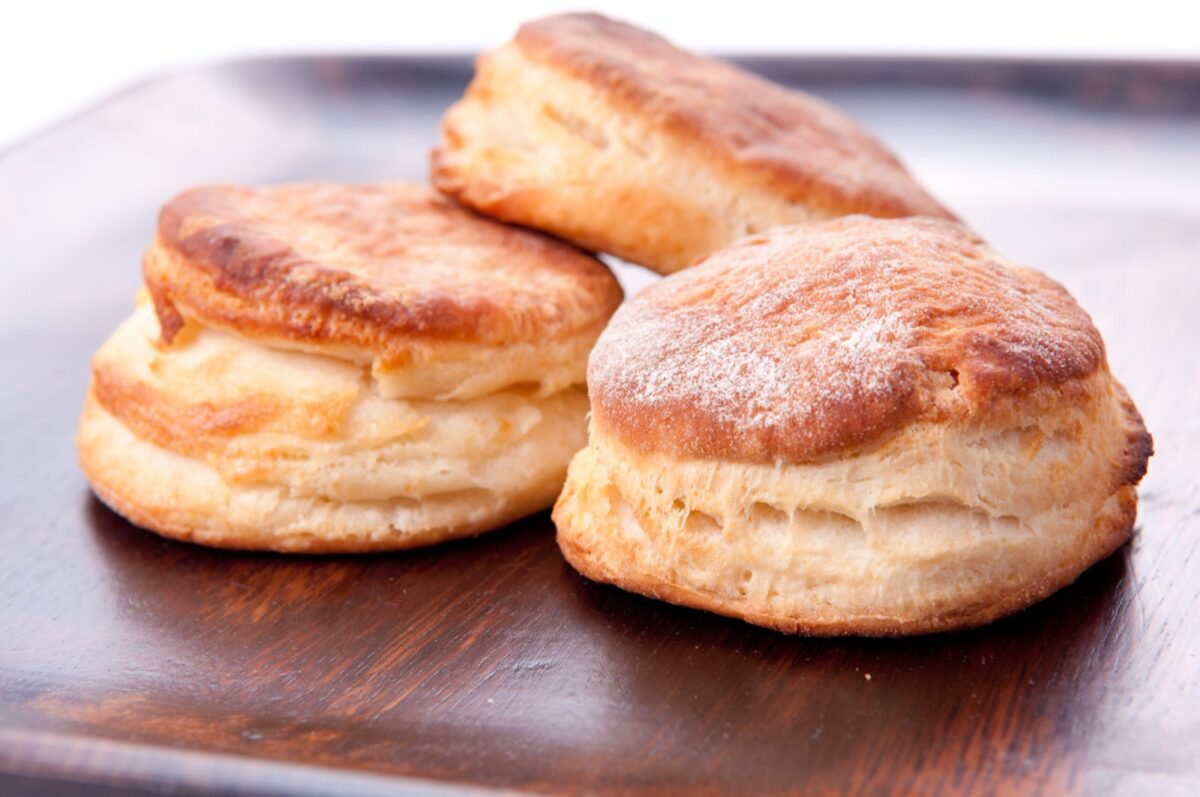
There’s nothing quite like a tall, flaky homemade biscuit. Split it open while it’s still warm, and steam rises from soft, tender layers that practically beg for a pat of butter and a spoonful of jam. In the South especially, a good biscuit is a point of pride, and many families have recipes passed down for generations.
But many home bakers struggle to get their biscuits to rise. Instead of tall and fluffy, they come out flat, dense or tough. They might taste fine, but they don’t have those beautiful, pull-apart layers that make a great biscuit so special.
The secret often comes down to the butter, and one simple step that many experienced bakers swear by. Before the butter ever touches the flour, they freeze it and grate it. Here’s why it works, how to do it and a few other tips for baking the tallest, flakiest biscuits of your life.
Why Cold Butter Matters
The key to flaky biscuits is cold fat. When small pieces of cold butter are scattered throughout the dough, they stay solid until the biscuits hit the hot oven. Then the butter melts quickly, and the water inside it turns to steam. That steam pushes the dough upward and creates pockets, which become flaky layers.
If the butter is too warm when it’s mixed in, it blends into the flour and the steam effect is lost. The result is a biscuit that’s more like a dense roll than a flaky treat. That’s why biscuit recipes almost always call for cold butter, and why grandmothers worked quickly with chilled ingredients.
The Frozen, Grated Butter Trick
The trick that has made many home bakers fall in love with biscuit-making is simple. Put a stick of butter in the freezer for at least 30 minutes, or longer, until it’s frozen solid. Then grate it on the large holes of a box grater, the same way you’d grate cheese.
The grated butter falls into thin, even shreds that are easy to toss into the flour. Because it’s frozen, it stays cold while you mix, and the shreds spread evenly throughout the dough. Many test kitchens and baking experts recommend this method because it’s easier than cutting butter in with a pastry blender or two knives.
Why It Works So Well
Grating frozen butter solves several problems at once. First, it keeps the butter very cold, which is essential for flaky layers. Second, it creates small, uniform pieces that distribute evenly, so every part of the biscuit gets those steam pockets.
Third, it reduces how much you have to handle the dough. When you cut butter in by hand, the warmth of your fingers can soften it. Grated butter mixes in with just a few quick tosses, so it stays cold. Less handling also means less gluten development, which keeps the biscuits tender rather than tough.
Don’t Overwork the Dough
Once the butter is in, the next secret is to mix the dough as little as possible. Add the buttermilk and stir just until the dough comes together. It should look a little shaggy and rough, not smooth. Overmixing develops the gluten in the flour, which makes biscuits chewy and dense.
Many Southern cooks say a light touch is everything. They gently pat the dough out with their hands rather than rolling it hard with a rolling pin. The less you work it, the more tender and tall your biscuits will be.
The Folding Method for Extra Layers
For even more layers, many bakers use a folding technique. After patting the dough into a rectangle, they fold it in thirds like a letter, then pat it out again. Repeating this a few times creates thin layers of butter and dough stacked on top of each other.
This method is similar to how puff pastry and croissants are made, though much simpler. It gives biscuits those beautiful, pull-apart layers you see in bakeries and restaurants. Just be careful not to overdo it, since too much handling can toughen the dough.
Cut Straight Down, Don’t Twist
How you cut your biscuits matters too. Use a sharp biscuit cutter or the rim of a glass and press straight down. Don’t twist the cutter as you lift it. Twisting seals the edges of the dough, which can keep the biscuits from rising as high.
Many bakers dip the cutter in flour between cuts to keep it from sticking. Some cut their biscuits into squares with a sharp knife instead, which avoids wasting scraps and keeps the edges clean.
Bake Them Close Together
Placing biscuits close together on the baking sheet, so their sides just touch, helps them rise taller. As they bake, the biscuits support each other and push upward instead of spreading out. The sides stay soft, while the tops turn golden brown.
A hot oven is also important. Most biscuit recipes call for a temperature around 425 to 450 degrees Fahrenheit. The high heat creates the burst of steam that makes the biscuits puff up quickly. Some bakers also chill the cut biscuits for a few minutes before baking to keep the butter extra cold.
Buttermilk Makes a Difference
Most classic biscuit recipes use buttermilk, and for good reason. Its tangy flavor gives biscuits their classic taste, and its acidity reacts with baking soda and baking powder to help them rise. It also makes the biscuits more tender.
If you don’t have buttermilk, many cooks make a substitute by adding a tablespoon of lemon juice or white vinegar to a cup of regular milk and letting it sit for a few minutes. It’s not quite the same, but it works in a pinch. Grandma often kept buttermilk on hand just for biscuits and cornbread.
The Flour Matters Too
In the South, many bakers swear by soft, low-protein flour made from soft winter wheat. Brands like White Lily have been a Southern favorite for generations. Lower-protein flour produces lighter, more tender biscuits than regular all-purpose flour.
You can still make great biscuits with all-purpose flour, especially when you use the frozen butter trick. But if you want to bake biscuits like a Southern grandmother, soft flour can make a noticeable difference. According to Wikipedia’s overview of the American biscuit, these quick breads have been a staple of Southern cooking since the 19th century.
A Small Trick With a Big Payoff
Freezing and grating butter takes only a few extra minutes, but it can transform your biscuits. Combined with a light touch, cold ingredients and a hot oven, it’s one of the easiest ways to bake tall, flaky biscuits at home. Biscuits are among the diner classics Americans still love, and homemade ones taste even better.
Do you make your biscuits from scratch? Have you tried the frozen grated butter trick, or does your family have its own secret for tall, flaky biscuits?