New Polls Show Americans Are Proud of the U.S. but Worried About Its Future
As the United States celebrates 250 years of independence, new polling reveals a complicated national mood: Americans remain deeply connected to their country’s ideals, yet many are increasingly concerned about its direction, democracy and future. The picture emerging from recent surveys is not one of a nation that has abandoned its identity. Instead, Americans appear caught between two powerful emotions: pride in what the United States has achieved and concern about what lies ahead.
The anniversary of America’s founding brought renewed attention to the country’s history, achievements and challenges. While celebrations highlighted independence, innovation and resilience, polling data showed that many Americans are also questioning whether the nation is living up to the principles established more than two centuries ago. The result is a national conversation defined by both appreciation and anxiety.
Americans Recognize America’s Achievements While Questioning Its Direction
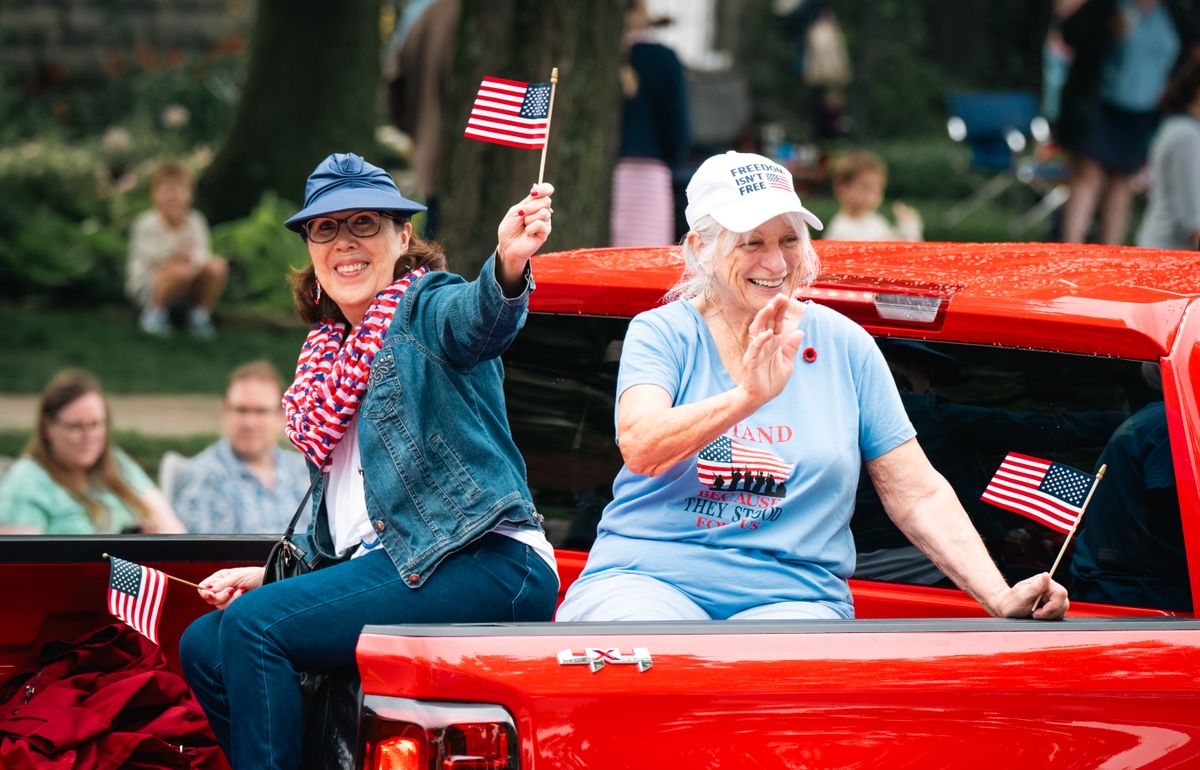
New polling surrounding the nation’s 250th anniversary found that many Americans believe the United States has accomplished significant progress since its founding, even as they express disappointment about current conditions. A Gallup survey found that 69% of Americans believe the United States has achieved either a great deal or a fair amount of success in reaching its founding ideals. That finding suggests that dissatisfaction with the present does not mean Americans reject the country’s overall history or accomplishments. The numbers show a complicated relationship between national pride and criticism. Many Americans appear willing to acknowledge advances in freedom, technology, economic development and social progress while also pointing to problems they believe threaten the country’s future.
That contrast has appeared throughout American history. Major anniversaries often become moments of reflection, forcing citizens to compare the country’s original promises with the reality people experience today. The 250th anniversary has created a similar moment. Americans are not simply celebrating the past. They are also asking whether the country can continue improving in the decades ahead.
A Majority of Americans Remain Proud of the United States
Despite concerns about politics and national challenges, polling shows that patriotism remains strong among many Americans. A Marquette Law School Poll found that 66% of Americans said they were very or somewhat proud of who Americans are as a country. The survey included 28% who described themselves as very proud and 38% who said they were somewhat proud. The same survey found that 75% of Americans believe the United States is a better country than most others around the world. This indicates that national pride remains an important part of American identity, even during a period of intense political disagreements.
However, pride does not automatically translate into confidence about the future. The same surveys found that Americans are much less certain when asked about the direction of democracy and the country’s future. Only about half of respondents expressed optimism about America’s democratic future, showing a clear gap between affection for the nation and concerns about its trajectory. This divide explains why current public opinion cannot easily be described as either patriotic or pessimistic. Many Americans appear to hold both views at the same time: they believe the United States is exceptional in many ways, but they worry about whether future generations will inherit the same opportunities.
The Future of American Democracy Has Become a Major Concern
One of the strongest themes in recent polling is uncertainty about democracy. While Americans continue to value the country’s democratic system, confidence in its future has weakened. Political division, debates over elections and disagreements about government institutions have contributed to a more cautious national mood. Only 52% of Americans said they were very or somewhat optimistic about America’s future as a democracy, according to polling around the anniversary. A smaller percentage described themselves as highly optimistic. The concern reflects broader questions about political stability, trust in institutions and whether elected leaders can work together to address major challenges.
For many Americans, democracy remains a core part of national identity. Surveys show strong support for foundational principles such as voting rights, free expression and religious freedom. An AP-NORC survey found that 87% of Americans said freedom of speech is important to the country’s identity, while 86% said the right to vote is important. These results suggest that disagreements often center less on whether democratic values matter and more on how those values should be protected and applied.
America’s Political Divide Shapes How Citizens View the Country
The 250th anniversary also highlighted the growing role of politics in shaping national attitudes. Americans from different political backgrounds often view the country’s progress and future through different perspectives. Polling showed major differences between Republicans, Democrats and independents regarding interest in anniversary celebrations and views about the nation’s condition. A Marquette survey found that 76% of Republicans expressed strong interest in the 250th anniversary, compared with lower levels among Democrats and independents.
That divide demonstrates how even shared historical moments can become connected to modern political identities. For much of American history, national celebrations have attempted to create common ground. However, today’s political environment means many Americans interpret the same events through different experiences and beliefs. The disagreement does not necessarily mean Americans have stopped caring about the country. In many cases, strong political arguments reflect different ideas about how America should fulfill its promises.
Many Americans Feel the Country Is Struggling, but Hope Has Not Disappeared
Recent polling shows widespread dissatisfaction with the current state of the nation. A Pew Research Center survey found that many Americans believe the country is facing serious challenges, with concerns ranging from political division to economic pressures and social issues. Another survey found that 59% of Americans believe the nation’s best years may already be behind it, while others remain confident that better times are still possible.
These numbers reveal an important distinction: Americans can be unhappy with current conditions while still believing improvement is achievable. The country’s history includes many periods of uncertainty, including economic crises, wars, political conflicts and social struggles. Yet Americans have repeatedly looked for ways to address problems and reshape the future. That historical perspective appears to influence current attitudes. Even among those who express disappointment, many continue to believe that progress remains possible.
Americans Still Share Core Values Despite Deep Divisions
Although political disagreements dominate public discussion, polling shows that Americans continue to agree on several fundamental principles. Freedom, equality, voting rights and individual expression remain widely recognized as important parts of the national identity. The challenge is that Americans often disagree about how those principles should be protected. For example, discussions about free speech, elections and government authority often produce strong disagreements. Yet those debates are happening because many Americans believe these issues are central to the country’s future.
A separate Ipsos survey found that Americans believe it is important to discuss both the country’s achievements and its failures. That finding reflects a broader understanding that both celebration and accountability shape national identity. A country’s history is not only defined by victories. It is also shaped by how citizens respond to challenges and whether they continue working toward their ideals.
The 250th Anniversary Reveals a Nation Reflecting on Its Future.
The latest polling surrounding America’s milestone anniversary presents a country experiencing multiple emotions at once. Americans remain proud of their nation’s achievements. They continue to value democratic principles and recognize the importance of freedoms that have shaped the country for generations. At the same time, many Americans are worried about political division, institutional trust and the future direction of the nation.
The story of America at 250 years is therefore not simply one of celebration or disappointment. It is a story of a country examining itself. The tension between pride and concern has existed throughout American history. Each generation has faced questions about whether the nation was meeting its ideals and whether progress would continue.