9 Ways Thanksgiving Looks Different When You’re the Oldest Generation at the Table
There’s a moment many people don’t see coming. One year you’re the young parent rushing to get the kids dressed, and seemingly the next, you look around the Thanksgiving table and realize that you’re now the oldest person sitting there. The grandparents and great-aunts who once ran the holiday are gone, and the job of being the family’s elders has quietly passed to you.
It can be a bittersweet feeling. There’s pride in seeing the family you built gathered together, and there’s often a little ache for the people who used to sit in those seats. The holiday itself starts to feel different, too, in ways that are hard to explain until you’ve experienced them.
Many people over 60 and 70 say Thanksgiving takes on new meaning once they become the oldest generation. Here are nine of the ways it changes, from who’s in the kitchen to what really matters at the end of the day.
1. You Become the Keeper of the Recipes
When your mother or grandmother is no longer around, the family’s recipes often land with you. Suddenly, people are calling to ask how much sage goes in the dressing or whether Grandma’s sweet potatoes had pecans on top. You become the living cookbook.
Many older cooks find themselves writing recipes down for the first time, since they’ve always made them from memory. Some type them up, others copy them onto index cards and some make a little family cookbook for the grandchildren. It’s a way of making sure those flavors outlive the people who created them.
2. You Notice the Empty Chairs
Even in a full house, the people who are missing can feel very present. Parents, spouses, siblings and old friends who used to fill the room are remembered in quiet moments, in a favorite dish or in a story that gets told every year.
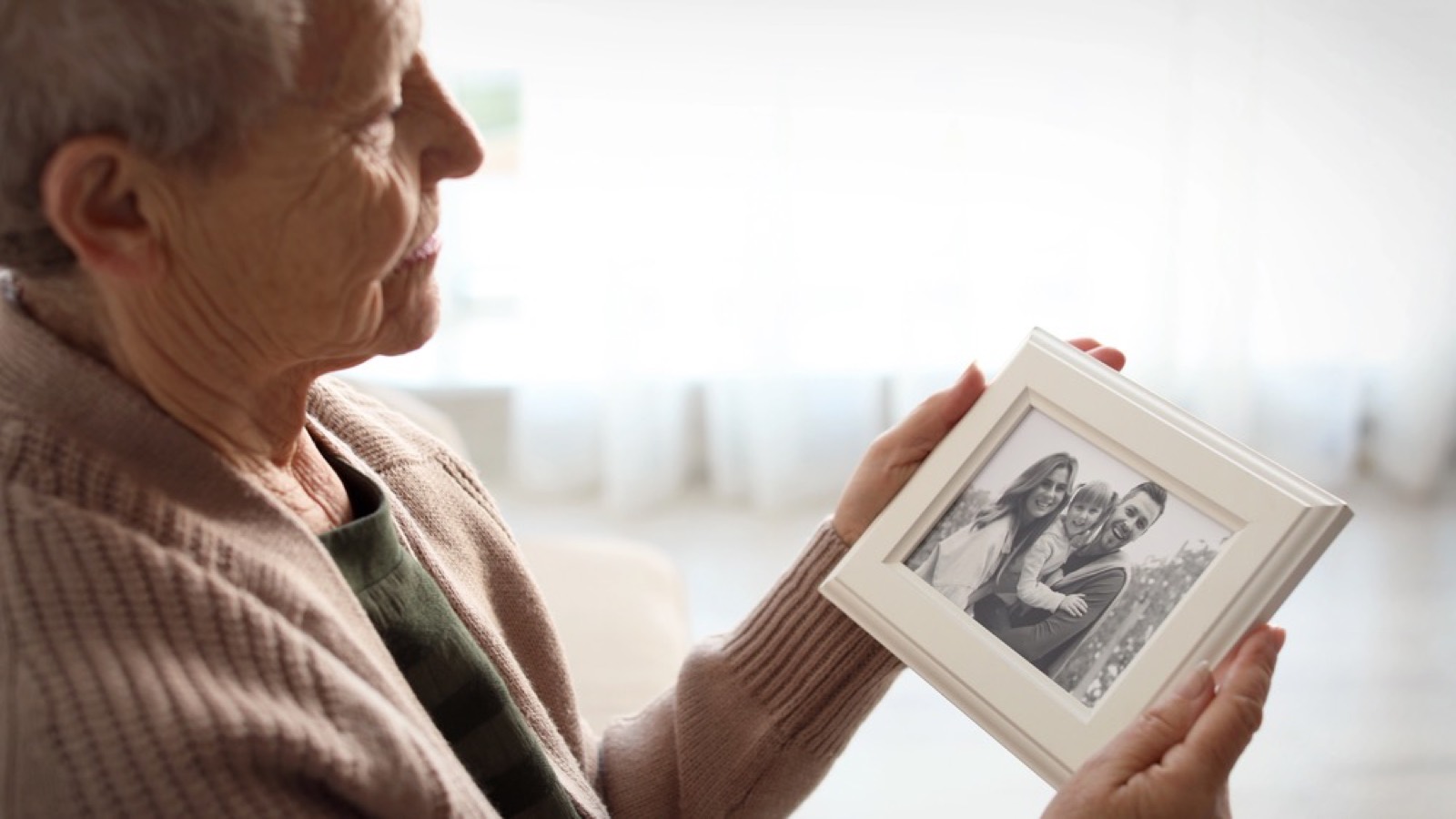
Some families set out a photo or say a few words before the meal to honor those who’ve passed. For the oldest generation, these memories are especially vivid. They remember holidays from decades ago that the younger family members only know through stories.
3. The Kitchen Is No Longer Yours Alone
For years, you may have run the Thanksgiving kitchen from dawn until dinner. Now, your grown children and their spouses may want to take over the turkey, bring their own side dishes or try new recipes. Letting go of control isn’t always easy.
Many older hosts say they eventually learn to enjoy it. It’s a relief not to be on your feet for 10 hours, and it’s a joy to see your children continuing the traditions you started. Some still insist on making one signature dish, though, and nobody dares touch it.
4. You Appreciate the Small Things More
When you’re younger, Thanksgiving can feel like a blur of cooking, cleaning and chasing children. As the oldest at the table, many people find they slow down and soak it all in. The sound of laughter from the next room, the smell of the turkey and the sight of the grandkids playing take on special meaning.
People in their later years often say that gratitude comes more naturally with age. They’ve lived long enough to know that holidays with everyone together are a gift, and not something to take for granted.
5. The Stories Matter More
The oldest generation carries the family’s history. When the grandkids ask what Thanksgiving was like when you were little, you’re the one who can tell them about the farmhouse, the wood stove, the Macy’s parade on a black-and-white TV or the year the turkey hit the floor.
These stories become part of the holiday itself. Younger family members may roll their eyes at hearing them again, but many grow up to treasure them. Some families even record their elders’ memories so they won’t be lost, knowing those are among the things grandkids remember most.
6. You Watch the Traditions Change
Every generation brings its own ideas to the table. Your children might add a new side dish, swap the canned cranberry sauce for homemade or start a Friendsgiving. The grandkids might bring a plant-based dish or ask to watch something other than football.
For the oldest generation, it can be a little hard to see beloved traditions change or fade. But many come to accept that the holiday is a living thing. The important parts, like gathering and giving thanks, remain even when the menu shifts.
7. You Worry Less About Perfection
Many older hosts say they spent years stressing over a spotless house, matching dishes and a perfectly timed meal. With age comes a different perspective. The gravy might have lumps, the rolls might be store-bought and the tablecloth might have a stain, and none of it really matters.
What matters is that everyone is together and well fed. Plenty of people over 60 say they wish they had learned this lesson sooner, because they spent too many holidays worried rather than enjoying the people around them.
8. You Think About What You’ll Leave Behind
Being the oldest generation often brings thoughts about legacy. People start to wonder who will host when they no longer can, who will get Grandma’s gravy boat and whether the family will keep gathering once they’re gone.
Some use Thanksgiving as a time to pass down heirlooms, share family history or simply tell their children how proud they are of them. These conversations can be emotional, but many families say they’re among the most meaningful moments of the holiday.
9. Gratitude Feels Different
When you’ve lived a long life, the things you’re thankful for tend to change. Material things matter less, and people matter more. Many older adults say they’re most grateful for their families, their memories and simply being there for another holiday.
That shift can make Thanksgiving feel deeper and more personal. The blessing before the meal may carry more weight, and a simple hug from a grandchild may mean more than any gift. For many, it becomes the most important holiday of the year.
A New Seat at the Same Table
Becoming the oldest generation at Thanksgiving is a quiet milestone. It comes with a sense of loss for those who came before, but also with pride, wisdom and a front-row seat to the family you helped build. The table may look different than it did decades ago, but its heart is the same.
Are you the oldest generation at your family’s Thanksgiving table now? What’s changed for you, and what tradition do you hope your family keeps long after you’re gone?