7 Foods You Should Never Store Next to Each Other
You bought a beautiful head of lettuce on Sunday, and by Wednesday it is limp and spotted. The fridge was cold and the bag was sealed, so what went wrong? Very often the culprit is not the lettuce at all, but whatever it was sitting next to.
Some fruits release a natural ripening gas called ethylene that speeds up aging in nearby produce, and some foods absorb strong odors from their neighbors. Separate these seven pairs and your groceries will stay fresher, crisper and better tasting for longer.
Why Some Foods Make Others Go Bad Faster
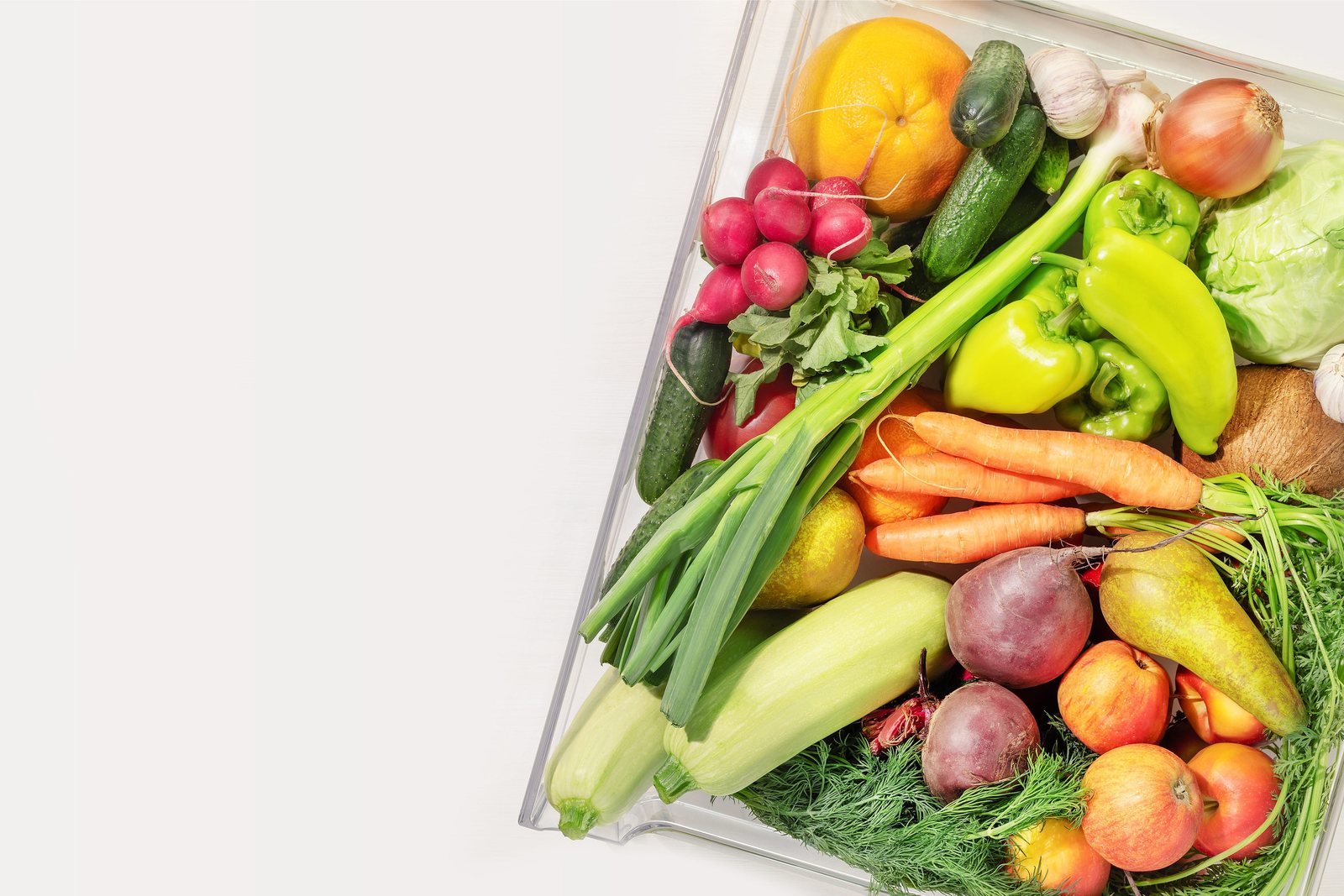
University of Nebraska-Lincoln Extension’s guide to proper produce storage lists apples, avocados, unripe bananas, cantaloupe, peaches, pears, plums and tomatoes among the produce that gives off ethylene. Ethylene-sensitive foods include broccoli, cabbage, carrots, cauliflower, cucumbers, lettuce and leafy greens. The guide notes that leafy greens are especially sensitive, and that you cannot smell ethylene, so you will not know it is working until the damage shows.
Flavor is the other issue. A Penn State report on odor-absorbing produce explains that some foods pick up the aromas of others, which is why a crisper drawer can turn into a flavor swap meet. It is a lot like the plastic-bag problem we covered in 9 things you should never store in Ziploc bags: the right container and the right neighbors matter.
1. Apples and Leafy Greens
Apples are one of the few ethylene producers that keep best in the refrigerator, according to the UNL guide, which is exactly why they cause trouble. Tuck a bag of apples next to your lettuce, spinach or kale and the greens can yellow and wilt in just a few days. Give apples their own drawer, and keep tender greens wrapped loosely in paper towels rather than sealed airtight. If you grow your own salad greens, the same rule applies to what you pick from elevated garden beds for fall greens and bring inside.
2. Apples and Carrots
Carrots may seem sturdy, but South Dakota State University Extension’s advice on storing root vegetables warns that carrots can pick up a bitter taste from ethylene. SDSU recommends keeping carrots away from apples, or at least in separate crisper drawers. It is a simple fix that keeps carrot sticks sweet and crunchy. Labeled bins for each drawer, one of those small DIY projects that make life much easier, help everyone in the house put things back in the right place.
3. Onions and Potatoes
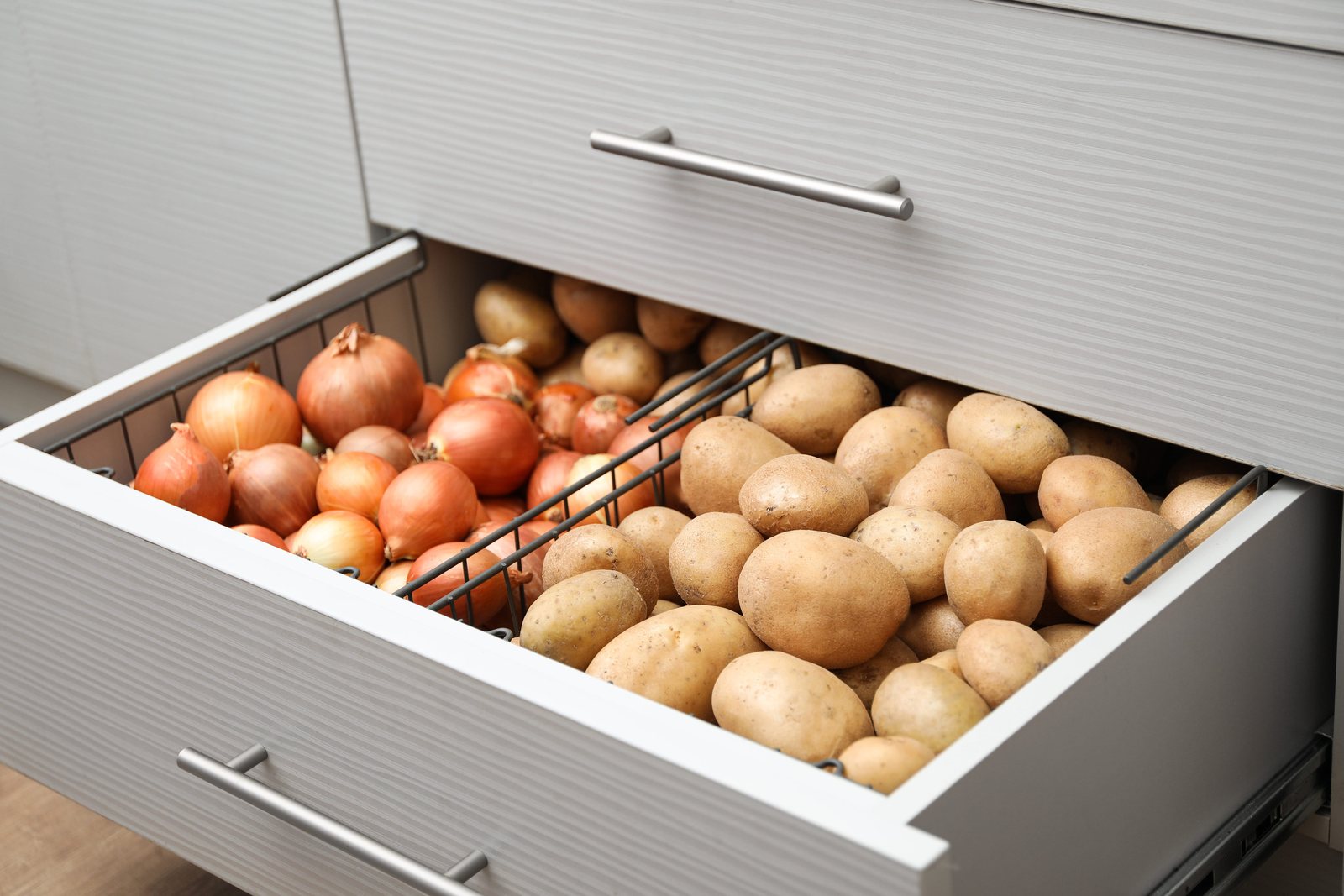
Grandma may have kept them in the same bin, but these two do better apart. Penn State’s experts note that bulb onions and garlic can pass their odor to potatoes, and SDSU Extension points out that the two need different conditions. Onions prefer a dry spot with low humidity, while potatoes like a dark, well-ventilated place around 40 to 50 degrees with higher humidity. Store them in separate baskets in a cool pantry. Spuds stored this way make better mashed potatoes, a point we also covered in 6 things to know before buying potatoes for Thanksgiving mashed potatoes. Humble staples like these are some of the budget foods that even the wealthy eat, so it pays to keep them in top shape.
4. Tomatoes and Cucumbers
They go together in a salad, but not on the counter or in the fridge. Tomatoes are on the UNL list of ethylene producers and cucumbers are on its list of sensitive produce. Cucumbers stored next to ripening tomatoes can soften and develop soft spots sooner. Keep tomatoes at room temperature out of direct sunlight, and store cucumbers on their own. A simple tiered basket can give each its own spot.
5. Avocados and Broccoli
Avocados are strong ethylene producers, and Ask Extension’s answer on ethylene and produce storage lists broccoli and cauliflower among the foods to keep away from producers like avocados, bananas, melons and peaches. Store a bag of ripening avocados next to your broccoli and the florets can turn yellow fast. Ripen avocados on the counter and keep broccoli cold and separate.
6. Pears and Onions
Pears are both an ethylene producer and an odor sponge. Penn State’s list shows that onions and garlic can transfer their aroma to pears and apples, while pears can affect cabbage, carrots, celery and potatoes. A pear that tastes faintly of onion is nobody’s idea of dessert, so keep them in different parts of the kitchen.
7. Citrus and Butter or Cheese
This one surprises people. According to Penn State, citrus fruit can pass its aroma to dairy and eggs, and apples can do the same. Butter and soft cheeses are especially good at soaking up nearby smells. Keep butter wrapped or in a covered dish, store cheese in its own container and give citrus a separate drawer.
A Few Simple Habits
- Use one crisper drawer for fruit and one for vegetables.
- Keep onions, garlic and potatoes out of the fridge, in separate baskets.
- Let avocados, bananas and tomatoes ripen on the counter, away from other produce.
- Wrap butter and cheese well so they stay tasting like themselves.
A little rearranging costs nothing and can add days of freshness to the food you already bought. Next time you unpack groceries, think about who is sitting next to whom, and your salads, snacks and side dishes will taste the way they should.