Why Independent Coffee Shops Continue to Attract Loyal Customers
Independent coffee shops have become more than places to buy a latte. They have turned into neighborhood anchors, quiet workspaces, creative corners, first-date spots, and familiar morning stops where customers feel seen before they even place an order.
In a world full of fast chains, mobile apps, drive-through windows, and identical menus, independent coffee shops offer something many people still crave: personality. They feel human. They feel local. They feel like places built by people, not just brands.
That is why loyal customers keep coming back. They are not only buying coffee. They are buying comfort, routine, atmosphere, connection, and a small sense of belonging in a busy digital age.
They Offer a Sense of Place
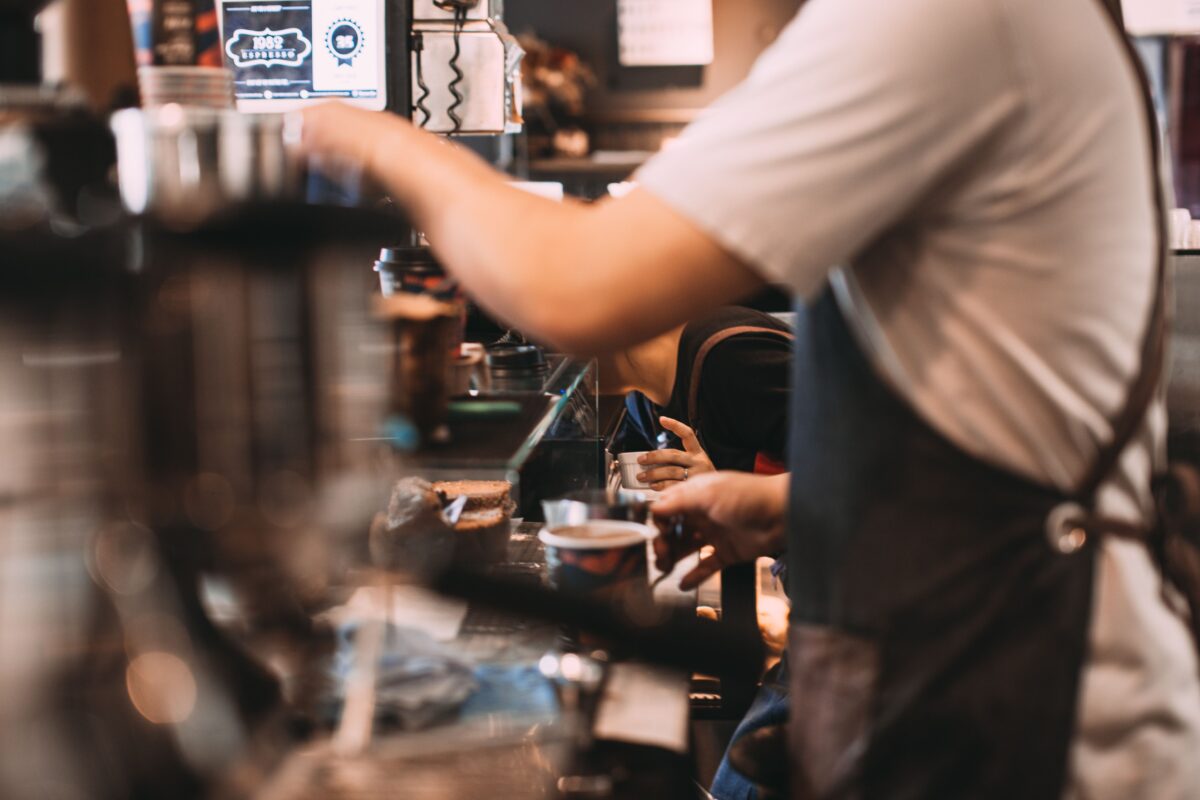
Independent coffee shops usually reflect the neighborhoods around them. The furniture, artwork, music, menu, and even the names of drinks often carry a local flavor. A small coffee shop in a college town may feel energetic and creative, while one in a quiet suburb may feel warm, calm, and familiar.
That sense of place is powerful because customers do not want every experience to feel the same. Big chains are built on consistency, but independent shops are built on character. People walk in and feel like they are somewhere specific, not just anywhere.
A loyal customer may return because the shop reminds them of home, community, or a favorite chapter of their life. That emotional connection is hard for larger brands to copy.
They Make Customers Feel Known

One of the biggest advantages independent coffee shops have is personal recognition. A barista remembering a customer’s name, drink order, or favorite seat can turn a simple purchase into a small daily ritual.
That kind of attention matters. Many people move through their day feeling rushed, ignored, or reduced to numbers on a screen. A local coffee shop can interrupt that feeling with one warm greeting.
Loyalty often begins with the coffee, but it deepens with familiarity. Customers return because the place remembers them. They feel like regulars, not transactions.
The Atmosphere Feels More Authentic
Independent coffee shops often have a lived in charm that customers love. The chairs may not match perfectly. The art may come from local artists. The playlist may change depending on who is working. The menu may include seasonal specials that feel handmade rather than focus-grouped.
That imperfection creates authenticity. People are drawn to spaces that feel real, especially in a culture where so many places look polished, branded, and predictable.
A small coffee shop can feel like a living room, a studio, a library, and a community board all at once. That atmosphere gives customers a reason to stay longer and return often.
They Support Local Identity
Many customers choose independent coffee shops because they want their money to stay close to home. Buying coffee from a local shop can feel like supporting a neighbor, a family, a young entrepreneur, or a small team trying to build something meaningful.
This matters in communities where people are worried about rising costs, empty storefronts, and the spread of identical national chains. A local coffee shop can represent resistance against sameness. It tells the neighborhood that small businesses still matter.
For customers, loyalty becomes personal. They are not just choosing a drink. They are choosing to protect a local space they value.
They Create Better Community Connections
Independent coffee shops often become natural gathering places. Students meet there to study. Remote workers settle in for the afternoon. Parents stop by after school drop-off. Writers, artists, freelancers, and business owners use them as informal offices.
Over time, these repeated visits create a quiet community. Customers begin recognizing one another. Conversations start. Events happen. Flyers go up. Local causes find support. A coffee shop becomes a place where people cross paths in real life, not just online.
That kind of connection is rare, and people notice when they find it. A loyal customer may love the coffee, but they may love the community even more.
The Menu Feels More Creative

Independent shops often have more freedom to experiment. They can introduce unique drinks, test seasonal flavors, partner with local bakeries, or build a menu around the owner’s personal taste.
That creativity keeps the experience fresh. Customers may return to try a lavender latte, a house-made syrup, a new pastry, or a limited weekend drink. These small menu changes make the shop feel alive.
Unlike large chains that must appeal to millions of people at once, independent coffee shops can serve a smaller audience with more personality. That gives them room to be bold, playful, and memorable.
Customers Trust the Craft
Many independent coffee shops take pride in the details. They may care deeply about beans, roasting methods, brewing styles, milk texture, espresso timing, and presentation. Even customers who are not coffee experts can often feel that care in the final cup.
Craft creates trust. When people know a shop takes its coffee seriously, they are more willing to pay a little more and return often.
The best independent shops do not just serve caffeine. They serve a carefully made product with a human touch. That effort gives customers a reason to choose them over faster or cheaper options.
They Offer an Escape From Digital Overload
Modern life is crowded with screens, alerts, online meetings, and constant noise. Independent coffee shops give people a softer place to land. Even when customers bring laptops or phones, the environment often feels more grounded than a home office or corporate workspace.
The smell of coffee, the sound of cups, the low hum of conversation, and the comfort of a favorite table can make the world feel slower for a moment.
That emotional pause is part of the appeal. Customers are not only looking for coffee. They are looking for a place where they can breathe.
They Turn Routine Into Ritual

A daily coffee run may seem small, but for many people, it becomes one of the most reliable parts of the day. It marks the start of work, the end of a school run, a midday reset, or a quiet weekend tradition.
Independent coffee shops are especially good at turning routine into ritual because every visit feels slightly personal. The customer knows the route, the smell, the faces, the menu, and the rhythm of the place.
That repetition builds loyalty. People return because the shop becomes part of their life pattern. It is not just convenient. It is comforting.
They Give People a Story to Support
Every independent coffee shop has a story. Maybe it started with one person’s dream. Maybe it grew from a family recipe, a passion for roasting, or a desire to bring people together. Customers often connect with that story because it feels more personal than a corporate mission statement.
When people understand the story behind a shop, they feel more invested in its survival. They recommend it to friends. They post about it online. They defend it when competition arrives.
That is the strongest kind of loyalty: the kind built on emotion, not habit alone.
Conclusion
Independent coffee shops continue to attract loyal customers because they offer what many large brands struggle to provide: warmth, personality, a sense of place, and connection. They make people feel known. They give neighborhoods a gathering place. They turn a simple cup of coffee into a familiar experience worth repeating.
In the digital age, where so much of life feels fast, automated, and impersonal, independent coffee shops remind customers of something important. People still want places with character. They still want human interaction. They still want spaces that feel like they belong to the community.
That is why independent coffee shops are not just surviving. In many places, they are becoming more meaningful than ever.