8 Christmas Foods With Surprisingly Strange Origins
Every December, the same beloved foods show up on tables across America. There’s eggnog in the fridge, candy canes on the tree, a gingerbread house on the counter and maybe a fruit-filled pie waiting for dessert. Most of us enjoy these treats without giving much thought to where they came from.
But the stories behind many Christmas foods are far stranger than you might expect. Some started out as completely different dishes, some were once considered medicine and a few were tied to old legends that historians still argue about. A couple of them even caused political controversy hundreds of years ago.
Learning these stories can make your holiday table a lot more interesting, and they make for great conversation over dinner. Here are eight Christmas foods with surprisingly strange origins, and how they became the holiday favorites we know today.
1. Mince Pies Once Contained Real Meat
Today’s mince pies are filled with a sweet mixture of dried fruits, nuts, spices and sometimes brandy. But the name gives a clue to their past. Historically, mince pies really did contain meat, and recipes could include beef, mutton, tongue and even tripe, according to the history of the mince pie.
The pies were also politically controversial. During the English Interregnum in the 1600s, Puritans attacked mince pies because of their indulgent reputation and supposed Catholic connections. Over the following century, recipes gradually stopped including meat, though some mincemeat still uses beef suet today.
2. Plum Pudding Doesn’t Contain Plums
The classic British Christmas pudding, often called plum pudding, is a dense, dark dessert made with dried fruit, suet, spices and sometimes brandy. It’s often set on fire before serving. But despite its name, it doesn’t contain plums as we know them.
In earlier centuries, the word “plum” was often used for dried fruits like raisins and currants. So “plum pudding” simply meant a pudding full of dried fruit. Many American families, especially those with British roots, still serve it at Christmas, and the name continues to confuse guests every year.
3. Eggnog Grew Out of a Medieval Drink
Eggnog’s rich, creamy flavor has been a holiday favorite in America since colonial times. Its roots likely go back to posset, a medieval European drink made with hot milk curdled with wine or ale and flavored with spices, according to the history of eggnog.
Posset was once used as a home remedy for colds, and by the 13th century, monks were known to drink versions with eggs and figs. When the drink crossed the Atlantic, the American colonies had plenty of eggs, milk and rum, which helped turn it into the eggnog we know today.
4. Candy Canes and a Legend About Noisy Children
The most popular story about the candy cane says that in 1670, a choirmaster at Cologne Cathedral in Germany handed out sugar sticks to children to keep them quiet during long Christmas services. He supposedly bent them into the shape of a shepherd’s crook as a reminder of the shepherds who visited baby Jesus.
Historians point out that this story is hard to confirm, and it may be more legend than fact. What’s clear is that early candy canes were plain white, and the famous red stripes came much later. Today, candy canes are one of the most recognizable symbols of Christmas in America.
5. Gingerbread Houses Got a Boost From a Fairy Tale
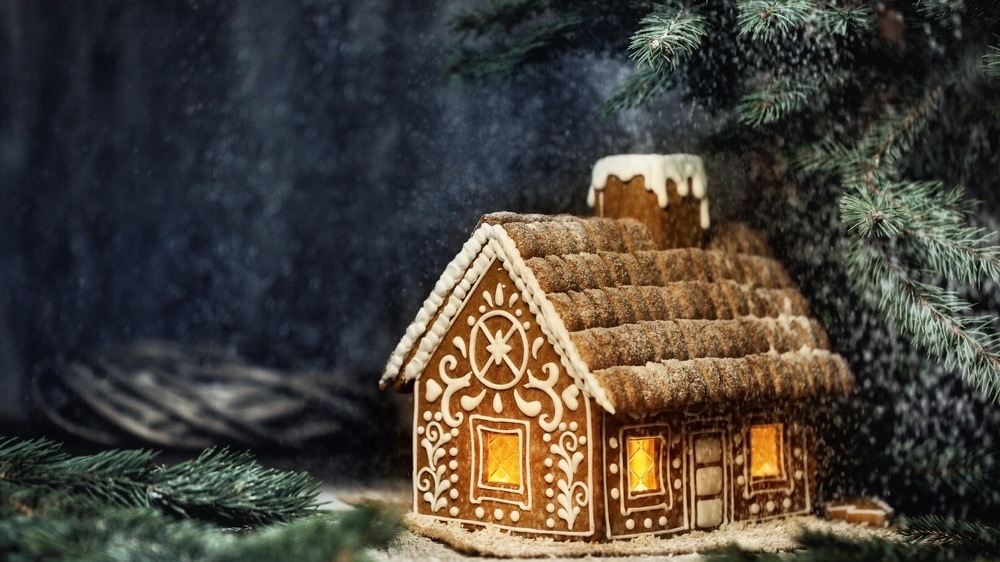
Gingerbread has been baked in Europe for centuries, but gingerbread houses became especially popular in Germany in the 1800s. Many historians link their rise to the Brothers Grimm’s fairy tale of Hansel and Gretel, in which two children discover a house made of bread, cake and sugar in the woods.
German bakers began crafting elaborate gingerbread houses decorated with candy and icing, and the tradition spread to America with German immigrants. Today, building gingerbread houses is a holiday activity for families everywhere, though few people stop to think about the rather dark fairy tale behind it.
6. Fried Chicken Became Christmas Dinner in Japan
Here’s one that surprises many Americans. In Japan, a bucket of KFC fried chicken has become a popular Christmas meal for millions of families. The tradition traces back to a 1974 marketing campaign called “Kentucky for Christmas,” according to accounts of Christmas in Japan.
Christmas isn’t a traditional holiday in Japan, so there were no established food customs to compete with. The campaign struck a chord, and today many families order their Christmas chicken weeks in advance. It’s a perfect example of how a clever advertisement can create a tradition that lasts for generations.
7. The Yule Log Cake Comes From Burning Real Logs
The bûche de Noël, or Yule log cake, is a rolled sponge cake frosted to look like a log, often decorated with meringue mushrooms and powdered sugar snow. It’s especially popular in France and French-speaking regions, and it’s become a showstopper on many American dessert tables.
The cake is a sweet tribute to an older custom. In parts of Europe, families once burned a large log in the fireplace during the Christmas season, a tradition tied to winter celebrations and good luck for the coming year. As big hearths disappeared from homes, the tradition lived on in cake form.
8. Wassail Was Part of a Rowdy Old Tradition
Wassail is a hot, spiced drink usually made with cider or ale, sugar and spices, sometimes with roasted apples floating on top. The word comes from an old English greeting meaning “be well” or “good health,” and the drink was shared during winter celebrations.
Wassailing was also a custom of going door to door singing and offering a drink in exchange for food or money, a tradition that later blended into Christmas caroling. In some apple-growing regions of England, people even “wassailed” their orchards, singing to the trees to encourage a good harvest. Many American families still make a pot of wassail at Christmas, a tradition covered in this look at Christmas traditions and their roots.
Why These Stories Matter
The strange origins of these foods show how holiday traditions change over centuries. Meat pies became fruit pies, medieval remedies became party drinks and an advertising campaign became a national custom. Every generation adds its own twist, and the foods keep evolving.
Knowing these stories can also make holiday meals more meaningful. When you sip eggnog or bite into a mince pie, you’re taking part in traditions that stretch back hundreds of years, shared by people in very different times and places.
Share a Story at the Table This Year
This Christmas, consider sharing one of these stories with your family over dinner. Kids especially love learning that plum pudding has no plums or that candy canes might have been invented to keep children quiet in church. It’s a fun way to bring a little history to the holiday table.
And the next time someone asks why your family serves a particular dish at Christmas, you might just have a surprising answer ready. Holiday foods, it turns out, are full of stories waiting to be told.