9 Old-Fashioned Table Manners Boomers Wish Would Come Back
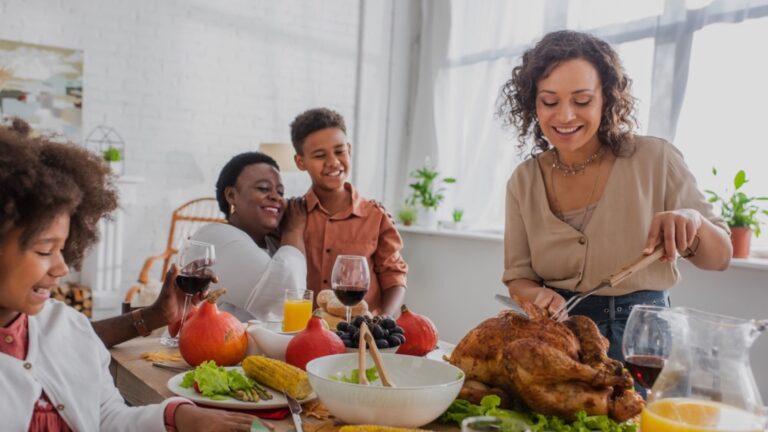
For many baby boomers, dinner time came with a clear set of rules. You washed your hands before sitting down, waited until everyone was served and kept your elbows off the table. Break one of those rules, and you’d get a look from Mom, or a firm reminder from Dad, before you could even reach for the potatoes.
Those rules weren’t just about being proper. They taught respect, patience and consideration for others, and they made family meals feel like a shared event rather than a free-for-all. Many boomers say they can still hear their parents’ voices in their heads whenever they sit down to eat.
Today, family dinners often look very different, and many of those old rules have quietly disappeared. Boomers notice, especially at holiday gatherings and restaurants. Here are nine old-fashioned table manners many boomers wish would make a comeback, and why they still matter.
1. No Phones at the Table
Of course, boomers didn’t grow up with smartphones, but they did grow up with rules like no TV during dinner and no answering the phone while eating. If the phone rang during supper, many families simply let it ring. Dinner was family time.
Today, many boomers watch in frustration as children and grandchildren scroll through their phones during meals. Some families have started using a phone basket at the door or the center of the table. The habit of checking phones constantly, even between couples at home, has become so common that it has its own name, as this piece on phubbing explains.
2. Waiting Until Everyone Is Served
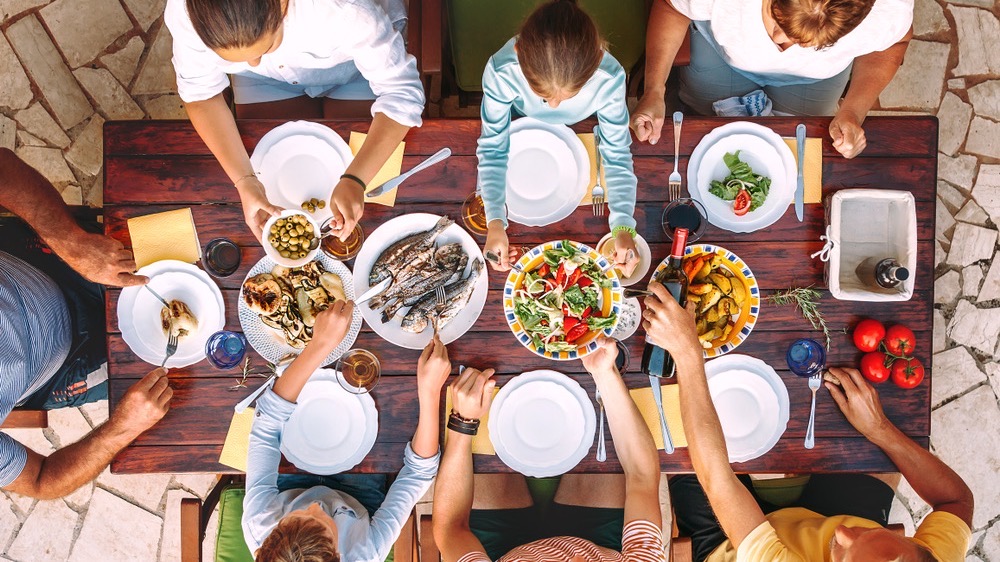
In many homes, nobody picked up a fork until everyone had food on their plate, and often not until the hostess or Mom took her first bite. It was a way of showing respect for the cook and making sure the meal was shared together.
Today, it’s common for people to start eating as soon as their food arrives, especially at restaurants. Many boomers still wait, and they quietly notice when others don’t. They say waiting just a moment makes the meal feel more like a shared experience.
3. Napkin in the Lap
Boomers were taught to place their napkin in their lap as soon as they sat down, and to use it to dab their mouth rather than wipe their face with the back of their hand. Leaving the napkin on the table, or tucking it into a shirt collar, was considered bad form for anyone past toddler age.
It’s a simple habit, but it’s become less common, especially with paper napkins and casual meals. Boomers say it’s one of the easiest manners to teach children, and it makes a good impression at nicer restaurants and dinner parties.
4. Elbows Off the Table
“Elbows off the table!” may be one of the most repeated phrases in boomer childhoods. Resting elbows on the table while eating was considered sloppy and rude, and it could take up space that belonged to the person sitting next to you.
Etiquette experts today often say elbows are fine between courses or during conversation, but not while actually eating. Still, many boomers stick to the old rule, and they notice when younger diners slouch over their plates.
5. Asking to Be Excused
In many boomer households, children couldn’t just get up and leave the table when they were done eating. They had to ask, “May I be excused?” and wait for permission. It taught kids patience and respect for the people still eating.
This rule has largely disappeared in many homes. Kids often jump up as soon as they finish, and adults sometimes wander away too. Boomers say asking to be excused kept the family together at the table a little longer, which is something many of them miss.
6. Chewing With Your Mouth Closed
This one seems obvious, but boomers say it’s surprising how often it’s ignored. They were taught to chew with their mouths closed, not to talk with food in their mouths and to take small bites. Slurping and smacking were strictly off-limits.
Many boomers notice these habits immediately, especially in restaurants. They believe good chewing manners are a basic form of courtesy, and they’re the kind of thing that can make or break a first impression on a date or a business lunch.
7. “Please Pass” Instead of Reaching
Boomers grew up being told never to reach across the table or in front of another person. Instead, you asked someone to “please pass the salt” and said “thank you” when it arrived. Many families also had a rule about passing dishes in one direction, usually to the right.
Reaching across the table was considered rude because it invaded someone else’s space and risked knocking over drinks. Boomers say the simple act of asking for something to be passed creates small moments of politeness that make a meal more pleasant.
8. Complimenting the Cook
After a meal, it was expected that you thank the person who cooked it. A simple “That was delicious, thank you” meant a lot to the mom or grandmother who’d spent hours in the kitchen. Some families made it a rule that every child had to say something nice about the meal.
Many boomers feel this courtesy has faded, especially at casual family dinners. They believe thanking the cook shows gratitude and respect, and it encourages the people who work hard to keep feeding the family.
9. Hats Off at the Table
For many boomers, especially men, removing your hat at the dinner table was a must. Wearing a baseball cap while eating, particularly at someone else’s home or a nice restaurant, was seen as disrespectful.
Today, hats at the table are common, and many younger people don’t see anything wrong with it. But boomers often still notice, and some families keep the rule for holiday dinners and special occasions. To them, taking off your hat is a small sign that you value the meal and the company.
Why These Manners Still Matter
Some people see old-fashioned table manners as stuffy or outdated, but boomers argue that they’re really about respect. Waiting for others, thanking the cook and putting phones away all show that you value the people around you. These habits help create a sense of togetherness that’s easy to lose in a busy world.
Many of these manners belong to a larger list of etiquette rules that have faded over the years. Still, plenty of families are bringing them back, especially at holiday meals, when everyone gathers around the table.
Bringing Manners Back to the Table
If you’d like to bring some of these manners back in your own home, start small. Try a no-phones rule at dinner, or have everyone wait until all are served. Kids often enjoy learning manners when they’re presented as a fun challenge rather than a punishment.
Grandparents can play a big role too, gently modeling good habits during family meals. After all, many boomers learned their manners by watching their own parents and grandparents. Passing those lessons down is one of the best ways to keep these traditions alive.