7 Things a Husband Should Never Say to His Wife After an Argument
An argument between a husband and wife does not always end when both people stop talking. Sometimes, the tension lingers, and one careless comment can bring the disagreement right back to life.
What a husband says after an argument can make his wife feel heard and valued, or leave her feeling dismissed and disrespected. Relationship experts often point to communication habits such as criticism, contempt, defensiveness, and shutting down as patterns that make disagreements harder to resolve.
While both spouses share responsibility for healthy communication, there are certain comments worth avoiding when trying to make peace.
You’re Always Overreacting
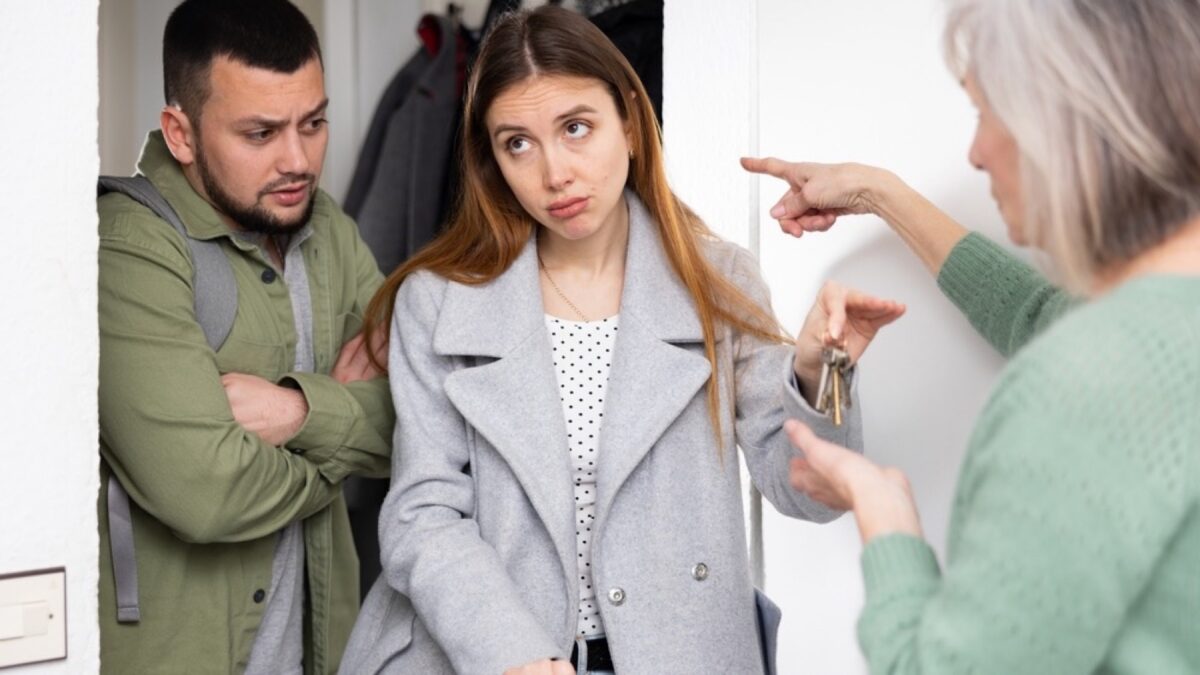
This statement might seem like an easy way to end an uncomfortable conversation, but it can make things worse. When a husband tells his wife she is overreacting, he shifts the focus from what happened to whether her feelings are justified. Instead of discussing the actual disagreement, the conversation becomes about defending her right to be upset.
The Gottman Institute identifies contempt as a harmful communication pattern that involves disrespect, ridicule, and treating a partner as though their feelings or opinions are beneath consideration. Dismissing someone’s emotions can contribute to that kind of interaction.
A better response would be: “I can see that this upset you. Can we talk about what bothered you?” He does not have to agree with everything his wife says to show that he is willing to listen.
You’re Just Like Your Mother
Bringing a wife’s family into an argument is rarely a productive move. Even if a husband is frustrated by something his wife has done, comparing her unfavorably with her mother turns a disagreement about a particular situation into a personal attack.
It also distracts from the original problem. Instead of discussing what happened, both partners may end up arguing about the comparison and what was meant by it. There is little room for finding a solution when the conversation becomes an exchange of insults.
A better response would be: “I’m frustrated about what happened, and I’d rather talk about the actual issue.”
If family expectations are genuinely part of the disagreement, couples can discuss those expectations directly without using relatives as ammunition.
I Don’t Care What You Think
Marriage involves making decisions together, and that means listening to different opinions, even when they are difficult to accept. Telling a wife that her thoughts do not matter sends the message that her contribution to the relationship is unimportant.
Of course, husbands and wives will not always see things the same way. They may disagree about spending money, parenting decisions, household responsibilities, or plans for the weekend. Having a different opinion is perfectly normal. The problem begins when disagreement turns into dismissiveness.
The Gottman Institute’s communication guidance encourages couples to replace criticism and disrespect with more constructive ways of expressing their concerns.
A better response would be: “I see things differently, but I want to understand your perspective.”
Listening does not mean surrendering an opinion. It simply means recognizing that both people deserve to be heard.
Everything Is Always Your Fault
Few things make an argument more exhausting than a partner who refuses to acknowledge their own contribution to a problem. Saying everything is always the wife’s fault turns a specific disagreement into a sweeping accusation.
Words such as “everything” and “always” can make someone feel that they are being judged for every mistake they have ever made. They also leave little room for an honest conversation about what actually happened.
The Gottman Institute describes defensiveness as a communication pattern in which someone avoids responsibility and shifts blame onto their partner. Its recommended alternative is to acknowledge one’s own role in a disagreement.
For example, if a husband forgot to pay a bill and his wife became upset, he could acknowledge that he forgot instead of blaming her for reminding him.
A better response would be: “Let’s talk about what happened and what each of us could have handled differently.”
Taking responsibility does not mean accepting blame for something you did not do. It means being honest about your own actions.
I Should Never Have Married You
This is a particularly painful thing to hear after an argument because it questions the marriage itself rather than addressing the disagreement.
A couple might be arguing about something relatively ordinary, such as money, forgotten responsibilities, or a canceled plan. Bringing up regret about getting married suddenly makes the situation much bigger and more personal.
If a husband has genuine concerns about the relationship, those concerns deserve an honest discussion when both partners can approach them thoughtfully. Using the marriage as a weapon during an argument does not help either person understand what needs to change.
A better response would be: “I’m upset about what happened, but I want us to work through it.”
This does not mean couples should ignore serious relationship problems. It means those problems should be discussed with honesty rather than thrown into an argument to hurt someone.
Why Can’t You Be More Like Other Wives?
Comparing a wife with another woman can make an already difficult disagreement feel even more personal. Whether the comparison involves a friend’s wife, a colleague’s spouse, or someone on social media, it sends an unhelpful message that she is not good enough as she is.
Sometimes, a husband may genuinely want something to change. Perhaps he would like more help with household responsibilities, better communication about weekend plans, or more time together. Those are reasonable subjects to discuss.
However, comparing his wife with another woman does not explain what he needs. It simply introduces competition into a relationship where both partners should be working together. A better response would be: “There’s something I’d like us to work on together.”
For example, instead of saying another man’s wife does more housework, a husband can explain that he feels overwhelmed by the current division of household responsibilities and suggest finding a better arrangement.
I’m Done Talking to You. Don’t Bother Me Again
Sometimes, walking away from an argument is actually a good decision. When emotions are running high, continuing the conversation may lead to more hurtful comments. Taking a little time to calm down can help both partners approach the issue more thoughtfully.
However, there is a difference between requesting a break and shutting down communication indefinitely.
The Gottman Institute identifies stonewalling as a communication pattern in which someone withdraws from an interaction and stops engaging. It also explains that emotional overwhelm can make it difficult to continue a productive discussion.
A better response would be: “I’m too upset to discuss this properly right now. Can we take a break and talk again after dinner?”
This gives both people some breathing room while making it clear that the disagreement has not simply been abandoned. Setting a realistic time to return to the conversation can make a big difference.