8 Funeral Etiquette Rules Older Generations Say Are Being Forgotten
Funerals are among the most important gatherings in any family’s life. They bring people together to honor someone they loved and to support those who are grieving. For generations, Americans followed a clear set of customs at funerals, and most people knew exactly how to behave without being told.
Many older Americans say those customs are slowly fading. Some changes reflect modern life, like celebrations of life instead of traditional services. Others, they say, come from simply not being taught. Here are some of the funeral etiquette rules older generations feel are being forgotten, and why they still believe these traditions matter.
1. Dressing in Dark, Modest Clothing
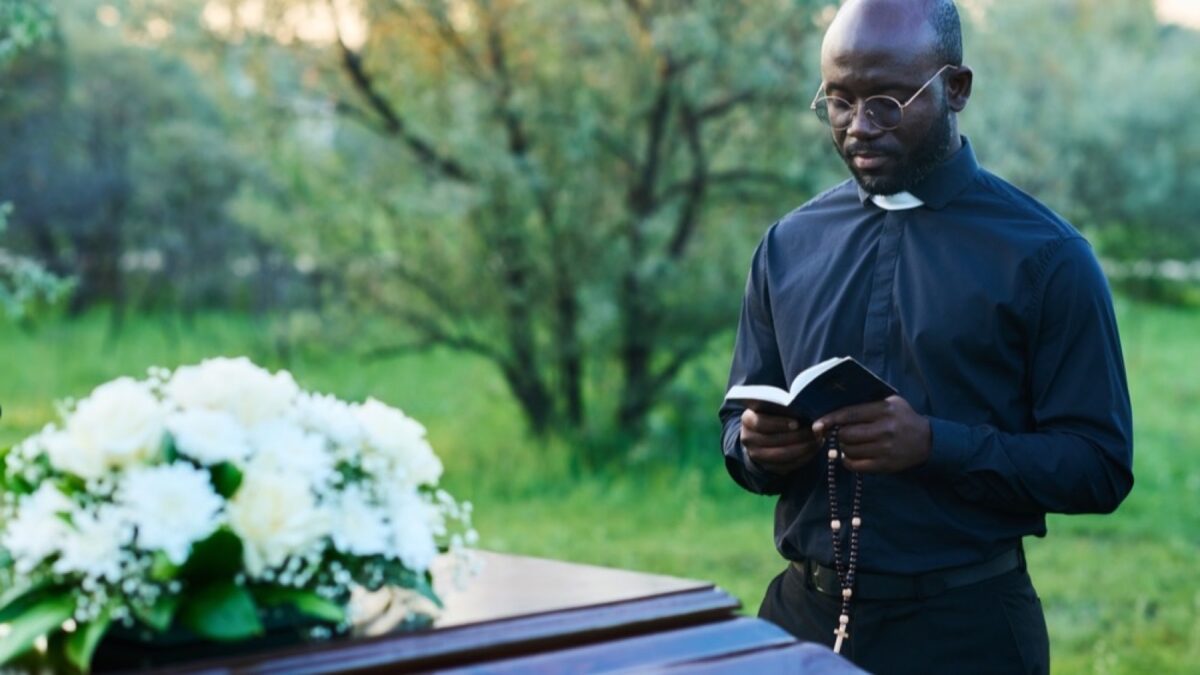
For decades, mourners wore dark, conservative clothing to funerals. Men wore suits and ties, and women wore dresses or skirts in black, navy or gray. Dressing this way was a sign of respect for the deceased and their family.
Today, many funerals are more casual, and some families even ask guests to wear bright colors in honor of a loved one’s personality. While these requests should be respected, older generations note that some guests now show up in jeans, sneakers or flashy outfits without any such request. Many still believe that unless the family says otherwise, modest and dark clothing is the safest and most respectful choice. Funeral directors often give the same advice when families ask what guests should wear.
2. Sending a Handwritten Sympathy Card
Sending a sympathy card was once one of the most basic expectations after someone died. People wrote a few heartfelt words, often sharing a memory of the person who passed. Families kept these cards and often read them for comfort in the months that followed.
Today, many people send condolences through text messages or social media comments instead. While those messages are kind, older generations say a handwritten card feels more personal and lasting. Many families still cherish the cards they receive, and some keep them for years. Taking a few minutes to write a note is a small but meaningful gesture.
3. Bringing Food to the Family
In many communities, bringing food to a grieving family was an automatic response to a death. Neighbors, friends and church members would show up with casseroles, ham, salads and desserts. The idea was to make sure the family did not have to worry about cooking while they were grieving.
This tradition is still alive in many places, especially in the South and in small towns. However, older generations say it is less common in cities and among younger people. Some families now organize meal trains online, which is a helpful modern twist. Many people still believe that bringing a homemade dish is one of the kindest things you can do, and Southern families even have their own list of funeral foods that show up again and again.
4. Turning Off Phones During the Service
Older generations often notice phones ringing, buzzing or being used during funeral services. Some guests check messages or even take photos during the ceremony. For many, this feels deeply disrespectful.
The rule is simple: phones should be turned off or silenced before entering the service. Taking photos should only happen if the family has given permission. Older Americans say that giving full attention to the service is one way to show respect for the person who died and the people who loved them.
5. Signing the Guest Book
Most funeral homes provide a guest book for visitors to sign. This book allows the family to see who came to pay their respects, which can be a great comfort later on. In the past, nearly every visitor signed it without being asked.
Today, many guests walk right past the guest book. Older generations encourage everyone to take a moment to sign it, adding a short note if possible. Families often look back at these books long after the funeral, remembering the support they received during a difficult time.
6. Not Leaving Early Without a Reason
In earlier generations, it was considered important to stay for the entire funeral service, unless there was a serious reason to leave. Leaving early could be seen as rude or uncaring. Many people also stayed for the graveside service and any reception afterward.
Older Americans say that some guests now slip out early without explanation. While everyone has busy schedules, staying for the full service shows the family that you care. If you must leave early, it is polite to sit near the back and quietly speak with a family member beforehand if possible.
7. Offering Simple, Sincere Words
Knowing what to say at a funeral can be difficult, and older generations often taught a simple approach. Saying “I’m so sorry for your loss” or sharing a fond memory was enough. People avoided long stories about their own experiences or clichés that might hurt.
Today, some people struggle to find the right words and end up saying things that feel awkward or insensitive. Older generations remind others that a simple, heartfelt sentence is often best. Listening is also important. Sometimes, a hug or a quiet presence means more than any words.
8. Following Up After the Funeral
In the past, friends and neighbors often checked in on grieving families in the weeks and months after a funeral. They would call, visit or invite the family to dinner. This ongoing support helped families feel less alone as the reality of their loss set in.
Many older Americans say that support now tends to fade quickly after the funeral is over. They encourage people to keep reaching out, especially around holidays, birthdays and anniversaries. Grief does not end when the service is over, and continued kindness can make a big difference.
Why These Customs Still Matter
Funeral etiquette is not about rigid rules but about showing respect and compassion. The traditions older generations followed were designed to support grieving families and honor those who passed. Many of these customs still have value, even as funerals change.
Younger generations may approach funerals differently, and that is not always a bad thing. Celebrations of life, personalized services and online memorials can bring comfort in new ways. Still, older Americans hope that simple courtesies, like sending a card, bringing food and showing up for the full service, will never disappear. Those small acts of kindness remain some of the most meaningful ways to support someone in their time of loss, much like the other traditions older Americans hope will last.