7 Things Diner Waitresses Called Customers in the 1960s
Walk into a roadside diner in 1965 and you would likely be greeted before you even reached the counter. The waitress would already have a coffee pot in one hand and a nickname for you on the tip of her tongue. You might have been a stranger passing through town, but for the next 30 minutes you were “hon,” “sugar” or “Mac.”
Those little words were part of the experience, just as much as the chrome stools, the pie case and the jukebox in the corner. They made a quick cup of coffee feel personal, and they told customers that this was a friendly place where nobody stood on ceremony. Some people loved it, some people blushed, and a few grumbled, but almost everyone remembers it.
Today, many restaurants train servers to use more formal language, and some customers would find these nicknames too familiar. Still, plenty of people who grew up eating at the counter say they miss hearing them. Here are the names diner waitresses called customers in the 1960s, and what each one really meant.
1. Hon
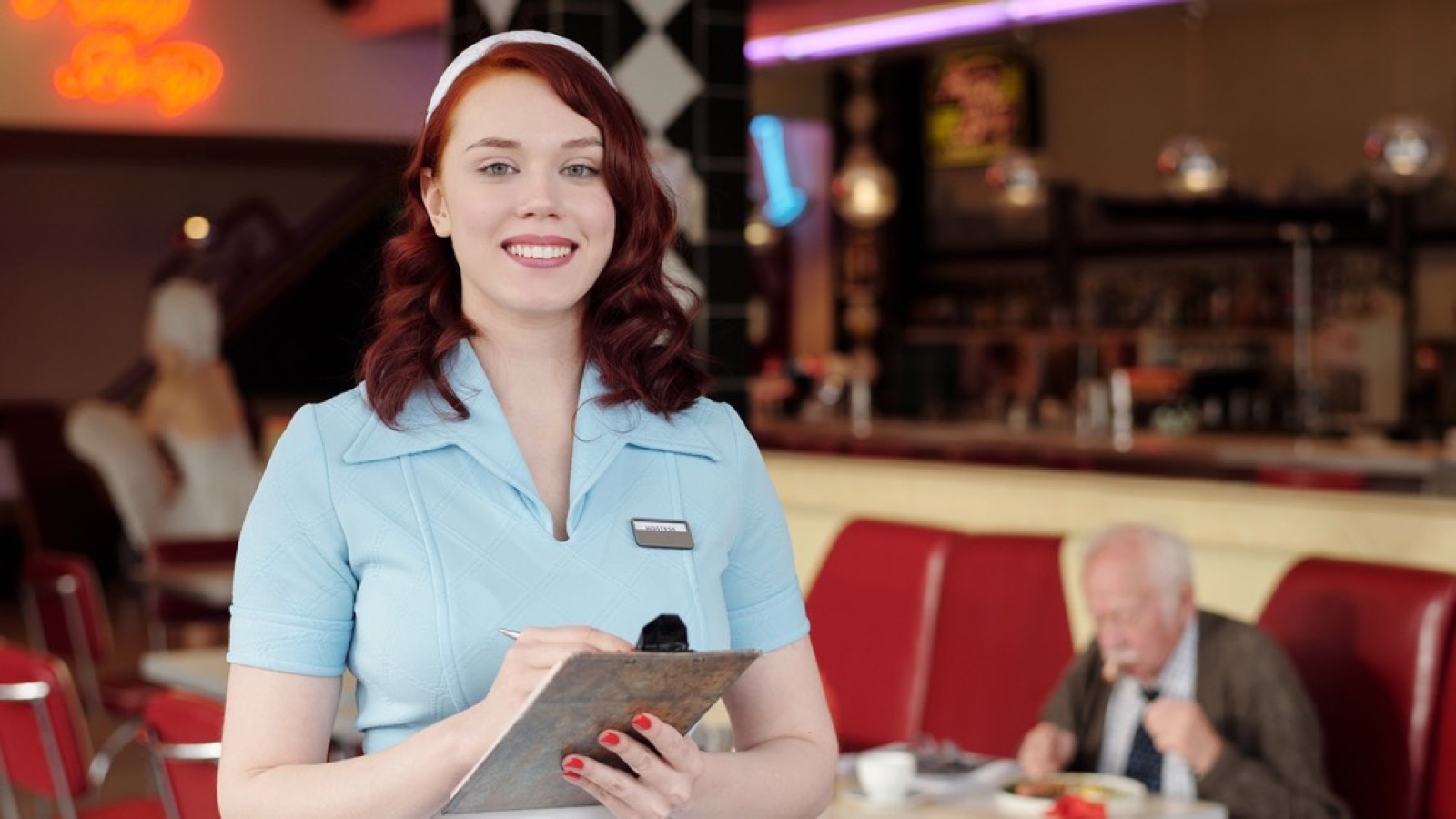
“Hon” was the king of diner nicknames. It was short for honey, and waitresses used it for everyone, from truck drivers to teenagers to the town banker. It was quick, warm and easy to say a hundred times during a busy breakfast rush, which is exactly why it caught on.
The word became so tied to diner culture that Baltimore later turned it into a local symbol, celebrating the beehive hairdos and cat-eye glasses of the classic “Hon” waitress at its yearly HonFest. For many older Americans, hearing “What’ll it be, hon?” is enough to bring back the smell of bacon and fresh coffee. It was never meant to be romantic, just a sign that you were welcome.
2. Sugar
“Sugar” was the sweeter cousin of hon, and it was especially common in Southern diners and truck stops. A waitress might set down a slice of pie and say, “There you go, sugar,” without a second thought. It carried a playful, motherly tone that put people at ease.
Older customers often remember that the waitresses who used “sugar” were the same ones who knew everyone’s order by heart. They would ask about your mother, remember your kids’ names and scold you if you skipped breakfast. The nickname was part of a whole style of service that felt more like family than business.
3. Sweetie and Sweetheart
“Sweetie” and “sweetheart” were often saved for children and older ladies, though they could land on anyone. A little boy perched on a counter stool with a milkshake was almost always a “sweetie.” So was a grandmother who came in every Tuesday for a grilled cheese and a cup of tea.
These words had a way of softening the hustle of a busy diner. When the kitchen was slammed and orders were running late, a waitress could buy a little patience with a smile and a “Be right with you, sweetheart.” Many customers say it worked like a charm, and they never felt rushed even when the place was packed.
4. Doll
“Doll” had a touch of old Hollywood glamour, and it was popular with waitresses in big-city diners and lunch counters. It showed up in movies and TV shows of the era, and it fit right in with the fast talk of a New York or Chicago counter. Women customers were often “doll,” but men could get it too.
The word carried a wink of humor. A seasoned waitress might call a nervous young man “doll” just to watch him turn red, then top off his coffee without charging him. Many people who grew up in that era say it made them feel like a character in a black-and-white movie, if only for the length of a meal.
5. Mac, Bud and Pal
For male customers, especially working men, the nicknames often took a different turn. “Mac,” “bud” and “pal” were common ways to address a man whose name the waitress didn’t know. They were friendly but a little gruff, the kind of words you might hear at a hardware store or a gas station.
Truck drivers, construction workers and factory crews heading in for a dawn breakfast heard these names every day. A waitress might call out, “Coffee, Mac?” before the door even closed behind him. These nicknames matched the no-nonsense feel of a working diner, where food came fast, the portions were big and nobody wasted words.
6. Dearie and Dear
“Dearie” and “dear” had an old-fashioned, almost grandmotherly feel even back in the 1960s. They were most often used by older waitresses who had been working the same counter for decades. Coming from them, the word sounded both kind and a little bossy, as if you were about to be told to finish your vegetables.
These women were legends in their own diners. They knew which regulars took cream, which ones wanted their eggs “dropped” and which ones always asked for extra pickles. Many customers say being called “dear” by one of these veterans felt like an honor, a sign that you had earned your place among the regulars.
7. Your Usual Order
The highest compliment a diner waitress could pay wasn’t a pet name at all. It was being greeted by your order. A regular might walk in and hear, “Two over easy and rye toast?” before saying a word. In some diners, the waitress simply called a customer by what they always ate, like “Mr. Tuna Melt” or “Cherry Pie.”
This kind of greeting showed that you were part of the place. Diners were often the center of small-town life, where farmers, shop owners and families crossed paths every day. Being known by your order meant you belonged, and for many people that feeling was just as satisfying as the food.
Why the Nicknames Faded
Over time, diner culture changed. Chain restaurants spread along the highways, bringing scripted greetings and uniform service rules. Many companies began discouraging servers from using pet names, worried that some customers might find them disrespectful or too personal. Today, a server is more likely to say “folks” or “you guys” than “hon.”
Some people welcome the change. They never liked being called “sweetheart” by a stranger and prefer a more professional tone. Others feel that something warm was lost along the way. They remember the days when the waitress at the counter felt like a friend and a quick cup of coffee came with a little affection on the side.
Where You Can Still Hear Them
The good news is that the old nicknames haven’t disappeared completely. Many family-owned diners, especially in small towns and in the South, still have waitresses who call everyone “hon” or “sugar.” Some of them have worked the same counter for 30 or 40 years, and they aren’t about to change now.
If you want a taste of the past, look for a classic diner with a long counter and a pie case near the register. The American diner has survived drive-thrus, delivery apps and changing tastes, and many of the best ones still serve breakfast all day. Some of the most famous spots are featured in this list of classic American diners, and most of them still pour coffee the old-fashioned way.
The next time a waitress calls you “hon,” take it as a compliment. It’s a small link to a time when a diner was more than a place to eat. It was a place where everybody, even a stranger, was treated like a regular.