9 Things Grandma Always Kept in Her Refrigerator Door
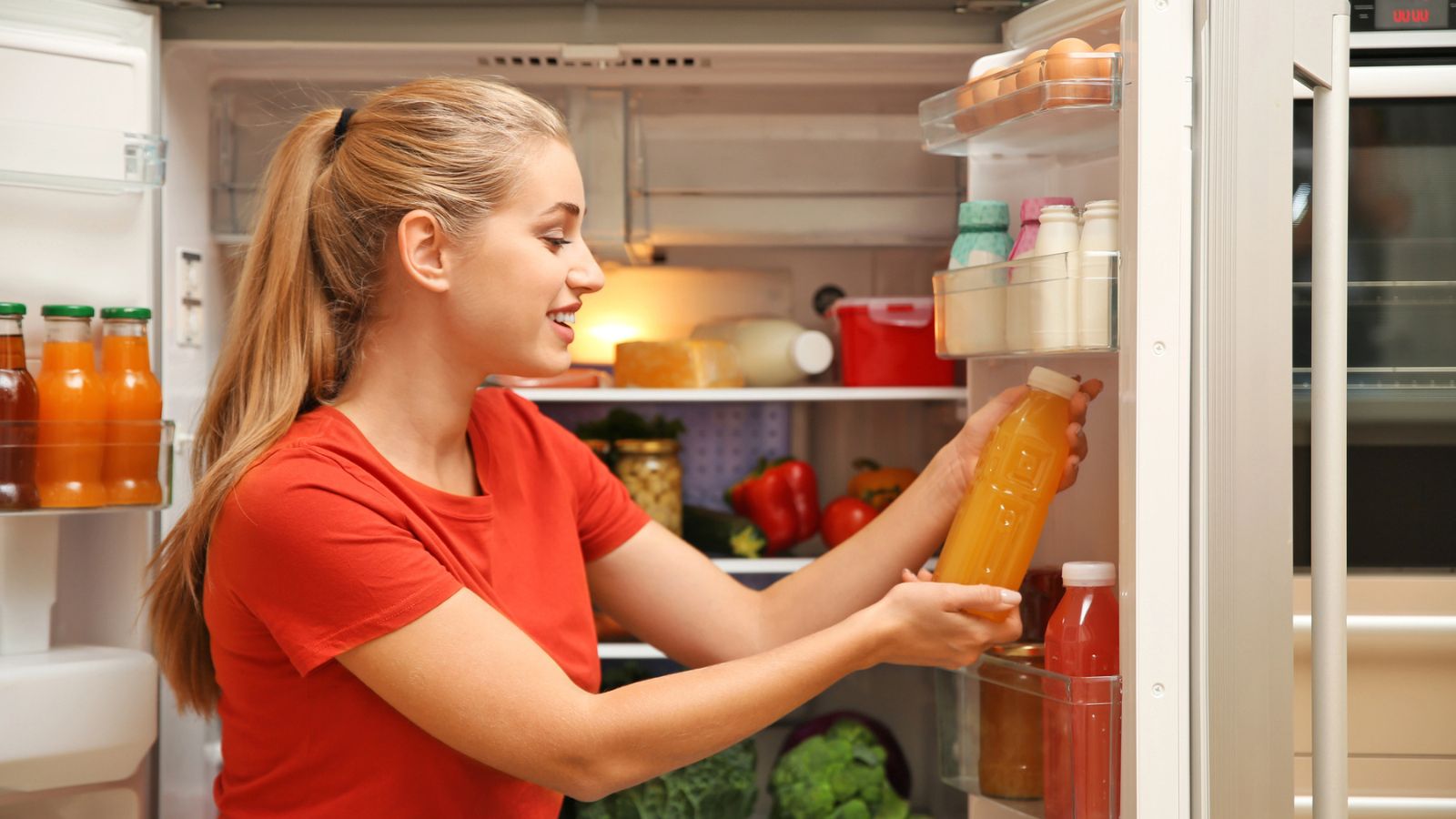
Open the door of Grandma’s refrigerator, and you could learn a lot about her. The shelves inside held the Sunday roast, the Jell-O salad and the leftovers wrapped in foil. But the door was where the real personality lived. Lined up in neat little rows were the jars, bottles and odds and ends that told the story of how she cooked and lived.
Many people still remember standing in Grandma’s kitchen, door wide open, scanning those shelves while she reminded them they were letting the cold out. Some of what she kept there would look familiar today. Other things might puzzle anyone born after 1980.
These were the staples that gave her cooking its flavor and kept her kitchen running. Here are the things Grandma always seemed to have in her refrigerator door.
1. A Coffee Can of Bacon Grease
Okay, technically, many grandmothers kept their bacon grease in a can or jar by the stove. But plenty of them kept it in the refrigerator door, where it would stay fresh longer. Grandma saved every drop from the breakfast skillet to fry eggs, season green beans and make cornbread.
That jar of drippings was one of the secrets behind her cooking. It added smoky, savory flavor to just about everything. Today, many cooks are rediscovering the habit, since bacon grease is a free way to add rich flavor to vegetables, potatoes and gravies.
2. A Jar of Maraschino Cherries
That bright red jar of maraschino cherries was a fixture in many grandmothers’ refrigerators. They topped ice cream sundaes, decorated pineapple upside-down cake and added a festive touch to fruit salads and holiday cookies.
Grandkids often snuck a cherry or two straight from the jar when Grandma wasn’t looking. She also used them in drinks, like the Shirley Temples she made for the kids and the Manhattans or old-fashioneds she made for the adults during holiday parties.
3. A Tub of Margarine or a Butter Dish
Many grandmothers kept a tub of margarine in the door, especially during the decades when it was widely promoted as a substitute for butter. Brands like Imperial, Parkay and Blue Bonnet were common. Others kept a stick of real butter in the little covered compartment that many older refrigerators had built right into the door.
Of course, once the margarine tub was empty, it never got thrown away. It was washed and reused to store leftovers, buttons or just about anything else. Opening a margarine tub at Grandma’s house was always a gamble, since it might be full of last night’s gravy instead.
4. Homemade Jams and Jellies
Grandma’s refrigerator door was often lined with jars of homemade jam, jelly and preserves. Strawberry, grape, peach and blackberry were favorites, and many were made from fruit she picked herself or bought by the bushel at a roadside stand.
Once a jar was opened, it went into the door, where it stayed handy for morning toast and biscuits. Many grandmothers also kept a jar of apple butter or pepper jelly to serve with crackers and cream cheese when company dropped by.
5. Pickles of Every Kind
Dill pickles, bread-and-butter pickles, sweet gherkins and pickled beets were staples in many grandmothers’ refrigerators. Some were store-bought, but many were homemade, put up in summer from cucumbers grown in the backyard garden.
Pickles were served alongside sandwiches, chopped into potato salad and set out on relish trays at holidays. Some grandmothers also kept pickled eggs, chow-chow or pickled okra, depending on where they lived. A refrigerator door without a pickle jar felt incomplete.
6. Miracle Whip or Mayonnaise
Families tended to fall firmly into one camp or the other, and Grandma’s refrigerator door showed which side she was on. Some swore by tangy Miracle Whip, introduced by Kraft in 1933, while others wouldn’t use anything but real mayonnaise from brands like Hellmann’s or Duke’s.
Whichever she chose, that jar got a workout. It went into tuna salad, egg salad, deviled eggs, potato salad and countless sandwiches. Many family recipes still specify one or the other, and some grandkids remain fiercely loyal to Grandma’s choice.
7. Ketchup, Mustard and Worcestershire Sauce
The basic condiments were always there, standing tall in the door. Ketchup for meatloaf and burgers, yellow mustard for hot dogs and ham sandwiches and a bottle of Worcestershire sauce for steaks, meatloaf and Bloody Marys.
Worcestershire in particular was a secret weapon in many grandmothers’ kitchens. A few dashes added depth to gravies, stews, deviled eggs and cheese spreads. Lea & Perrins, the best-known brand, has been sold in the United States since the 1800s.
8. A Bottle of Lemon Juice
Many grandmothers kept a plastic lemon-shaped bottle of ReaLemon juice in the refrigerator door. It was a convenient way to add a splash of lemon to iced tea, fish, pies and salad dressings without buying fresh lemons.
Lemon juice was also a key ingredient in many old recipes, like lemon meringue pie, homemade lemonade and icebox pies made with sweetened condensed milk. Some grandmothers also used it around the house for cleaning and polishing.
9. Eggs in the Built-In Tray
Many older refrigerators came with a built-in egg tray in the door, with little round cups for each egg. Grandma filled it carefully, often with eggs from a local farm or her own backyard chickens.
Today, food safety experts actually recommend storing eggs on a shelf inside the refrigerator, where the temperature is colder and more consistent. The FDA advises keeping eggs at 40°F or below. But for decades, that egg tray in the door was just part of how kitchens worked.
More Than Just Food
Grandma’s refrigerator door often held more than food. Some grandmothers kept film canisters, batteries or even nail polish in there, believing the cold helped them last longer. Others stored medicine that needed refrigeration or a small box of baking soda to absorb odors.
The outside of the door was its own museum, covered with magnets, grandkids’ drawings, church bulletins, photos and recipe cards. It was a snapshot of family life, and many people can still picture it clearly decades later.
The Refrigerator Itself
Many grandmothers had refrigerators that lasted for decades. Avocado green, harvest gold and coppertone brown models from the 1960s and 1970s were common, and some kept running well into the 1990s. Older models often had a small freezer compartment inside that needed regular defrosting, a chore many grandkids remember.
Grandma’s refrigerator was also often packed to the brim, especially around the holidays. She knew exactly where everything was and could find the cranberry sauce behind three casseroles without looking. Trying to fit one more dish in there was a skill only she seemed to have mastered.
A Window Into Grandma’s Kitchen
The refrigerator door might seem like a small thing, but it held the everyday essentials that made Grandma’s cooking so special. Those jars of pickles, jams and bacon grease were part of a way of life built on thrift, home cooking and making the most of what you had.
Next time you open your own refrigerator, take a look at what’s in the door. Chances are, a few of Grandma’s favorites are still there, keeping her memory alive one jar at a time.