8 Foods Boomers Ate as Kids That Are Now Called Superfoods
Boomers who grew up in the 1950s and 1960s often laugh when they see what is trendy in health food stores today. Many of the foods now sold as “superfoods” in fancy packages at high prices were everyday staples in their childhood kitchens. Their mothers and grandmothers served them because they were cheap, filling, and available, not because anyone called them healthy.
Back then, nobody talked about antioxidants, probiotics, or omega-3 fatty acids. Families simply ate what was in season, what they could grow, and what stretched the grocery budget. Some of these foods were not exactly loved by kids at the time, and many boomers remember being told to clean their plates.
Today, nutrition researchers have found that many of these old-fashioned foods are packed with nutrients. Here are eight foods boomers ate as kids that are now called superfoods, and why they earned their new reputation.
1. Oatmeal
A hot bowl of oatmeal was a common breakfast in boomer households, especially on cold winter mornings. Mothers cooked rolled oats on the stove and served them with milk, brown sugar, or raisins. It was cheap, filling, and quick.
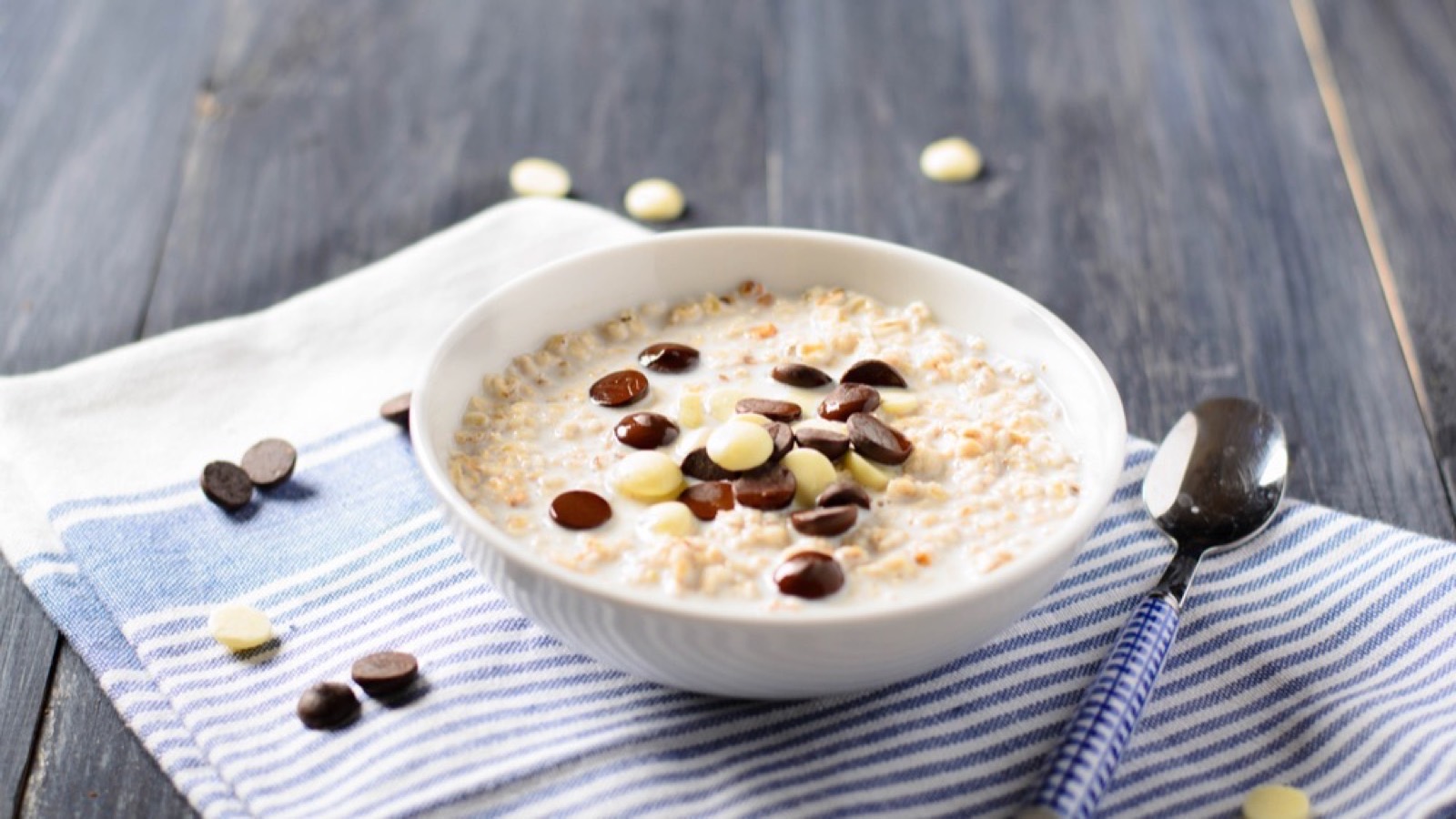
Today, oats are praised for their soluble fiber, especially a type called beta-glucan. Research has shown that oat fiber can help lower cholesterol, and the FDA has allowed foods made with whole oats to carry heart-health claims since 1997.
Oats are now sold in trendy forms like overnight oats and oat milk. But the simple bowl of oatmeal that boomers grew up eating is just as nutritious.
2. Sardines
Many boomers remember their fathers or grandfathers eating sardines straight from the can, often on crackers with a slice of onion. Sardines were cheap and shelf-stable, and they were a common lunch or snack in working-class homes.
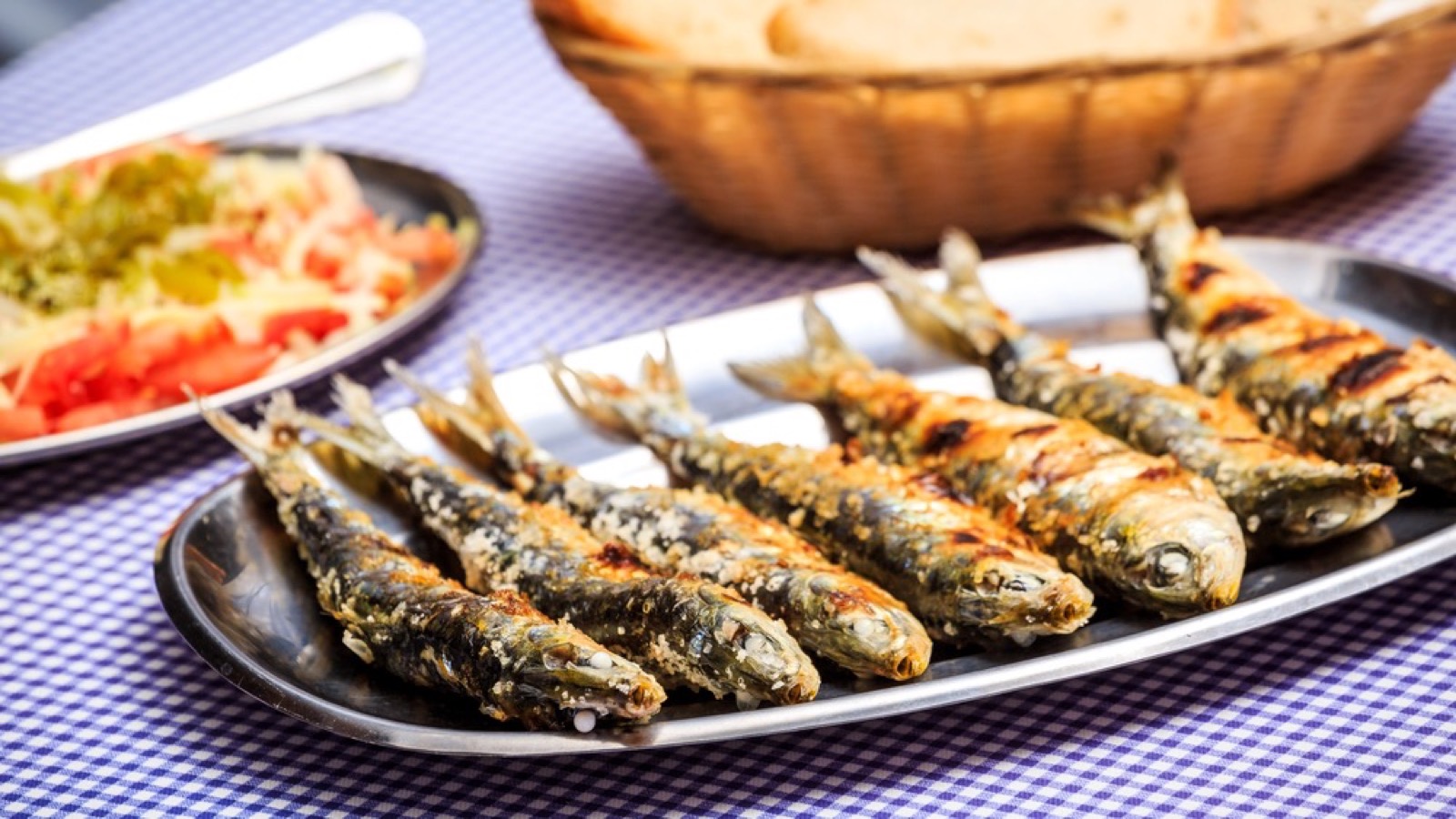
Today, sardines are celebrated as a nutritional powerhouse. They are rich in omega-3 fatty acids, protein, vitamin D, and calcium, since the small bones are edible. They are also low in mercury compared with larger fish.
Health experts often recommend sardines as an affordable way to get more omega-3s. The fish that many kids once turned their noses up at is now a favorite of nutritionists.
3. Liver
Liver and onions was a common dinner in many boomer homes, and plenty of kids dreaded it. Mothers served it because it was inexpensive and believed to be good for the blood. Many families ate it once a week.
Liver is one of the most nutrient-dense foods available. It is very high in vitamin A, vitamin B12, iron, and folate. Some modern health enthusiasts now call organ meats a superfood.
Because liver is so high in vitamin A, it is best eaten in moderation, especially for pregnant women. But in small amounts, it is a rich source of nutrients that many people lack.
4. Sauerkraut
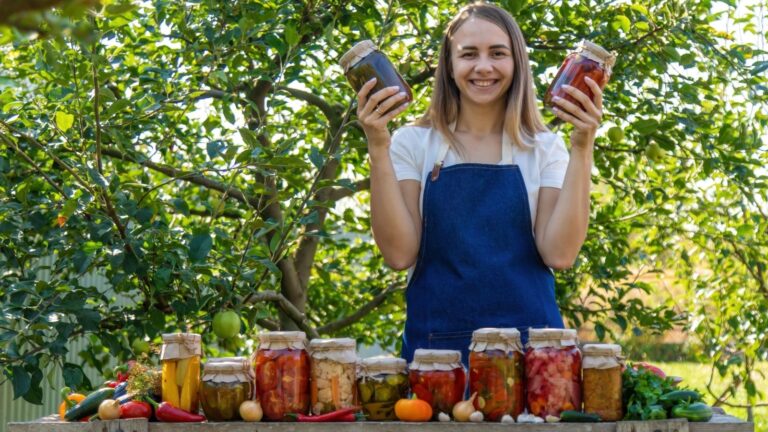
Sauerkraut was a staple in many homes, especially those with German or Eastern European roots. Families ate it with hot dogs, pork chops, and sausages, and some made it at home in large crocks. It was a way to preserve cabbage through the winter.
Today, fermented foods like sauerkraut are popular for their potential benefits to gut health. Raw, unpasteurized sauerkraut contains live bacteria, known as probiotics. Fermented foods are a major focus of research on the gut microbiome.
Most shelf-stable canned sauerkraut is pasteurized, which kills the live bacteria. Refrigerated, raw sauerkraut is the kind people seek out for probiotics. Either way, it is low in calories and high in fiber.
5. Buttermilk
Many boomers remember grandparents drinking a glass of cold buttermilk, sometimes with cornbread crumbled into it. Buttermilk was also used for baking biscuits, pancakes, and fried chicken. It was a common sight in many Southern and rural kitchens.
Traditional buttermilk was the liquid left after churning butter. Today’s cultured buttermilk is made by adding bacteria to milk, similar to yogurt. Fermented dairy foods like buttermilk, kefir, and yogurt are now praised for their probiotic potential.
Kefir, a tangy fermented milk drink, has become especially trendy. But many boomers say it reminds them of the buttermilk their grandparents loved.
6. Beans
Dried beans were a staple in boomer kitchens, especially in families on a tight budget. Navy beans, pinto beans, kidney beans, and black-eyed peas were cooked with ham hocks or salt pork. Bean soup and chili were common weeknight meals.
Beans are now considered one of the healthiest foods available. They are high in fiber, protein, potassium, and folate. The Harvard T.H. Chan School of Public Health notes that legumes are linked to better heart health and blood sugar control.
Beans also play a central role in the diets of the world’s longest-lived people. The humble bean that fed families during hard times is now celebrated as a superfood.
7. Sweet Potatoes
Sweet potatoes appeared on many boomer tables, especially at Thanksgiving, when they were baked with brown sugar and topped with marshmallows. In Southern homes, they were eaten year-round, baked, mashed, or made into pie.
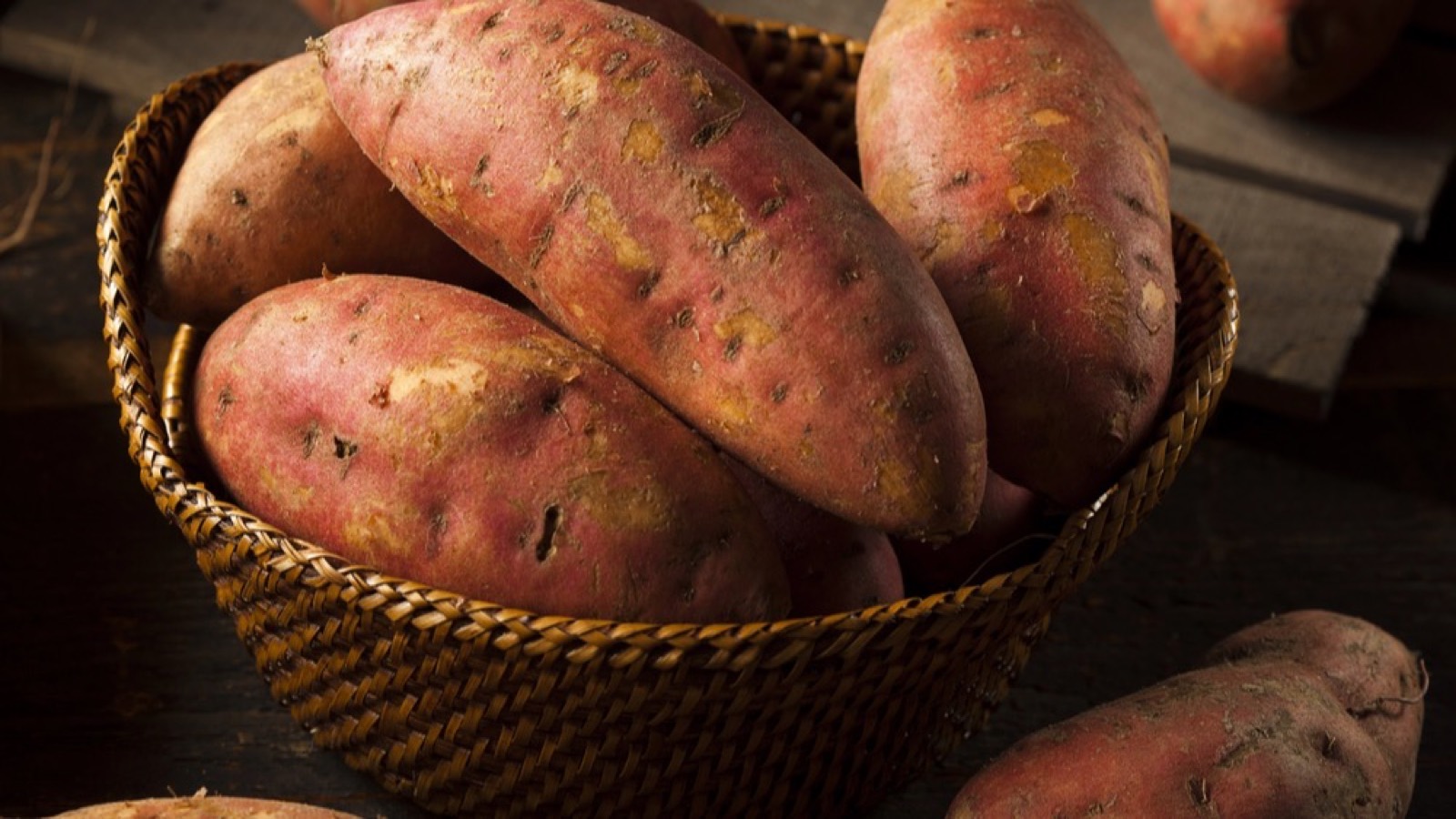
Sweet potatoes are rich in beta-carotene, which the body converts to vitamin A. They are also high in fiber, vitamin C, and potassium. Nutritionists often recommend them as a healthy alternative to white potatoes.
The marshmallow topping may not be health food, but the sweet potato itself earned its superfood status. Many families now roast them with olive oil and herbs instead.
8. Cottage Cheese
Cottage cheese was a diet staple in the 1960s and 1970s. Many mothers ate it with canned peaches or pineapple as a lunch, and it was a common side dish on salad bars. Some kids loved it, while others hated the texture.
For years, cottage cheese fell out of fashion. Recently, it has made a huge comeback, thanks to its high protein content. Social media is full of recipes for cottage cheese bowls, dips, and even ice cream.
Cottage cheese is rich in protein and calcium, and it is relatively low in calories. Boomers who ate it decades ago are watching it become trendy all over again. It is one of the boomer habits that are making a comeback.
Why Old Foods Are New Again
Many of these foods are being rediscovered because of a renewed interest in whole, simple foods. Nutrition research has found that traditional diets built around beans, whole grains, vegetables, and fermented foods have real health benefits. Many people are turning away from heavily processed foods.
There is also a strong nostalgia factor. Boomers are seeing the foods they grew up with return in new forms, often at higher prices. It is a reminder that Grandma’s cooking had more wisdom in it than many people realized. Many of those dishes are among the 8 fascinating foods Americans ate to get through the Great Depression.
The Lesson From Grandma’s Table
Boomers’ parents did not need fancy labels to feed their families well. They relied on cheap, filling foods that turned out to be packed with nutrition. Today, those foods are being celebrated again.
Which of these foods did you eat as a kid, and which one did you refuse to touch? Many readers say they still cannot face a plate of liver and onions.