How Much Cash Should You Keep at Home? The Amount Could Save You in an Emergency
Most people rarely think about how much physical cash they have available until something goes wrong. A card gets declined, a banking app stops working, an ATM runs out of money, or a power outage makes electronic payments difficult. Suddenly, having a few dollars in your wallet feels more important than it did the day before.
Digital payments have made everyday transactions easier, and many households now go days without handling physical money. However, relying entirely on cards, mobile payment applications, and online banking can leave people unprepared when those services become temporarily unavailable.
So, how much physical cash should an average household keep on hand?
A practical starting point is enough to cover three to seven days of essential expenses. The exact amount depends on household size, location, spending habits, and access to other financial resources. It is also important to distinguish between the money you carry every day and the emergency cash you keep somewhere secure at home.
Here are eight things to consider when deciding how much cash to keep available.
Start With Three to Seven Days of Essential Expenses

Rather than choosing an arbitrary amount, calculate what your household would need to get through several days without relying on electronic payments.
Think about groceries, transportation, basic household supplies, and other necessary purchases.
For example, a household that spends approximately $75 daily on essential expenses might consider keeping between $225 and $525 in accessible cash.
This is a starting point, not a strict financial rule. Households with different expenses may need considerably more or less.
The goal is to have enough money to handle temporary disruptions without having to make unnecessary withdrawals or borrow from someone else.
Related: Boomer Cooking Habits That Younger Generations Don’t Get
Keep Some Cash in Your Everyday Wallet
Emergency savings matter, but so does having a little physical money on hand when you leave the house.
Keeping approximately $40 to $100 in your wallet may be practical for some people, depending on their spending habits.
This money can cover small purchases, parking fees, tips, or unexpected transportation expenses.
You don’t need to carry hundreds of dollars everywhere. A modest amount provides flexibility without exposing your entire cash reserve to theft or accidental loss.
Maintain a Separate Emergency Cash Reserve at Home
Your everyday wallet and emergency reserve should serve different purposes.
Money kept at home can provide a backup when banks, payment networks, or ATMs become temporarily inaccessible.
A starting reserve of $200 to $500 may be reasonable for some smaller households, although families with greater expenses may need more.
Consider storing the money in a secure, discreet location that is protected from fire, moisture, and unauthorized access.
It should also be somewhere you can reach without difficulty during an emergency.
Keep Smaller Denominations Instead of Only Large Bills
Having physical cash is helpful, but the denominations matter.
Imagine trying to purchase a few groceries with a $100 bill when the store has limited change. You might discover that having money available doesn’t automatically make the transaction convenient.
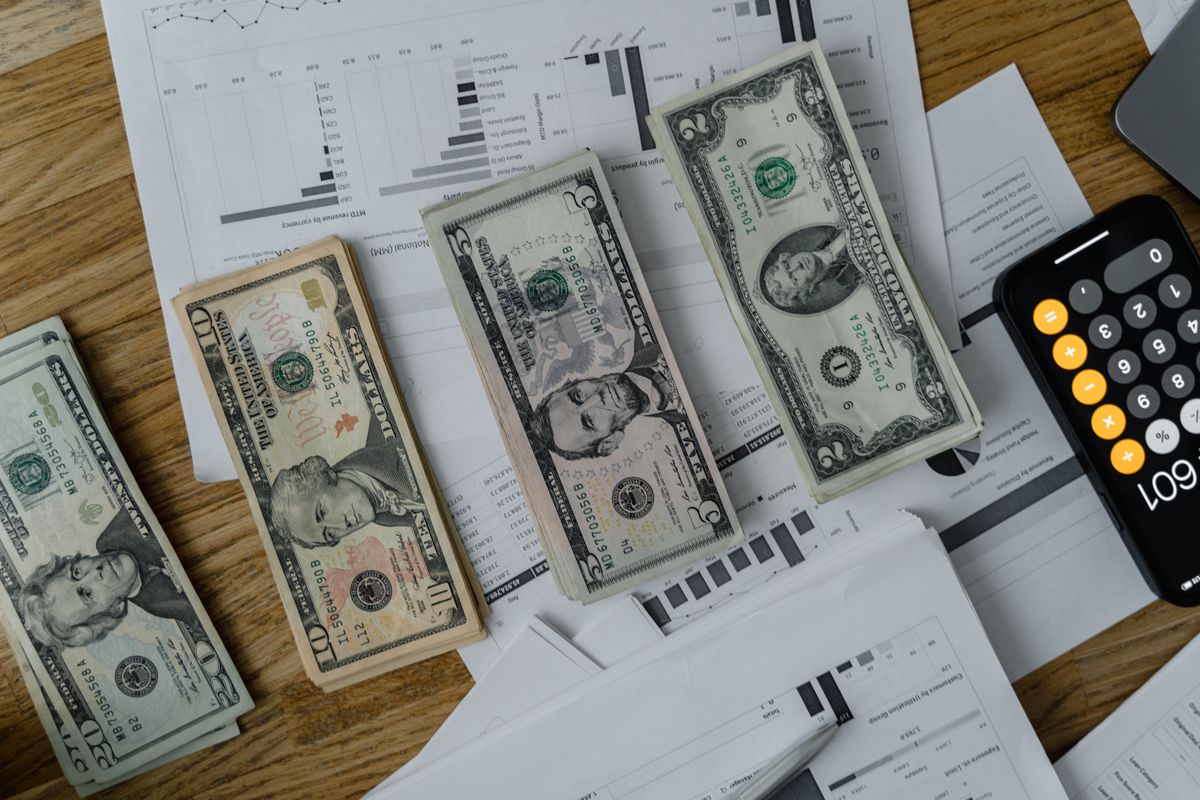
Keeping a mixture of $1, $5, $10, and $20 bills can make everyday transactions easier.
Smaller denominations are particularly useful during power outages, transportation disruptions, and situations where businesses temporarily rely on cash payments.
Related: 7 Outdated Manners That Make Younger Generations Cringe
Remember That ATMs and Banks May Not Always Be Accessible
Many people assume they can withdraw cash whenever they need it.
However, severe weather, power outages, technical problems, and other disruptions can temporarily affect banking services.
During emergencies, ATMs may also have long lines or run out of available cash.
This doesn’t mean people should withdraw all their savings. It simply means keeping a reasonable amount of physical money can provide another layer of financial preparedness.
A small reserve can make a difficult situation easier to manage.
Don’t Keep Your Entire Emergency Fund in Cash
Emergency cash and emergency savings are different.
Physical money is useful for immediate purchases, but keeping thousands of dollars at home creates other risks.
Cash can be stolen, lost, or destroyed in a fire. It also doesn’t earn interest and may gradually lose purchasing power because of inflation.
For this reason, most emergency savings should generally remain in a safe, accessible financial account.
The physical cash reserve should complement your savings rather than replace them.
Adjust Your Cash Reserve to Your Household’s Needs
No single amount works for every household.
A person living alone with few daily expenses may need considerably less physical cash than a family with children, multiple transportation needs, and several household responsibilities.
People in rural areas may also have different cash needs than those in cities where electronic payments are widely accepted.
Consider your normal expenses, the services available in your area, and how long you might need to manage without electronic transactions.
Review the amount occasionally, particularly when your household expenses change.
Make Cash Part of a Larger Emergency Plan
Physical cash is only one part of preparing for unexpected disruptions.
A household emergency plan should also consider drinking water, nonperishable food, essential supplies, medication, flashlights, batteries, and important contact information.
The Federal Emergency Management Agency (FEMA) encourages households to prepare for emergencies before they happen.
Having some physical money on hand can make it easier to buy essential items when electronic payment systems are unavailable.
However, cash cannot replace the other supplies and preparations that a household may need during a prolonged emergency.
Related: Outdated Beliefs Boomers Still Hold Onto
So, How Much Cash Is Enough?
For many American households, keeping approximately $300 to $1,000 in accessible physical cash may be a reasonable starting point, depending on household size and essential daily expenses.
A smaller amount may be sufficient for someone living alone, while a larger household may need more.
The most useful approach is to calculate what you would need for three to seven days of essential purchases and keep that amount available in a combination of everyday wallet cash and a secure home reserve.
You don’t need to abandon digital payments or start keeping large amounts of money under your mattress.
You simply need a backup plan.
After all, financial preparedness isn’t just about how much money you have in the bank. It’s also about whether you can access what you need when ordinary services stop working.
How much physical cash do you normally keep at home? Would you feel comfortable getting through a full week without using your bank card or mobile payment apps?