Why More Wives Are Walking Away in Midlife: 15 Reasons Some Marriages Don’t Survive the Years
For many couples, the early years of marriage are filled with excitement, shared dreams, and plans for the future. They build homes, raise children, establish careers, and spend decades creating a life together. But sometimes, after years of shared responsibilities and life’s challenges, one partner begins to question whether the marriage still makes them happy.
Increasingly, conversations about midlife divorce are focusing on women who decide they no longer want to remain in marriages that leave them feeling disconnected, unappreciated, or emotionally exhausted.
For some, the decision comes after years of unresolved problems. For others, it follows a major life transition, such as children leaving home, retirement, or a change in financial circumstances.
However, don’t assume every woman who divorces in midlife has the same experience. Men also initiate divorces, and many couples successfully navigate the challenges that come with growing older together.
Still, several reasons lead some wives to choose starting over over staying in an unhappy marriage.
They Have Spent Years Putting Everyone Else First

For many women, marriage and family life involve years of prioritizing other people’s needs.
They may spend decades raising children, supporting their husbands’ careers, managing household responsibilities, and maintaining family relationships.
During that time, personal ambitions and interests sometimes take a back seat.
As children grow older and household responsibilities change, some women begin asking themselves what they want from the next chapter of their lives.
They may realize they have spent years caring for everyone else while neglecting their own happiness.
Related: 9 Things Toxic People Do When They Feel You Pulling Away
Emotional Neglect Has Become Impossible to Ignore
A marriage can remain intact for decades while emotional intimacy gradually disappears.
Some couples keep living together, paying bills, attending family events, and maintaining household routines without meaningful conversations about their feelings.
A wife may eventually become tired of feeling lonely despite sharing a home with her husband.
She might want affection, emotional support, and genuine interest in her everyday experiences.
When attempts to reconnect repeatedly fail, the emotional distance can become difficult to overcome.
Their Children Have Finally Left Home
Adult children leaving home can significantly change a marriage.
For years, parenting may have provided couples with shared responsibilities and a common focus.
Once children leave home, spouses may discover that they have little in common beyond managing the household and maintaining familiar routines.
Some couples use this stage to rediscover one another. Others realize their relationship has been struggling longer than they acknowledged.
The transition can expose problems that were previously hidden behind the demands of raising a family.
They Are Tired of Feeling Like Their Husband’s Caregiver
Some wives describe feeling less like romantic partners and more like people responsible for managing every aspect of household life.
They may organize appointments, remember family birthdays, manage social obligations, coordinate children’s activities, and handle everyday domestic responsibilities.
This invisible work can become exhausting when one partner feels the burden is not shared fairly.
Over time, resentment may develop.
Some women eventually decide that they no longer want a marriage in which they feel responsible for managing another adult’s life.
Years of Unresolved Arguments Have Taken Their Toll
Most married couples disagree occasionally.
However, repeatedly arguing about the same issues without reaching a meaningful resolution can gradually damage a relationship.
Some wives become exhausted by conversations about money, household responsibilities, parenting, relatives, or communication.
The problem is not necessarily the disagreements themselves. It is the feeling that nothing ever changes.
When one partner loses confidence that problems can be resolved, the marriage may become increasingly difficult to maintain.
They Have Become Financially Independent
Financial circumstances can influence someone’s ability to leave an unhappy marriage.
A woman who previously depended entirely on her husband’s income may have fewer practical options if the relationship becomes unhealthy.
After years of working, saving, building a career, or acquiring assets, she may have greater financial independence.
This doesn’t mean financial independence causes divorce.
Rather, having the resources to support herself can make leaving a difficult marriage more realistic for someone who has already been considering separation.
They No Longer Feel Appreciated
Small expressions of appreciation can make a significant difference in long-term relationships.
Unfortunately, some couples gradually stop acknowledging one another’s contributions.
A wife may feel that her work, sacrifices, emotional support, and efforts to maintain the household have become invisible.
She might not expect constant praise, but she wants to know that her husband recognizes what she brings to the marriage.
When appreciation disappears for years, even ordinary interactions can begin to feel transactional.
Infidelity Has Destroyed Their Trust
Infidelity can create serious damage in a marriage, particularly when dishonesty continues after an affair is discovered.
Some couples manage to rebuild trust through honesty, accountability, and sustained effort.
Others never recover from the experience.
For a wife who discovers repeated cheating, the decision to leave may come after years of trying to forgive and move forward.
Midlife can also prompt a reassessment of whether tolerating broken trust is worth the emotional cost.
They Have Grown Apart Over the Years
People change as they age.
Their interests, priorities, ambitions, beliefs, and expectations may look very different at 50 than they did at 25.
Some couples grow together by remaining curious about one another and adapting to new circumstances.
Others gradually develop separate lives.
They may have different social circles, hobbies, financial priorities, or ideas about retirement.
Eventually, one or both partners may feel the relationship no longer reflects who they have become.
They Want More Emotional and Physical Intimacy
Intimacy can change throughout a long marriage.
Stress, aging, health changes, relationship conflict, and everyday responsibilities can influence how couples connect physically and emotionally.
Some wives become frustrated when affection, meaningful conversations, and romantic attention disappear from their relationships.
They may miss feeling desired and valued as romantic partners rather than simply being viewed as mothers, homemakers, or household managers.
When these concerns remain unaddressed, dissatisfaction can grow.
Retirement Brings Relationship Problems to the Surface
Retirement can be an exciting milestone, but it also changes everyday routines.
Couples who previously spent much of their time working may suddenly find themselves together for most of the day.
Differences in expectations can become more obvious.
One partner may want to travel, socialize, and explore new interests, while the other prefers a quieter lifestyle.
Some couples adapt comfortably. Others struggle with the adjustment, especially when unresolved disagreements become harder to avoid.
They Have Stopped Recognizing Themselves
Midlife can encourage people to reconsider how they have spent their lives.
Some women begin pursuing interests they postponed for years, reconnecting with old friends, returning to education, or exploring professional opportunities.
During this process, they may question whether their marriage still allows them to develop as individuals.
This doesn’t mean personal growth requires divorce.
However, when a relationship consistently discourages independence or personal development, some women may decide they need a different environment.
Related: 8 Little Things You Say That Hurt Your Partner
They No Longer Want to Tolerate Disrespect
Repeated humiliation, controlling behavior, verbal abuse, and intimidation can seriously undermine a marriage.
Some women remain in difficult relationships for years because of financial concerns, children, family expectations, or fear of starting over.
Eventually, they may decide that remaining in such an environment is no longer acceptable.
Leaving an abusive relationship can be complicated, and women facing these circumstances may need professional, legal, or family support.
Respect and safety are basic requirements of a healthy marriage, regardless of how long a couple has been together.
They Have Become Less Afraid of Starting Over
Divorce later in life can bring uncertainty.
There may be concerns about finances, housing, friendships, retirement plans, and the possibility of finding companionship again.
However, some women eventually decide that uncertainty is preferable to remaining in a relationship that makes them consistently unhappy.
They may also have stronger support networks, greater self-confidence, and a clearer understanding of what they want.
Starting over at 45, 55, or 65 can be challenging, but age alone does not determine whether someone can build a satisfying new chapter.
They No Longer Believe Staying Married Is Always the Best Option
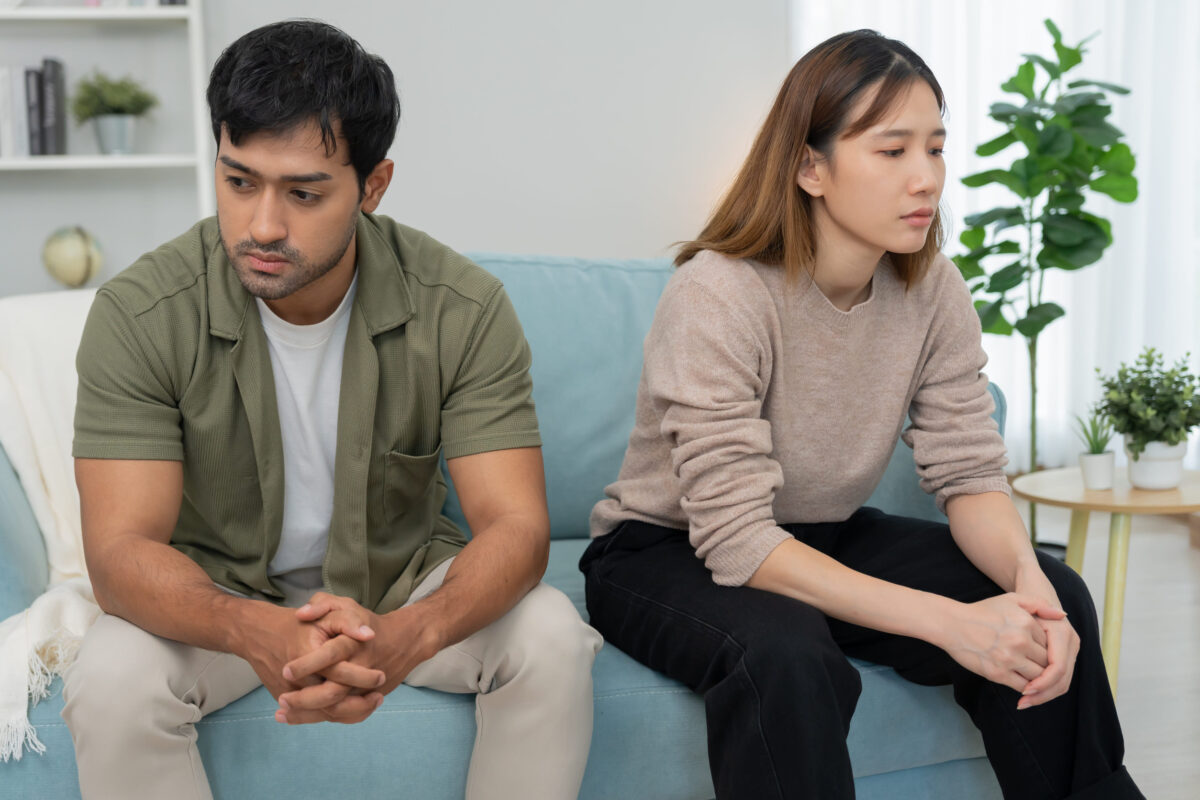
Perhaps one of the biggest changes is how some women view marriage itself.
Previous generations often faced considerable social pressure to remain married regardless of their personal circumstances.
Today, some women are more willing to question whether preserving a marriage is necessarily better than ending it.
They may value companionship and commitment but no longer believe those things require staying in an unhappy or unhealthy relationship.
For them, divorce is not necessarily a rejection of marriage. It may be a decision to stop maintaining a relationship that no longer works.
Related: 8 Hidden Habits That Quietly Push Your Wife Away
Why Midlife Can Become a Turning Point for Marriage
Midlife often brings major changes that affect relationships.
Children become independent, careers evolve, retirement approaches, financial priorities shift, and people begin thinking differently about how they want to spend the years ahead.
For some couples, these changes create opportunities to reconnect and build a stronger partnership.
For others, they expose problems that have been present for decades.
It is also important to remember that divorce is rarely explained by one factor alone. Financial pressures, communication problems, infidelity, unequal responsibilities, and changing expectations can overlap.
Deciding to end a long marriage is rarely simple, especially when children, shared property, and decades of memories are involved.
Ultimately, a long marriage is not automatically a happy marriage, just as a midlife divorce does not automatically mean someone has failed.
Sometimes couples find ways to rebuild their relationship. Sometimes they decide that separate lives are healthier.
Do you think more women are walking away from long marriages because their expectations have changed, or because they are no longer willing to tolerate problems they once accepted?