How Much Cash Should You Keep at Home? Financial Experts Explain What You Really Need
Your bank account has money in it, your credit card is ready, and you’re confident you can pay for whatever you need. Then the card reader stops working. The nearest ATM won’t connect, and suddenly, having money in the bank doesn’t feel quite as useful as it did a few minutes ago.
Situations like this can happen during power outages, severe weather, banking disruptions, or even an unexpected credit card block.
That’s why keeping some physical cash available is still worth considering. But how much is enough? Financial planners have suggested keeping between $50 and $100 in your wallet as a starting point. The amount you keep at home is a separate decision, depending on your household’s immediate needs.
Here are seven things to consider before deciding how much emergency cash to keep nearby.
Start With $50 to $100 in Your Wallet
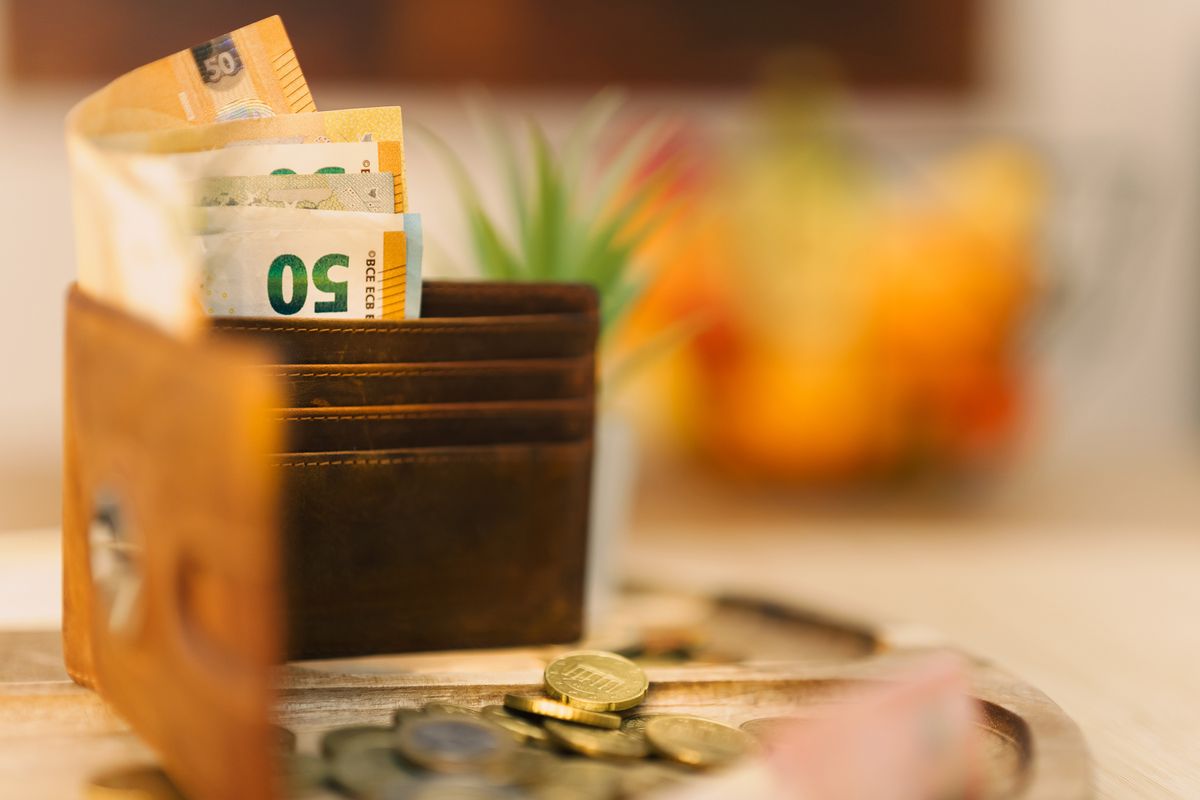
You don’t necessarily need hundreds of dollars in your pocket every day. According to financial planners interviewed by CNBC Make It, keeping between $50 and $100 in your wallet can be a reasonable starting point.
Certified financial planner Christopher Rand recommended that range, explaining that it provides money for an unexpected expense without creating too much financial stress if the wallet gets lost.
Another financial planner, Leslie Beck, recommended carrying at least $50 for unexpected situations and outages.
Of course, your daily routine matters. Someone who regularly pays for parking, transportation, meals, or small purchases with cash may need a little more.
A practical way to decide is to consider what you might need to pay for if your usual payment method suddenly stopped working. Having enough for transportation home or an unexpected meal can make a frustrating day easier to manage.
The Cash You Keep at Home Has a Different Purpose
Your wallet money and your household emergency cash shouldn’t necessarily be the same amount. The money in your wallet is meant for relatively small, immediate expenses. The cash stored at home serves a different purpose: helping your household manage essential purchases when ATMs, banking services, or card payments become temporarily unavailable.
According to FEMA’s financial preparedness guidance, households should keep a small amount of cash in a secure location because electronic payment systems and ATMs may not work during a disaster.
Importantly, FEMA doesn’t prescribe a universal amount such as $500 or $1,000. Instead, it recommends considering your family’s basic needs, including food, fuel, and other everyday necessities.
For example, a household that already has food and other supplies available may need less immediate cash than a family that expects to purchase essentials or evacuate.
The best approach is to estimate what your household might realistically need rather than withdrawing a large amount simply because a particular number sounds reassuring.
Don’t Confuse Emergency Cash With Your Emergency Savings
This is where many people can misunderstand financial preparedness. Keeping physical money at home is not the same as building an emergency savings fund.
The Consumer Financial Protection Bureau describes an emergency fund as money set aside for unexpected expenses, such as car repairs, medical bills, or a loss of income. That money doesn’t need to be stored entirely in banknotes.
In fact, the FDIC encourages households to maintain emergency savings while keeping only a modest amount of physical cash available for immediate needs.
Think of the two categories this way:
Wallet cash: For small purchases, transportation, tips, and unexpected payment problems.
Home emergency cash: For essential purchases when normal payment systems aren’t available.
Emergency savings: For larger financial disruptions, unexpected bills, and interruptions in income.
Keeping all your emergency savings in physical currency creates unnecessary exposure to theft, loss, or damage.
Your bank savings and your small cash reserve should work together, not compete with each other.
You Don’t Need a Natural Disaster to Lose Access to Your Money
A major storm or widespread power outage isn’t the only reason to keep cash nearby.
Sometimes, the problem is much smaller.
Your bank might temporarily block a transaction because it suspects fraud. Your phone battery might die when you need to make a mobile payment. A payment terminal might stop working at a business where you regularly shop.
One financial planner interviewed by CNBC described beginning to keep a couple hundred dollars available after a credit card transaction was declined because of suspected fraud.
Another planner, Leslie Beck, recalled the difficulties accessing ATMs and internet services in areas affected by Hurricane Sandy.
These examples illustrate an important distinction: sometimes you have money available, but you temporarily lose access to your usual way of spending it.
The FDIC warns that banking disruptions can make ordinary purchases difficult and recommends keeping some cash available for such situations.
Physical currency is not guaranteed to work everywhere, particularly if a business cannot operate at all. However, it gives you another payment option when electronic systems become unreliable.
Keep Small Bills Instead of Only $100 Notes
Having $100 in emergency cash sounds useful until you need to purchase something inexpensive and the seller cannot provide change. That’s why the denominations you carry matter almost as much as the total amount.
Ready.gov recommends keeping small bills for emergency situations. FEMA’s preparedness guidance specifically discusses carrying a mixture of $1, $5, and $10 bills, with $20 bills as the highest denomination.
This makes everyday transactions easier when businesses have limited change available.
For instance, someone carrying a mixture of smaller notes can pay for a modest purchase without depending on a store having enough change for a large bill.
You don’t need to follow one exact combination. The idea is to avoid keeping your entire emergency reserve in large denominations. A little variety can make your cash more practical when you actually need to use it.
Your Location and Household Size Should Influence the Amount
There isn’t one cash target that works for every household.
A single person living near several working ATMs may have different needs from a family with children living farther away from banking facilities.
FEMA and the FDIC both encourage households to consider their immediate needs when deciding how much physical currency to keep.
Think about a few practical questions:
How many people depend on your emergency reserve?
How much might you need for food and transportation?
Do you have enough supplies at home to avoid immediate shopping?
Could an emergency require you to purchase fuel or temporary accommodation?
How easily can you access another ATM or functioning payment location?
The Federal Reserve’s 2026 Diary of Consumer Payment Choice also found differences in cash usage across locations. In 2025, rural consumers averaged nine cash payments per month, compared with six among urban and suburban consumers.
That doesn’t mean rural households officially need more emergency cash. It simply shows that people’s everyday payment habits can differ depending on where they live.
Your own routine and access to payment services are better guides than copying somebody else’s cash target.
Store Your Emergency Cash Somewhere Secure
Once you’ve decided how much cash to keep, think carefully about where it belongs. Leaving an envelope of money in an obvious drawer might make it easy to find, but it also creates an opportunity for theft or accidental loss.
The FDIC recommends keeping emergency cash accessible while protecting it from damage. Suggestions include placing it in a waterproof bag inside a fire-resistant box or safe.
A locked storage container can also provide an additional layer of protection.
Remember, though, that physical cash is not invulnerable. The Consumer Financial Protection Bureau warns that money kept as cash can be lost, stolen, or destroyed.
You should also avoid assuming that homeowners insurance will automatically reimburse the entire amount. Coverage depends on the actual policy, including applicable limits and deductibles. Check your policy documents rather than relying on general assumptions.
The goal is to keep your reserve available when needed without exposing more money than necessary.
Build a Cash Reserve That Matches Your Actual Needs
You don’t need to withdraw thousands of dollars to become better prepared for a payment disruption.
Start with a practical wallet reserve of $50 to $100, then calculate what your household might need for essential purchases if electronic payments temporarily become unavailable.
Keep that money separate from your broader emergency savings, use smaller denominations, and store it somewhere secure.
The smartest emergency cash plan isn’t about keeping the most money at home. It’s about having enough accessible currency to handle the expenses that matter when your usual payment options aren’t available.