A TikToker Says Black Friday Used to Be Worth It, Then Acted Out Today’s Fine-Print Deals, Sparking Debate About Whether Sales Have Shrunk
If you are reading this with a cup of coffee and a browser full of open tabs, one TikToker has a theory you might relate to. Black Friday, she says, used to feel like a giveaway, and now it feels like a math quiz. Her quick impression of the way sales have changed racked up about a million views in a few days.
The creator, @julieannuhh on TikTok, posted the clip on Nov. 21, and The Daily Dot reported on it on Nov. 24. It’s a comedic bit built on exaggeration, not a price study, so nobody should take her numbers literally. But the reaction says a lot about how shoppers feel heading into the biggest sale weekend of the year.
The Good Old Days, Exaggerated
The first half of the video plays the role of Black Friday past. In her telling, it was all buy one, get three free, spend $50 and walk away with a $50 gift card, and three-for-$10 bins with signs basically begging you to take everything home.
It’s an affectionate cartoon of the doorbuster era, when families planned the whole weekend around store flyers. Anyone who remembers that rhythm will enjoy our look back at what families did on Thanksgiving weekend before Black Friday took over.
Then Came the Fine Print
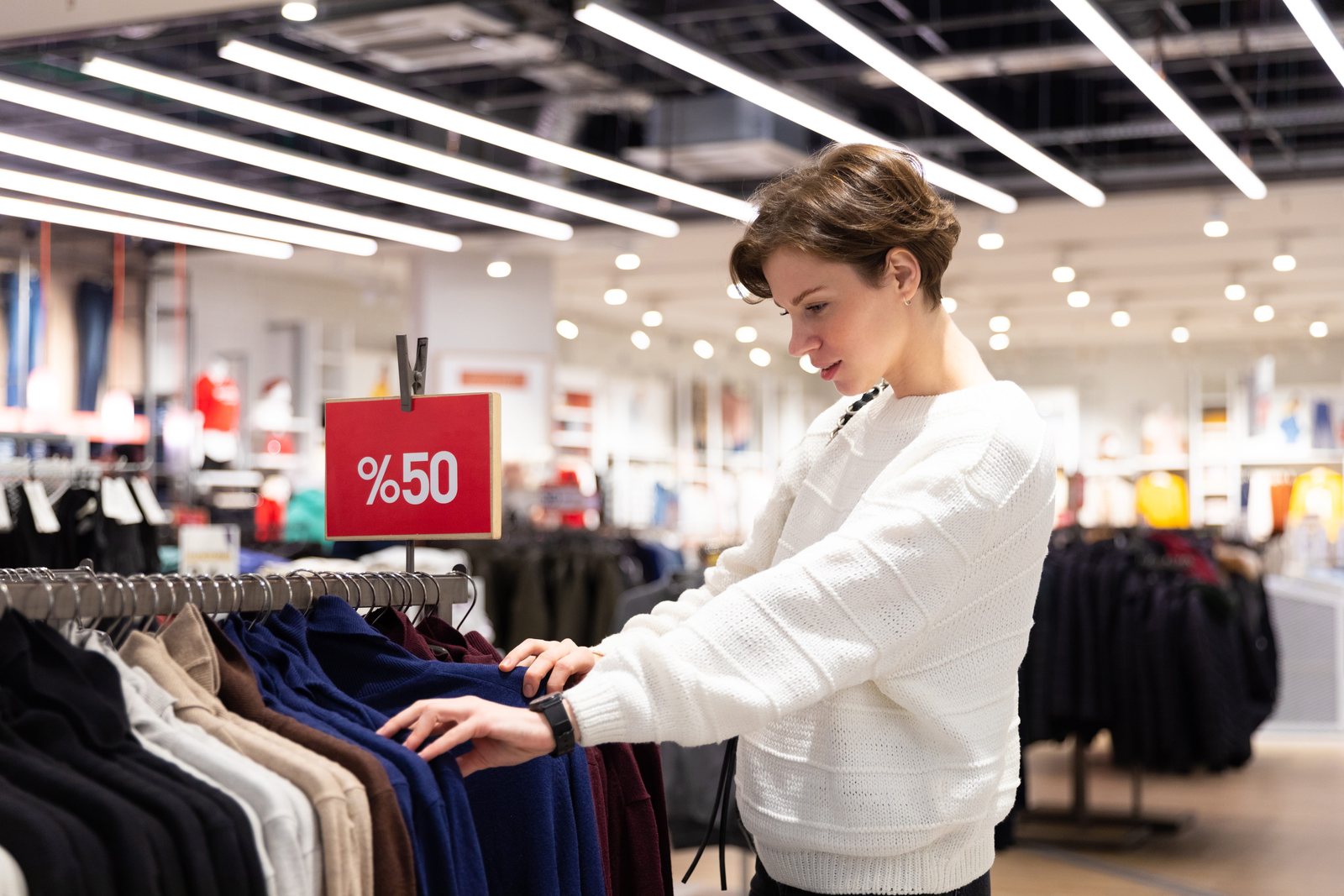
The second half flips to today. Buy one and, as she puts it, get out. Spend $100 and save $7. Take 15% off select products. Free shipping, but only if you spend $150.
The joke lands because almost everyone has stared at a banner that promised big savings and then watched the cart total barely budge. It’s the same skepticism behind our list of things to think twice about buying on Black Friday.
The Up to 80% Off Problem
The comments quickly became a support group. One of the most popular themes was the “up to” sign. Viewers joked that a store promising up to 80% off has exactly one deeply discounted item, usually a lonely pair of socks, while everything else is a few dollars off.
Others said the one great deal is always in a size nobody wears. The humor is broad, but the frustration underneath it is real, especially for shoppers trying to stretch a holiday budget.
BOGO, Reconsidered
Several commenters went after buy-one-get-one deals, claiming some stores price the first item high enough that the free one isn’t really free. One person rebranded BOGO as “buy one, get out,” which may be the most honest marketing phrase of the season.
Those are viewers’ impressions, not documented cases, and plenty of BOGO offers are perfectly good deals. Still, it’s a good reminder to compare the per-item price before you celebrate.
Do Stores Raise Prices First
Another common claim in the comments was that some stores quietly raise prices in the weeks before Black Friday, then advertise a discount back to the usual price. That’s a serious accusation, and the video doesn’t prove it happens anywhere in particular.
There are rules on the books about it, though. The Federal Trade Commission’s Guides Against Deceptive Pricing say a former price used in a sale comparison should be a genuine price the item was actually offered at for a reasonable stretch of time. An inflated price created just to make a markdown look bigger counts as a false bargain under those guides.
Shoppers Are Still Showing Up
For all the grumbling, Black Friday is far from dead. The National Retail Federation’s annual survey estimated that about 182.7 million people planned to shop over Thanksgiving weekend this year, slightly fewer than last year. Black Friday remained the most popular day, with 69% of holiday shoppers planning to shop, and 48% said the deals were simply too good to pass up.
The same survey found 60% of shoppers had started holiday buying by early November, which helps explain why the weekend can feel less frantic than it used to. If you’re still sorting out your list, there are plenty of practical picks out there, from gifts for the cat people in your life to a kitchen command center for holiday planning. Some shoppers are skipping the mall entirely and spending on hosting instead, like a Friendsgiving drinks station that gets used all season.
Budgets Are Doing the Talking
The NRF survey also found that 82% of shoppers were taking steps to manage holiday costs, including buying less expensive gifts and buying for fewer people. That lines up with the mood in the comments. People aren’t against sales; they just want the sale to be worth the parking.
The Other Side of the Counter
A few viewers pushed back on the nostalgia. Some said they remember the old doorbusters as mostly long lines for a handful of items, with most shoppers leaving empty-handed. Others pointed out that online sales now start weeks early, so the deals are spread out rather than gone.
Retail workers in the comments mostly laughed along, noting they don’t set the prices, they just hang the signs.
How to Shop Smarter Today
The takeaway from the comments is practical. Check the price history on big purchases before the sale starts, compare the per-item cost on bundle deals, and read the fine print on free shipping thresholds. And if the only thing marked 80% off is a single pair of socks, it’s fine to walk away.
The Bottom Line
@julieannuhh’s video works because it’s funny and a little too familiar. Whether Black Friday has truly gotten worse or our memories have gotten rosier is up for debate. So which side are you on this morning? Are the deals still worth the trip, or has “up to” become the most important word on the sign?