7 Things You Should Never Do With an Old Bank Account
Almost everyone has one: the savings account opened in high school, the checking account from a bank you left two moves ago, or the little joint account you set up for a vacation fund and never touched again. Old accounts are easy to forget, and that’s exactly the problem.
An account that sits quietly can lose money to fees, get flagged as dormant or even be handed over to the state. The good news is that a little attention fixes most of it. Here are seven things you should never do with an old bank account, plus what to do instead.

1. Never Just Forget It Exists
When an account goes long enough with no deposits, withdrawals or contact from you, the bank may classify it as dormant. After a period set by state law, the money is turned over to the state as unclaimed property.
According to the National Association of Unclaimed Property Administrators, about 1 in 7 people have unclaimed property waiting for them, and searching is free through official state programs. It’s worth a look, especially if you’ve moved or changed banks over the years. Many people say losing track of small accounts is one of their common adulthood regrets.
2. Never Ignore Mail From That Bank
Banks usually send notices before they make changes, such as new fees, account conversions or a warning that an account looks inactive. If those letters are going to an old address, or straight into the recycling bin, you may miss your chance to act.
Update your mailing address and email with every bank where you still have money, even a small amount. And while you’re at it, remember that real notices come by mail or through your secure login, not from a surprise caller; here are the things you should never tell a caller who says he’s from your bank.
3. Never Let Monthly Fees Chip Away at It
Many accounts carry a monthly maintenance fee if the balance drops below a minimum, and some charge for inactivity or paper statements. A $5 or $10 fee doesn’t sound like much until it has quietly eaten an old $200 balance.
Look up the account’s current fee schedule online or call the bank. If the account no longer earns its keep, it may make sense to move the money somewhere that does. The same thinking applies to the tips in our guide to things you should never do with your savings account.
4. Never Close It With Payments Still Attached
That old checking account may still be connected to a streaming service, a gym membership or an insurance premium you forgot about. The Consumer Financial Protection Bureau advises making sure no checks are outstanding and no fees or automatic payments are still scheduled before you close an account.
Spend 15 minutes scrolling through recent statements, move each automatic payment to your current account and wait for it to go through once before you close the old one. It’s the kind of small task that’s easy to put off, so if procrastination is your weak spot, these tips to stop procrastinating may help.
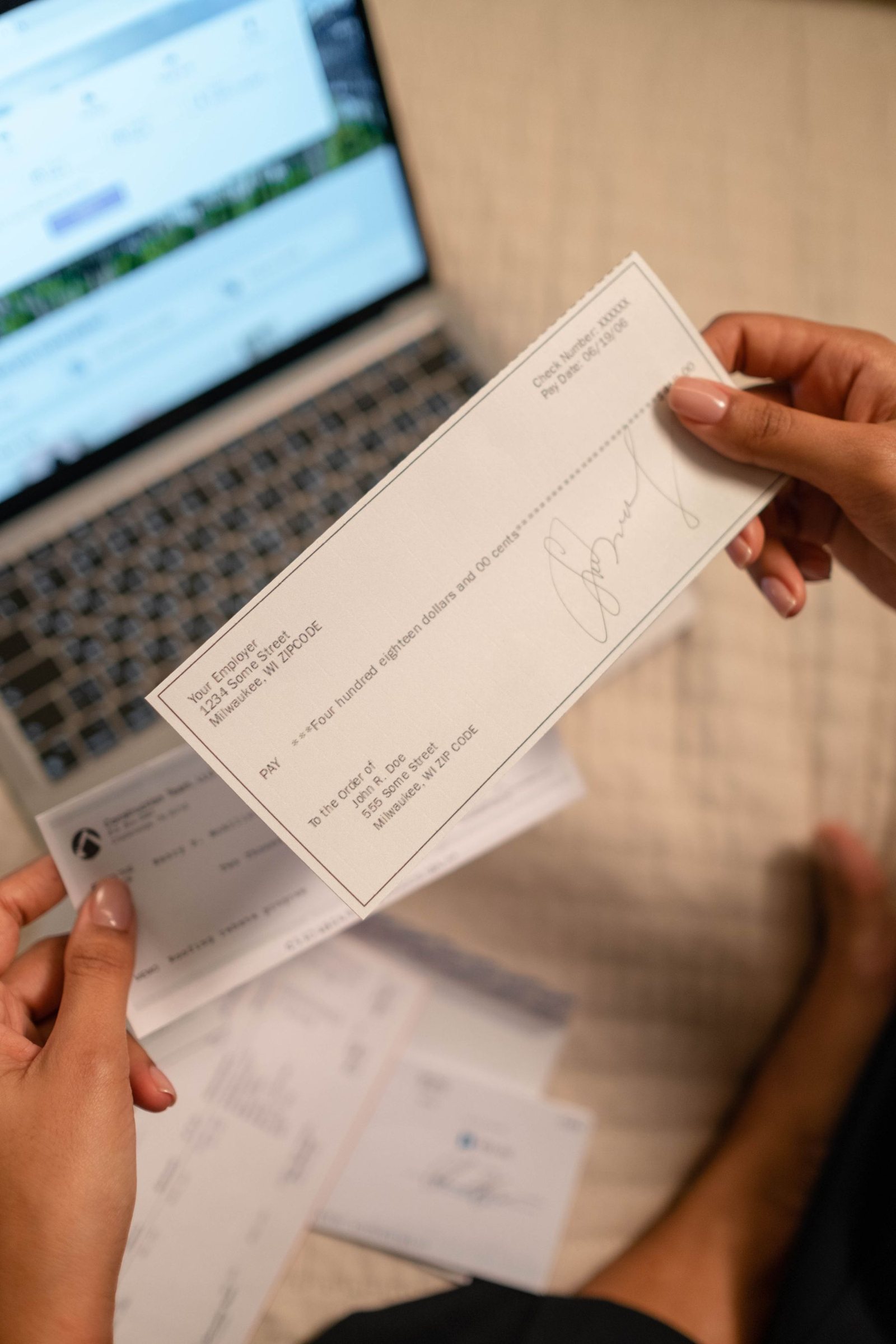
5. Never Walk Away With a Negative Balance
If an old account dips below zero because of a forgotten charge, the bank may require you to cover it before closing. The CFPB also notes that bounced items can trigger fees and may affect your ability to open a checking account later. Bring the balance to zero, ask for the account to be closed, and request written confirmation for your records. Retirees often say tidying up loose ends like this made life simpler, one of the things nobody tells you about early retirement.
6. Never Leave It Without a Beneficiary or Updated Owners
Old accounts often list a former spouse, a late parent or nobody at all as the person who would receive the money. Many banks let you add a payable-on-death beneficiary with a simple form, which can make things easier for your family later.
It also helps to understand how your deposits are covered. The FDIC insures deposits up to $250,000 per depositor, per insured bank, for each account ownership category, and it offers tools to check your coverage.
7. Never Toss Old Checks and Statements in the Trash
Even after an account is closed, old checks and statements carry your name, address, account number and bank routing number. Shred them rather than tossing them in the kitchen trash, and do the same with debit cards tied to the account.
Keep any records you need for taxes or important purchases, and let the rest go to the shredder.
A forgotten bank account isn’t a disaster, but it’s a loose end. Pick one evening, list every account you’ve ever opened, check your state’s unclaimed property site, and either put each account to work or close it the right way. Your future self will thank you.