A Family Was Sent Back to Venezuela. Hours Later, an Earthquake Took a Father’s Life
Less than two weeks ago, Johana Pineda’s life still had the ordinary rhythm of a working family in Tennessee. There was work, school break, martial arts practice for her 7-year-old son, and the quiet hope that life in America, however uncertain, could still be built one careful step at a time. Then came an immigration check-in, a sudden removal from the United States, a flight to Venezuela, and a disaster no family could have prepared for. Her husband, Richard Pereira, survived the journey back. He did not survive the building collapse that followed hours later.
According to ABC News, Pineda, Pereira, and their son had been living in Nashville, Tennessee, where both parents worked for Amazon and their child was taking martial arts classes during summer break. The family had entered the U.S. in 2022 on humanitarian parole, had begun the asylum process, and, Pineda said, had complied with routine ICE check-ins.
A Routine Check-In Became a Family’s Last Day in America
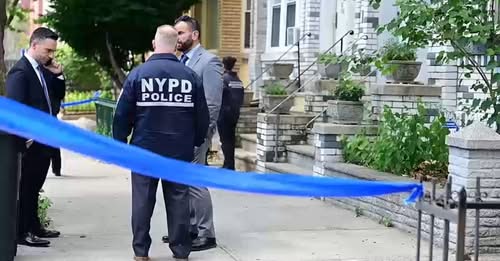
Pineda said the family went to what they believed was another immigration appointment. Instead, she said authorities gave them a choice: detention or voluntary departure. She told ABC News that the family chose to leave to avoid being detained. According to her account, they were told they had until August 15 to depart, but would need to wear ankle monitors and report weekly.
Then, Pineda said, everything changed.
When the family returned for a check-in, she said an ICE agent told them they were leaving that day. There was no long goodbye, no time to carefully pack up a life, no gentle way to explain to a child that home had suddenly become temporary. Pineda said she started crying, her son heard everything, and her husband, whom she described as a man who rarely cried, began to tear up too.
The family was taken to Texas and later placed on a flight to Venezuela. For many families, deportation is already a rupture. In this case, it marked the beginning of a tragedy layered atop another tragedy.
A Hotel, a Quake, and a Desperate Search in the Rubble
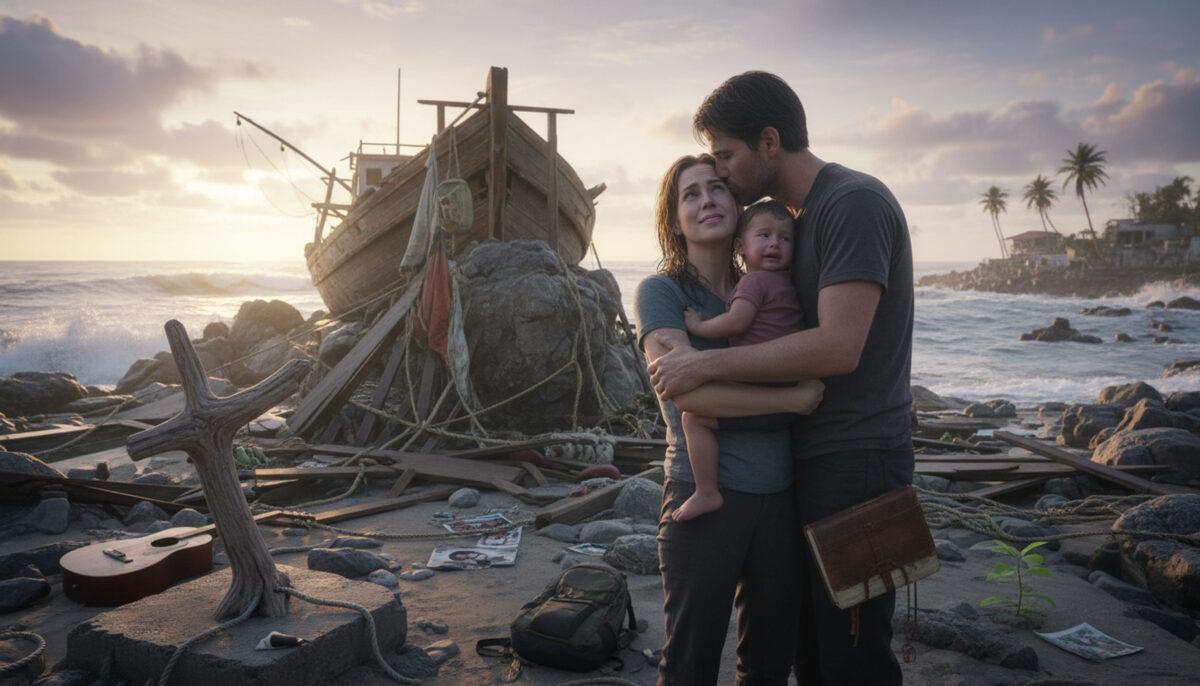
After arriving in Venezuela, Pineda said deportees were taken to a hotel near La Guaira, a coastal area outside Caracas. Men and women were placed in separate rooms, meaning she and her husband were not together when the earthquakes struck.
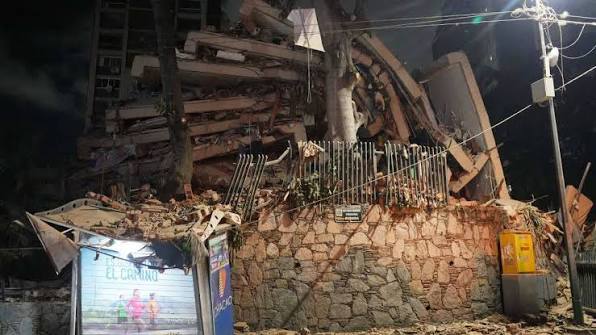
The building collapsed that afternoon.
In the chaos, Pineda said she grabbed her son and shielded him with her body. She later described searching for a way out through the dust and broken concrete. Her son was small enough to fit through an opening and screamed for help. Both survived. Pereira did not. Pineda said she learned the next day that her husband had died from his injuries at a hospital.
The wider disaster was catastrophic. ABC News reported that more than 2,500 people had died from the earthquakes, citing Venezuelan officials, while nearly 50,000 were still unaccounted for, according to the International Rescue Committee. The IRC also said survivors were struggling with shortages of safe water, food, medicine, and basic supplies after the quakes damaged communities across Venezuela.
The hotel’s collapse has raised urgent questions because it was reportedly housing more than 100 people recently deported from the United States. Survivors and families are now left asking why vulnerable deportees were taken there, how quickly they were moved after arrival, and whether more lives could have been protected.
A Widow Left With Questions No Answer Can Soothe
For Pineda, the story is not a policy argument first. It is a husband gone, a son without his father, and a life split into before and after.
She told ABC News she cannot understand why her family was removed so suddenly. “We did not even have a speeding ticket,” she said. She said they paid taxes, had no fines, and that her husband had a strong credit score. Her words carry the ache of someone who believed that following the rules would offer some kind of protection.
In response, a Department of Homeland Security spokesperson told ABC News that the June 24 flight safely reached Venezuela and that the people on board were returned. The spokesperson also said ICE is no longer responsible once someone is no longer in its custody.
That official explanation does little to soften what happened next.
A GoFundMe organized by Luisa Quintero Pineda, who identified herself as Johana’s niece, says Johana and her son now need help with funeral costs, medical bills, housing, food, school supplies, counseling, and basic living expenses as they try to rebuild. The fundraiser describes Richard as a loving husband, devoted father, and hardworking man whose priority was his family.
The cruelty of this story is not only that a father died in an earthquake. It is that he died during the fragile hours after his family was uprooted, while they were still trying to understand what had happened to their future. One week, they were a Nashville family getting through summer. Next, Johana was burying the man she had known since she was 13.
There are stories that feel too heavy for politics, yet impossible to separate from it. This is one of them. A mother survived by covering her child with her body. A little boy survived, but lost his dad. A family that thought it was preparing to leave in August was gone in June. And now, amid the rubble of a collapsed hotel in Venezuela, one question remains louder than all the others: how did a routine check-in end here?