A Lot of Parents Are Telling Their Kids to Pretend They Haven’t Studied So Classmates Won’t Bother Preparing for Exams Either
Imagine spending weeks preparing for an important exam, reviewing notes every evening and completing practice questions. Then, when a classmate asks how much you have studied, you casually reply, “I haven’t even started.”
It sounds strange, but some students deliberately hide how much they have prepared. Even more interestingly, some say their parents have encouraged them to keep their study habits private because sharing too much information could give classmates an advantage.
The idea has sparked conversations about academic competition, friendships, and the pressure students face to perform well. While there isn’t enough evidence to show this is a widespread parenting trend, student accounts and academic research reveal why some families and students approach studying this way.
When Parents Start Treating Classmates Like Competition
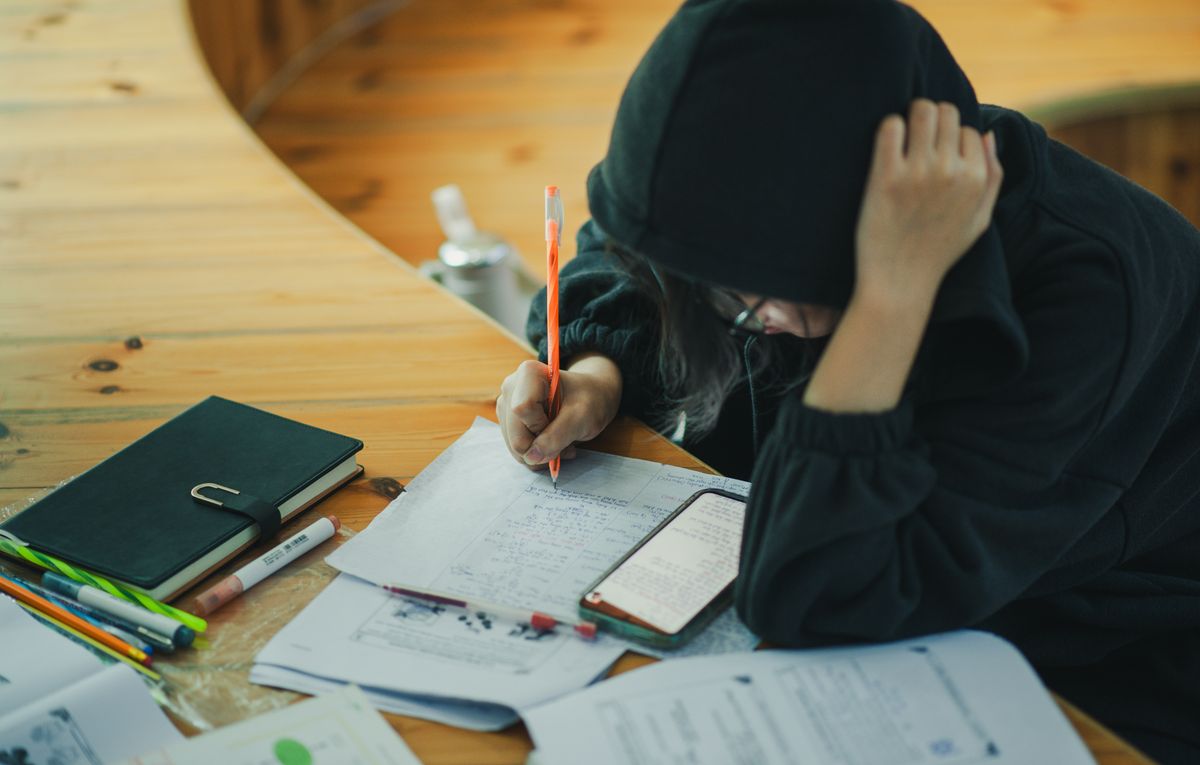
For some families, school is not simply about learning. It is also about getting better grades, earning scholarships, and securing opportunities that may be limited.
This attitude can sometimes influence how parents advise their children to interact with classmates. In one February 2025 discussion on Reddit’s r/india community, a student described how their parents reacted after they shared study techniques, books, and learning resources with friends.
According to the student, their parents warned them that sharing too much could allow classmates to outperform them. The student recalled being told to stop sharing study strategies because their friends might eventually “outshine” them.
It is an interesting example of how academic competition can enter family conversations. However, this is one anonymous account, not proof that parents everywhere give children the same advice.
There is also an important distinction between protecting personal study resources and encouraging children to lie about their preparation. Parents can reasonably teach children to maintain boundaries without asking them to mislead their classmates.
Why Some Students Pretend They Have Not Studied
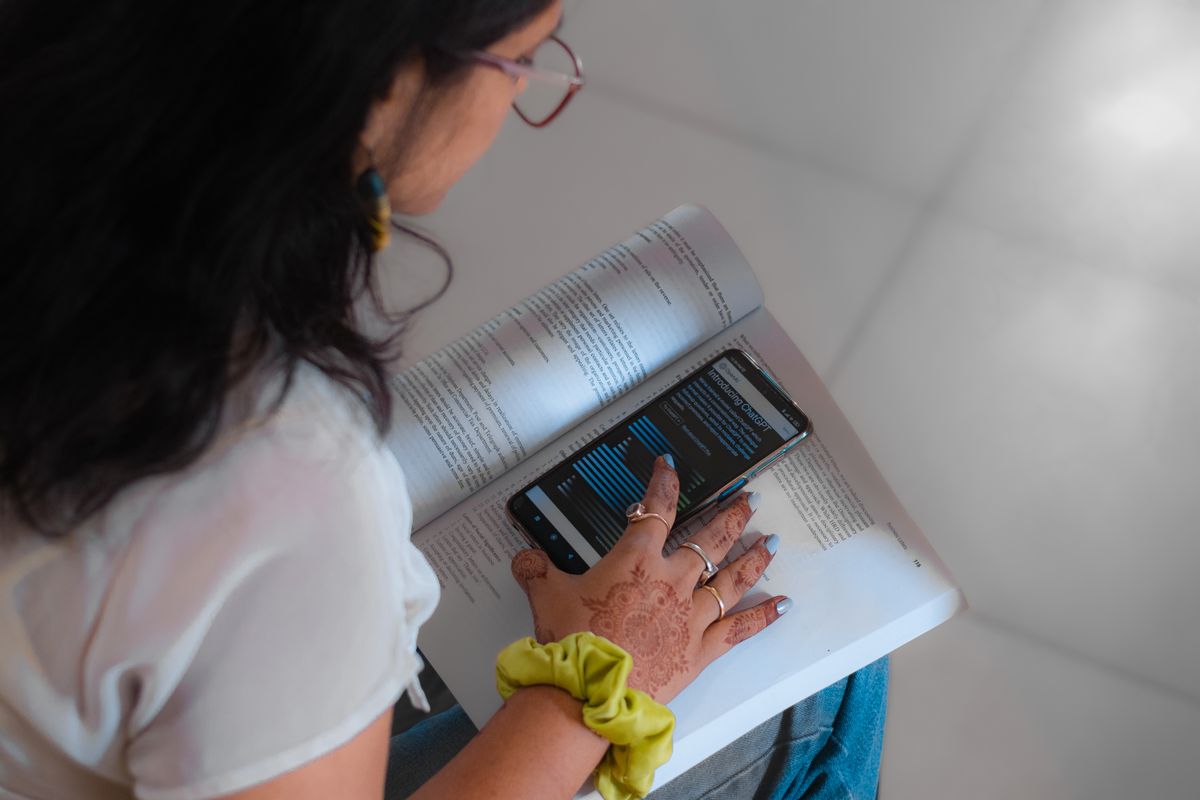
Sometimes, students decide to hide their preparation from their parents.
In the same Reddit discussion, one commenter admitted to pretending to have studied for only 30 minutes before an exam. The reason was simple: they wanted other people to think they were naturally intelligent.
This creates an interesting situation. A student can spend several weeks preparing but still act surprised when they receive a high grade.
For some teenagers, looking naturally smart feels more impressive than admitting they worked hard. They may worry that revealing their effort will make others judge them differently.
Other students hide their preparation because they fear embarrassment. Imagine telling everyone you studied for three weeks, only to get an average grade. That can feel uncomfortable, especially in a classroom where students constantly compare marks.
Pretending not to have prepared offers a convenient escape. If the result is disappointing, nobody knows how much effort went into it. If the result is excellent, the student may appear exceptionally talented.
Peer Pressure Can Influence How Students Approach Schoolwork
Academic competition is not just something students imagine. Research has shown that classmates’ opinions can influence educational decisions.
A 2015 study by economists Leonardo Bursztyn and Robert Jensen, published in the Quarterly Journal of Economics, examined how peer pressure affected students’ decisions to participate in free SAT preparation.
In nonhonors classes, 72% of students signed up when their decisions were private. That number dropped to 61% when classmates could find out whether they had signed up.
The findings suggest that some students may avoid visible academic effort because they are concerned about how their peers will perceive them.
A separate study by Bursztyn, Georgy Egorov, and Jensen, published in the Review of Economic Studies in 2019, found a similar pattern. Approximately 80% of students signed up for an SAT preparation opportunity when decisions were private, compared with 53% when participation was public.
These studies do not prove that parents are teaching children to hide their preparation. However, they demonstrate that social expectations can influence whether teenagers openly pursue academic opportunities.
The Pressure to Look Smart Without Looking Like You Tried
There is a difference between wanting good grades and wanting everyone to believe that good grades come naturally.
Psychologists have studied a behavior called academic self-handicapping. It describes situations where students create obstacles or reduce their effort so that poor results can be blamed on something other than their ability.
For example, a student might deliberately procrastinate or avoid preparing properly. If they perform badly, they can tell themselves that they would have succeeded if they had tried harder.
However, this is different from studying extensively and then pretending not to have studied. Both behaviors can involve protecting an image, but they should not be confused.
Research by Claudia Mueller and Carol Dweck, published in the Journal of Personality and Social Psychology in 1998, also explored how children respond to praise for intelligence compared with praise for effort.
Across six studies involving fifth graders, children praised for intelligence showed less persistence and enjoyment after experiencing failure than those praised for effort.
The findings offer one possible explanation for why appearing naturally intelligent can become important to some students. When being smart becomes part of someone’s identity, admitting that success required hard work may feel uncomfortable.
American Teenagers Face Both Academic and Social Pressure
The conversation is especially relevant in school, where teenagers try to balance academic performance with friendships and social acceptance.
According to a March 2025 Pew Research Center report, 68% of American teenagers feel at least some pressure to get good grades. Another 41% report pressure to fit in socially.
These pressures can overlap. A teenager may want excellent results while also worrying about being accepted by classmates.
This does not mean most American parents encourage dishonesty or that academic pressure automatically leads students to hide their preparation. It simply shows that teenagers are navigating different expectations at the same time.
Parents also care about academic performance for several reasons. The National Association for College Admission Counseling reported that 76.8% of surveyed colleges gave considerable importance to high school grades in college-preparatory courses during the fall 2023 admission cycle.
When families believe educational opportunities depend heavily on grades, competition can become part of everyday conversations at home.
Is Keeping Study Secrets Really a Bad Thing?
Not necessarily. Students can have private study routines, personal resources, and individual preparation strategies.
Nobody should feel obligated to share every textbook, tutoring arrangement, revision technique, or exam preparation resource with everyone in their class.
However, there is a difference between keeping something private and deliberately misleading other people.
Schools also benefit when students have opportunities to learn together. A 2008 meta-analysis by Cary Roseth, David Johnson, and Roger Johnson examined 148 studies involving more than 17,000 early adolescents.
The researchers found that cooperative learning was associated with higher academic achievement and more positive relationships among students than competitive or individualistic approaches.
That does not mean students must give away their answers or do other people’s assignments. It shows that learning and supporting classmates do not have to come at the expense of personal achievement.
Ultimately, parents can encourage children to work hard, protect their boundaries, and take their education seriously without teaching them that every classmate is a potential rival.
Getting a good grade is an achievement worth celebrating. But being able to say, “I worked hard for this,” should never feel embarrassing.