America’s Overpriced Cities Where Reality Feels Out of Reach
Some American cities still look like success stories on paper: high wages, booming industries, global appeal.
But for millions of residents, the reality tells a different story.
In 2026, housing costs in major U.S. metros are rising roughly 30%–80% faster than local wages, while in several top cities, fewer than 1 in 10 homes are affordable for the average worker. That gap is where “overpriced cities” are being defined today.
Here’s where the mismatch between cost and real-life living has become too big to ignore.
Los Angeles, California
Los Angeles remains one of America’s most desirable cities, but the financial pressure is intense.
Median home prices hover around $900,000–$1.1 million, while typical household incomes sit closer to $80,000–$90,000. That means buyers would need roughly 10–12x income multiples to comfortably afford a home, well above the recommended 3–5x range.
Even renters feel it. Average rents in many neighborhoods exceed $2,500–$3,200 per month, while commute times regularly stretch beyond 60–90 minutes daily.
The result: many residents are paying “coastal luxury prices” for what is often shared housing, long commutes, and financial trade-offs that leave little room for savings.
San Francisco & San Jose, California
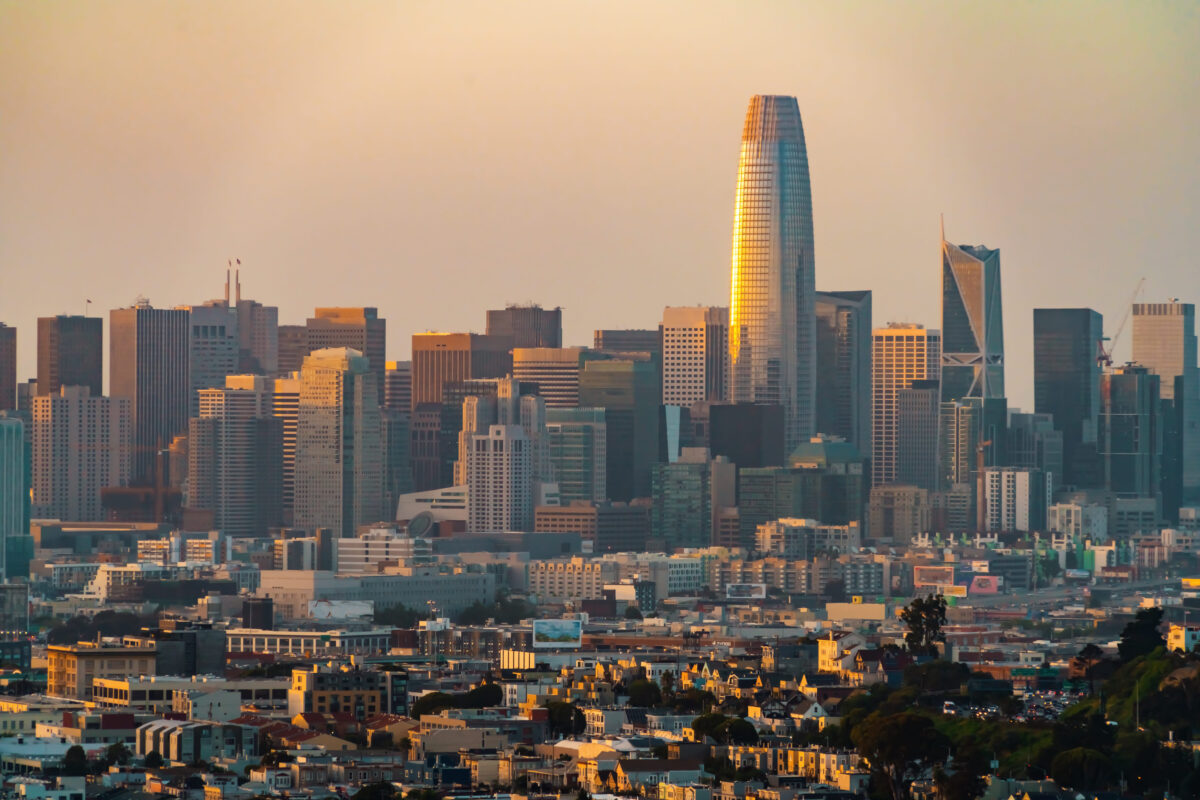
The Bay Area still attracts global talent, but the numbers are extreme.
Median home prices in San Francisco remain near $1.3 million, while San Jose sits around $1.4 million+, making them among the highest in the U.S. Rent often exceeds $3,000–$4,500 monthly for standard apartments.
Even with tech salaries averaging $120,000–$180,000, studies show many residents still feel “cost-stretched” due to taxes, childcare costs, and housing competition.
In some neighborhoods, less than 8% of homes are considered affordable for median-income households. The city is rich in innovation, but financially restrictive for everyone outside high-income tech roles.
New York City, New York
New York City has always been expensive, but the gap has widened.
A single adult now needs roughly $130,000–$160,000 annually to live comfortably, depending on the borough. Meanwhile, median household income sits closer to $75,000–$85,000.
Rent is the biggest shock factor: a one-bedroom apartment averages $3,000–$4,000+ in Manhattan, with outer boroughs not far behind.
Residents often spend 40%–60% of their income on rent alone, leaving limited room for savings, travel, or emergencies.
The city still delivers opportunity, but for many, it now comes with financial burnout baked in.
Miami, Florida
Miami’s transformation has been dramatic.
Home prices surged by more than 40% in just a few years, with median values now exceeding $500,000–$600,000, while wages remain significantly lower than coastal peers.
According to Visual Capitalist, Miami experienced the highest rent increase among major U.S. cities, with average rents rising by 53 percent since 2020. A key pressure point remains insurance costs. Some homeowners report premiums rising by 100%–200% in high-risk zones, adding thousands annually.
Miami may feel like a global hotspot, but for many locals, it now feels like a city rebuilt for newcomers rather than long-term residents.
San Diego, California
San Diego sells the perfect lifestyle: beaches, weather, and outdoor living nearly year-round.
But affordability tells another story.
Median home prices are around $850,000–$950,000, while median incomes are around $95,000–$105,000. Rent for a one-bedroom often exceeds $2,800 monthly.
What makes it feel “overpriced” is not just cost, it’s scarcity. Housing supply has grown far more slowly than demand, creating a gap in which only about 10%–12% of listings are affordable for middle-income households.
Residents often describe it as paying for paradise, but budgeting as if they live in a luxury tier.
Boston, Massachusetts
Boston’s economy is strong, driven by universities, healthcare, and biotech. But housing is tightening fast.
According to the 2026 Housing Affordability Index, the national average home price is $469,764, which puts price-to-income ratios in many major metro areas well above affordable levels for most households.
The result is a city where even highly educated workers feel financially “average,” not because of income limits but because housing costs consume too much of it.
Honolulu, Hawaii
Honolulu remains one of the most expensive cities in America due to geography alone.
Groceries cost roughly 60%–90% more than the U.S. average, and housing prices regularly exceed $800,000+, with limited land driving constant pressure.
Nearly 40%+ of households are cost-burdened, meaning they spend over 30% of their income on housing.
Even middle-class families often face a hard trade-off: stay close to home or move to the mainland for affordability.
Here, the “island premium” is not symbolic; it is structural.
Orange County & Suburban California
Cities like Anaheim and the surrounding Orange County suburbs once represented a middle-class alternative to LA.
Not anymore.
Median home prices now sit between $850,000 and $1 million, while rents frequently exceed $2,500–$3,000.
Even households earning $100,000+ annually often struggle to qualify for mortgages due to strict lending ratios and high property taxes.
What used to be “affordable coastal living” has quietly shifted into one of the most expensive suburban regions in the country.
The Bigger Picture: Why So Many Cities Feel “Overpriced”
Across the United States, a clear pattern is emerging that explains why so many cities now feel overpriced. Housing costs are rising roughly 2 to 4 times faster than wages, while in major metro areas, rent is routinely consuming between 40% and 60% of household income.
At the same time, home affordability has dropped to below 10% in several leading coastal markets, meaning fewer than one in ten properties are realistically within reach for the average resident.
Layer on rising insurance premiums, property taxes, commuting costs, and everyday essentials that can add another $5,000 to $15,000 annually, and the result is a financial gap that keeps widening. It is no longer just about expensive cities; it is about entire urban economies in which the cost of basic living has moved beyond what typical incomes can sustain.