Before Chopped Cheese Went Viral, New York’s Bodegas Already Knew It Was a Star
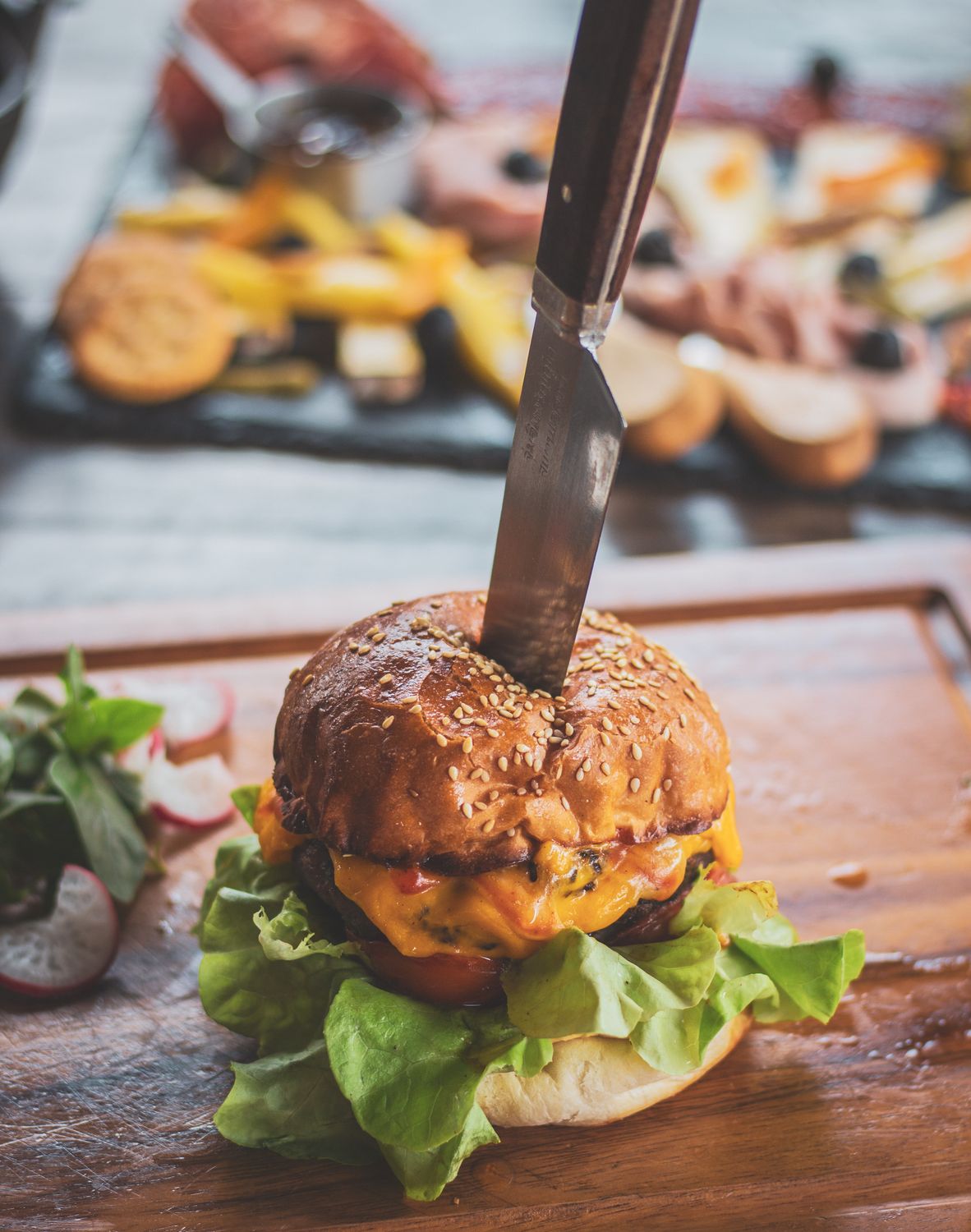
The chopped cheese did not need a restaurant reservation or a celebrity endorsement to find its audience. Long before it became a food-media fascination, the sandwich was feeding customers at bodegas in Harlem and the Bronx: ground beef chopped with onions, melted cheese, lettuce, tomato and condiments tucked into a hero roll. Its appeal was straightforward hot, filling and affordable. The complicated part arrived when people outside those neighborhoods started treating an everyday favorite like a brand-new discovery.
That journey explains how chopped cheese became a recognizable symbol of New York bodega culture. Neighborhood customers helped establish its reputation; music, television and online coverage carried it further. Along the way, arguments about its origins and upscale versionsturned a sandwich into a conversation about credit, affordability and belonging. To understand its place in the city, start at the grill, not with the internet’s claim to have found it.
A Harlem Corner Store, a Hot Grill and an Origin Story With Loose Ends
Blue Sky Deli,better known as Hajji’s, sits at First Avenue and East 110th Street in East Harlem and is widely associated with the sandwich’s beginnings. The shop claims to be its birthplace, but the precise invention story remains disputed, even among people connected to the business. That distinction matters: Hajji’s central role is well documented, while a definitive inventor, date and explanation are not settled by the available reporting.
In Eli Rosenberg’s 2016 New York Times reporting, workers credited longtime deli employee Carlos Soto, who they said died in 2014. Their accounts differed on the circumstances. One version involved chopping a cheeseburger to fit a hero after round buns ran out; another connected the creation to Soto’s Yemeni coworkers. Employee Sam Moslih described a customer noticing Soto’s creation and requesting one: “And,” he said, “it just went from there.”
A 2023 CBS New York report recorded a competing claim from longtime cook Frankie Frank, who said he first made the sandwich in the 1990s. His explanation also centered on missing burger buns. “So I started to chop it up, and I put it in a hero,” he said. Manager Salah Alhubaishi, meanwhile, emphasized influences from his native Yemen. These are attributed recollections, not interchangeable pieces of one proven origin story.
Alhubaishi had also credited Soto in reporting published by Explore Parts Unknown, while describing an Arabic culinary connection. “But because here it’s a rushed life, everybody got no time to wait and sit here and eat, they want something on the go,” he explained. His account connects the sandwich’s appeal to convenience. Whatever happened during that first disputed preparation, the finished product suited customers who wanted a substantial meal they could carry out the door.
How a Neighborhood Favorite Became Everybody’s Business
The chopped cheese spread through customers before it spread through content. In Explore Parts Unknown’s reporting, Harlem customer Kai Carillo described the neighborhood network plainly: “Word gets around, especially in Harlem. Everyone’s close-knit, and it’s ‘Here, try this, try this, you gotta come here.’” That kind of recommendation helped give the sandwich an audience without a publicity campaign. The bodega counter was where people ordered it, personalized it and introduced somebody else to it.
Price was an important part of that relationship. Rosenberg’s 2016 article described chopped cheese sandwiches as typically costing $4 or $5 at the time not a promise about today’s prices.Bronx entrepreneur Anthony Ramirez II explained why the sandwich mattered to students he had worked with: “It’s not supposed to be a gourmet item.” As he put it, “It’s an affordable option, and it’s hot and tasty.” Accessibility was part of the appeal, not an incidental detail.
Broader recognition arrived through several channels rather than one grand unveiling. Anthony Bourdain’s Parts Unknown featured the sandwich during its 2014 Bronx episode, while food reporting, videos and social media expanded its audience. Harlem rapper Dave East referenced Hajji’s chopped cheese in his song “Nino,” and First We Feast explored its history and following. Those appearances carried an existing neighborhood favorite to people who had never ordered one or perhaps never heard its name.
But increased visibility also exposed a blind spot. In 2016, an Insider video featured a reporter saying that “most New Yorkers don’t even know it exists.” For people who had grown up eating chopped cheese, that framing made their familiar food sound invisible until an outsider noticed it. Harlem YouTube personality Jeffrey Almonte’s sharply critical response drew millions of views, according to Rosenberg’s reporting. Suddenly, the coverage itself had become part of the sandwich’s story.
Related: 6 Lunch Meats From the 1970s That Have Nearly Disappeared From Everyday Lunchboxes
Why Its Bodega Roots Still Matter
The argument was not simply about whether newcomers could enjoy lunch. It was about whether coverage recognized the communities that had already made the sandwich meaningful. Harlem writer and editor Angela Bronner-Helm captured that concern in Explore Parts Unknown: “You can’t discover something that was already there.” Her criticism addressed the erasure that can accompany attention celebrating a neighborhood’s food while overlooking the people, businesses and history responsible for its appeal.
Higher-priced versions sharpened that tension. In 2016, the Upper West Side butcher shop and restaurant White Gold attracted criticism over a proposed chopped cheese costing approximately $15; Rosenberg reported that it opened with an $11 version instead. Co-owner Jocelyn Guest defended its inclusion as recognition, calling it “such a huge part of the New York sandwich canon.” Business partner Erika Nakamura described their approach as “a genuine and very innocent admiration of what it is.”
Culinary historian Michael W. Twitty offered a useful standard for evaluating that admiration: “The benchmark is respect and access.” He followed with the question, “Are the sources being acknowledged and respected?” That gets to the heart of why the chopped cheese became more than a recognizable order. Its identity rests on the relationship between a practical sandwich, the neighborhood businesses serving it and the customers who valued it before fame arrived with a camera.