City Shuts Down Free Festival Amid Rising Debate Over Safety, Access, and Public Space Control During Major Global Events
The city’s shutdown of a free festival in Atlanta has become more than a local news moment. It now reflects a broader tension shaping modern urban life, in which public celebration, regulatory systems, and large-scale global events increasingly collide. What was meant to be a vibrant World Cup and Father’s Day gathering instead became a last-minute cancellation that left vendors, families, and organizers confused.
The city shuts down free festival story centers on World Legacy Fest, a planned multi-day community event at Rodney Cook Sr. Park in Vine City. The festival promised free cultural programming tied to World Cup excitement and Father’s Day activities. Instead, city officials halted the event hours before it was set to open, citing unresolved permits and safety requirements.
The city’s shutdown of a free festival has since raised deeper questions about how cities manage public space during global events. It also highlights the growing gap between community-driven cultural ambitions and increasingly strict administrative systems. The dispute now sits at the intersection of governance, economics, and public trust.
When Celebration Meets Control in the Heart of the City

The city-shut-down free festival began as a celebration of community access to a global sporting moment. Organizers designed World Legacy Fest to bring World Cup energy into a neighborhood park setting. They positioned it as a free, family-centered experience that included soccer programming, music, and Father’s Day activities.
From the outset, the city shut down free festival planning that carried symbolic weight. It represented an attempt to translate a global tournament into a local cultural experience. For many residents, especially in Vine City, the festival promised inclusion at a moment when attention often concentrates in stadium districts and commercial fan zones.
However, the city shuts down free festivals, which reveals how fragile such efforts can be. Even well-intentioned events must navigate layered approval systems. These systems include permits, insurance requirements, security coordination, and compliance deadlines that often stretch beyond what grassroots organizers can easily manage.
The city shuts down the free festival situation, showing how celebration and control now operate in constant tension. Cities want public engagement during global events, yet they also enforce stricter oversight to manage safety risks. That balance becomes increasingly difficult when timelines compress, and expectations rise.
The Silent Complexity Behind Permit Approval Systems
The city shuts down free festivals, disputes cannot be understood without examining how urban permitting systems function. Large public events require multiple approvals, often involving separate departments. These include park services, law enforcement, fire safety teams, and vendor compliance units.
In the city-shut-down free festival case, officials cited missing payments and an incomplete security plan. Organizers, however, believed approval had already been granted. This disconnect reveals a common issue in municipal processes, where conditional approvals can be mistaken for final authorization.
The city shuts down the free festival, illustrating how easily misunderstandings can emerge in complex administrative environments. A permit is rarely a single document. It is often a chain of conditions that must be satisfied in sequence. If one condition remains unresolved, final approval can be revoked even at a late stage.
The city’s shutdown of a free festival debate raises a broader question. How clearly do cities communicate the difference between “pending,” “conditional,” and “approved”? When that clarity fails, entire communities can invest time and money into events that may never take place.
Safety Requirements and the Expanding Threshold of Compliance
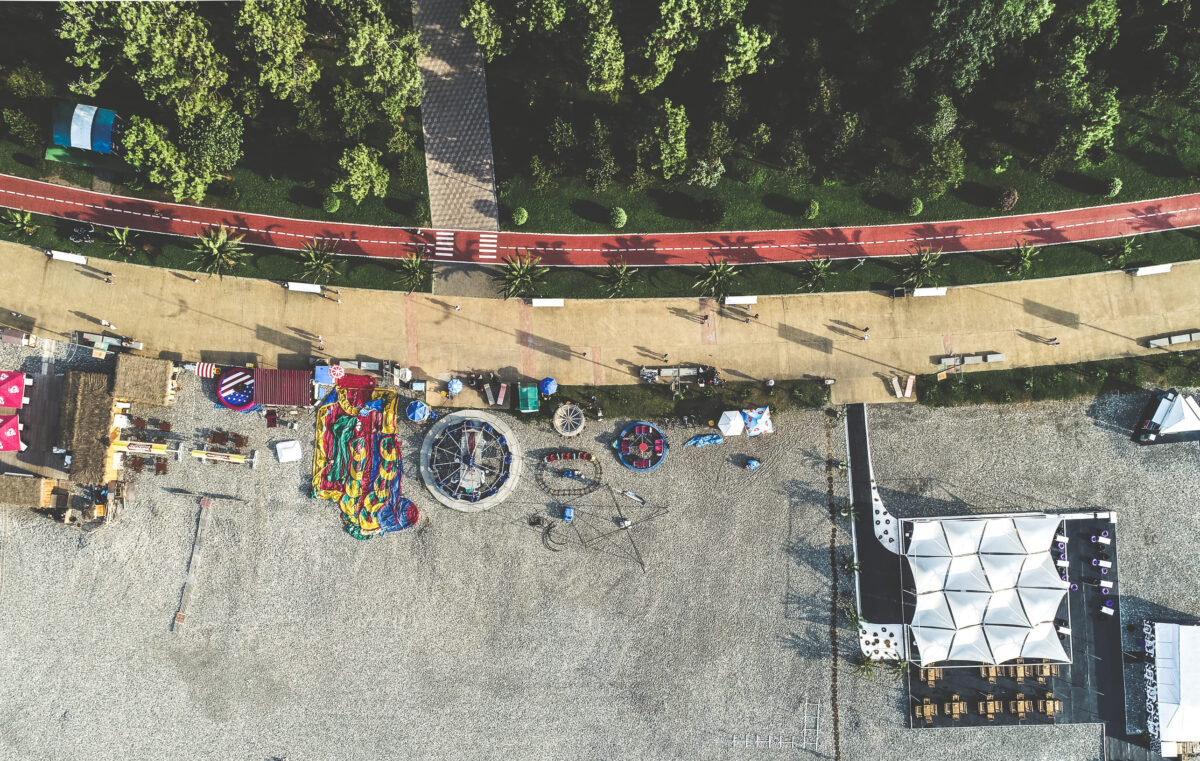
The city’s decision to shut down the free festival was officially grounded in safety concerns. City officials pointed to the need for proper crowd management, licensed security personnel, and emergency preparedness. These requirements are standard for large public gatherings, especially during high-profile global events like the World Cup.
Yet the city shuts down the free festival, and the controversy shows how safety standards have expanded over time. What once might have been a simple neighborhood event now requires detailed operational planning. This includes traffic coordination, medical response planning, liability coverage, and vendor regulation.
In the city-shuts-down free-festival case, the timing of enforcement became central to public frustration. Requirements that appear late in the process can create financial and logistical strain for organizers. Vendors may already have invested in materials, staffing, and inventory before any final decision is made.
The city shutting down a free festival highlights a growing structural reality. Safety frameworks are essential, but their increasing complexity can unintentionally raise barriers to community participation. This tension becomes sharper when events are free and designed specifically for public access.
World Cup Energy and the Pressure on Local Spaces
The city shuts down, and a free festival story unfolds amid heightened global attention. The World Cup brings significant tourism, security planning, and international visibility. Cities hosting matches often redesign public space usage to manage crowds and maintain safety standards.
In this environment, the city shuts down the free festival and becomes part of a larger urban adjustment. Parks, streets, and open spaces are no longer just local amenities. They become part of a global event ecosystem that demands coordination and control.
The city shuts down free festivals, which also reflects the contrast between official fan zones and independent cultural gatherings. Official events are typically supported by large institutions with established security frameworks. Independent festivals must meet the same standards without the same infrastructure support.
The city shuts down the free festival, and the outcome reveals an imbalance. Global events encourage widespread participation, yet the systems that support them often favor large, well-resourced organizers over community-led initiatives. This dynamic shapes who gets to participate in the public celebration of global moments.
Vendors, Local Economies, and the Cost of Sudden Cancellations
The city’s shutdown of the free festival had immediate economic consequences for small vendors. Many had already purchased supplies, prepared food, or scheduled staff. A sudden cancellation turns those investments into losses within hours.
In the city-shut-down free-festival scenario, these impacts extend beyond financial strain. Vendors also lose future opportunities tied to visibility and customer engagement. Festivals often provide rare access to large audiences that small businesses depend on for growth.
The city shuts down a free festival, disrupting it and exposing how risk is distributed unevenly. Organizers and vendors absorb most of the financial uncertainty. Meanwhile, regulatory bodies retain the authority to approve or halt events at the final stage.
The city shuts down a free festival case shows how fragile community economic ecosystems can be. One administrative decision can ripple across dozens of micro-businesses. It raises an important question about how cities can better balance enforcement with economic predictability.
Public Space, Trust, and the Question of Access
The city shutting down the free festival has sparked broader reflection on how public space is governed. Parks and civic areas are traditionally seen as open spaces for community gathering. However, large-scale events increasingly require formal permissions, reshaping how these spaces are used.
The city’s shutdown of a free festival highlights how access to public space is no longer automatic. It is conditional on compliance with regulatory frameworks that prioritize safety, liability, and coordination. While these frameworks serve important purposes, they also redefine the meaning of “public.”
The city shutting down a free festival raises questions about trust between communities and city institutions. When approvals change late in the process, public confidence can weaken. Organizers and residents begin to question how stable or predictable the system really is.
The city’s shutdown of the free festival debate, therefore, extends beyond one event. It reflects a broader shift in how cities manage participation during major cultural and sporting moments. The challenge lies in ensuring safety without eroding access.
The Quiet Shift in How Cities Host Global Moments
The city shutting down the free festival is part of a larger pattern seen in host cities worldwide. As events grow in scale and visibility, regulatory systems become more detailed and risk-sensitive. This leads to tighter control over unofficial or grassroots programming.
The city shuts down a free festival, reflecting how cities increasingly centralize public event planning during international tournaments. Official experiences become highly structured, while independent events must meet higher compliance thresholds to proceed.
The city shuts down the free festival, which suggests a shift in how celebration itself is managed. Public joy is no longer spontaneous at scale. It is shaped through approval systems, safety frameworks, and coordinated oversight that define when and how gatherings can occur.
The city shuts down the free festival, therefore, symbolizing more than cancellation. It signals an evolving urban model where participation is encouraged but carefully regulated. The question is whether this balance strengthens public life or quietly narrows it.
The city-shut-down free festival ultimately leaves behind more than empty park grounds and dismantled tents. It leaves a moment of reflection on how modern cities define access, manage risk, and distribute opportunity during globally significant events. As urban spaces continue to host international attention, one question lingers: how can cities preserve both safety and spontaneity without letting one quietly erase the other?