Gas Prices Are Climbing Again as Iran War Sends a Shock Through American Wallets
The first warning did not arrive in a speech, a market report, or a campaign headline. It appeared on the glowing sign outside the local gas station, where drivers suddenly saw the price of a gallon rise before their morning coffee had cooled. Across America, gas prices are up again, and the war in Iran has turned the fuel pump into one of the clearest signs that global conflict can hit ordinary households quickly.
CBS News reported that the national average rose 11 cents overnight on March 3, 2026, reaching $3.11 per gallon, according to AAA. That early jump now looks like the opening chapter of a larger energy shock. By June 13, AAA’s national average stood at $4.086 for regular gasoline, showing how deeply the crisis has traveled from oil markets into family budgets.
A faraway war is now sitting in the passenger seat.

For many drivers, the war in Iran may feel distant until they pull into a gas station. Then the distance disappears. A few extra dollars per fill-up becomes a weekly reminder that energy markets do not respect borders.
The pressure begins with crude oil, the raw material that feeds refineries and eventually becomes gasoline, diesel, and jet fuel. When conflict threatens supply routes, traders price in fear before shortages fully appear. That fear alone can quickly lift prices, especially when the threatened route is one of the most important oil corridors on Earth.
The Strait of Hormuz sits at the center of this anxiety. It connects the Persian Gulf to global shipping lanes and handles a major share of the world’s oil movement. When that route looks unsafe or disrupted, the cost of moving energy rises, and American drivers often feel the result at the pump.
The jump hurts because families were already stretched.
The latest rise comes at a difficult time for households. Food, insurance, rent, electricity, and car payments have already eaten into paychecks across many communities. Higher gas prices do not stay in one corner of the budget, because fuel is tied to nearly everything that moves.
A commuter who drives to work may not have an easy way to cut back. A parent still has school runs, grocery trips, medical appointments, and weekend errands. A small business owner who depends on deliveries may see higher fuel costs turn into thinner margins almost overnight.
That is why gasoline shocks feel so personal. They do not ask whether a family planned for them. They simply arrive, often before wages, schedules, or household budgets can adjust.
Why do pump prices move faster than relief?
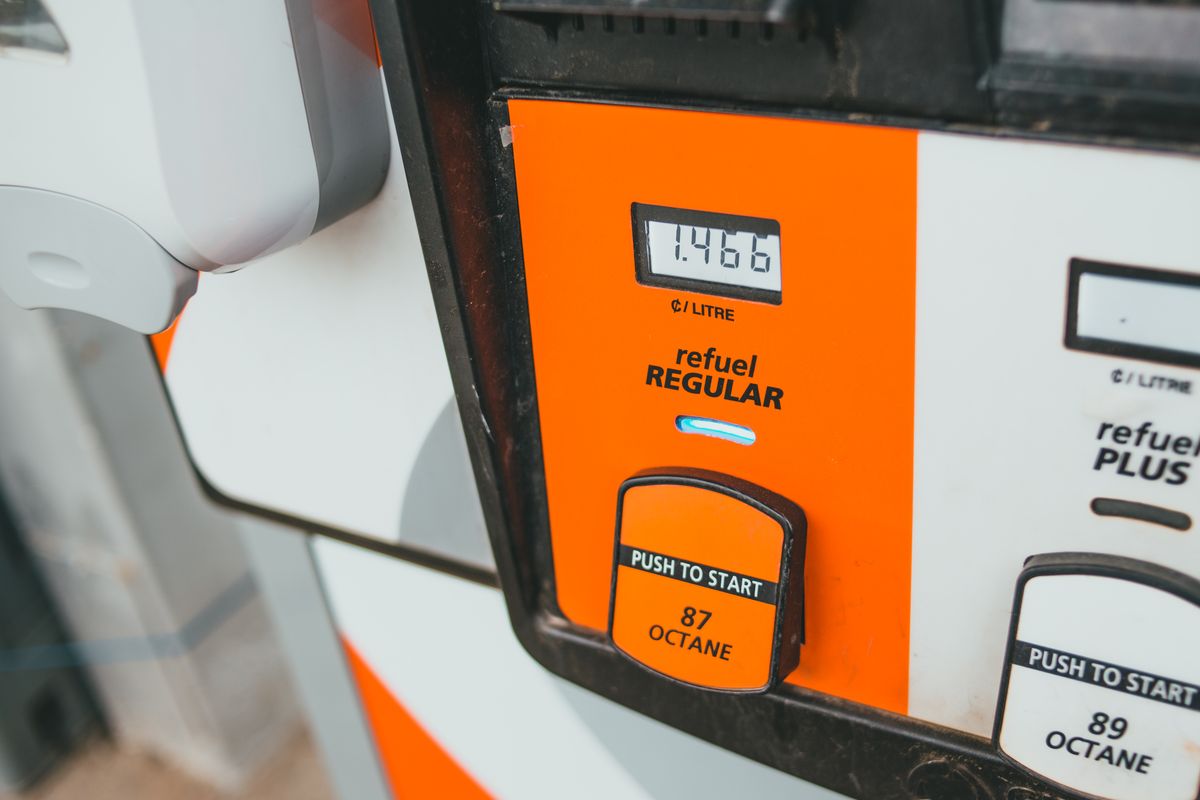
Many drivers notice that gas prices often rise quickly and fall slowly. Part of that comes from how fuel moves through the system. Crude oil prices can react immediately to war news, but gasoline prices reflect refining costs, transportation, inventories, taxes, local competition, and station-level decisions.
If oil prices spike due to fears of a shortage, gasoline sellers may raise prices to cover anticipated replacement costs. Even if crude prices cool later, stations may still be selling fuel bought at a higher price. That creates the frustrating lag many Americans know too well.
This is also why a single national average can mask very different realities. Some states may see modest increases, while others move sharply higher because of taxes, refinery access, distance from supply hubs, or state fuel standards. A driver in one region may feel pinched while another sees only a smaller bump.
The higher cost may be passed on through trucks, planes, and stores.
Gasoline gets the attention because most people see it every week. But the deeper worry is diesel, jet fuel, and freight. When those fuels rise, the cost of moving goods can climb as well.
Trucks carry groceries, building materials, furniture, medical supplies, and online orders across the country. Airlines burn jet fuel to move passengers and cargo. Farmers depend on diesel for equipment and transport, while manufacturers rely on steady shipping costs to keep prices predictable.
That means a fuel shock can quietly spread beyond the gas pump. It can show up later in airline tickets, delivery fees, grocery shelves, repair costs, and business invoices. The first pain appears on the roadside sign, but the second wave may arrive inside the shopping cart.
Relief depends on more than one headline.

Some drivers may hope that a ceasefire, a diplomatic breakthrough, or a reopening of shipping lanes would bring instant relief. That would be welcome, but energy markets rarely heal in a single day. Ships must move, insurers must regain confidence, refiners must secure supply, and inventories must rebuild.
The EIA has warned that fuel prices could remain under pressure even after disrupted flows improve. That matters because markets often keep a risk premium when traders believe another disruption could happen. In plain language, fear can stay in the price even after the worst moment appears to pass.
This does not mean prices will only rise. AAA’s latest numbers show some easing from a month earlier, which proves the market can cool when supply fears soften, or demand weakens. But the year-over-year comparison still shows a much more expensive fuel environment than Americans faced before the shock of the war deepened.
What drivers should watch now?
The next major signal will come from crude oil prices. If Brent crude keeps climbing, gasoline may face renewed pressure. If crude falls and shipping lanes stabilize, drivers could see more relief over time.
Another key signal is diesel. Diesel affects freight, agriculture, construction, and many supply chains. If diesel stays high, consumers may still feel fuel inflation even when regular gasoline prices stop rising.
The final signal is political and military stability around the Persian Gulf. Markets can handle bad news better than uncertainty. What they struggle with is not knowing whether tomorrow brings a reopening, a blockade, a strike, or another shipping disruption.
For American drivers, the story is brutally simple. A war overseas has become a weekly household expense. Every gallon now carries more than fuel, because it carries the weight of global risk, fragile supply lines, and the uneasy truth that the road to work can begin in a conflict zone thousands of miles away.