Giants Pitcher’s Bible Verse on Pride Night Cap Sparks National Debate
The San Francisco Giants’ Pride Night at Oracle Park on June 12, 2026, was designed to celebrate inclusion, identity, and community. The annual event featured pregame festivities, rainbow-themed uniforms, and postgame fireworks, all aimed at honoring LGBTQIA+ fans and organizations.
For years, the Giants have positioned themselves as one of Major League Baseball’s strongest supporters of Pride initiatives. The organization has worked with LGBTQIA+ groups for more than three decades and became the first MLB team to incorporate Pride colors into on-field uniforms in 2021.
What was meant to be a night of unity and celebration, however, quickly became a national talking point after a subtle yet powerful personal statement appeared on the field.
A Bible Verse Written on a Pride Cap Changes the Conversation

During the game, Giants pitcher Landen Roupp wore the team’s Pride-themed cap, but added handwritten text referencing Genesis 9:12-16. The passage describes the biblical story of Noah, where the rainbow is presented as a symbol of God’s covenant after the flood.
Roupp’s decision was not announced before the game and only became widely noticed afterward. According to reports, reliever JT Brubaker also wrote a similar Genesis reference on his cap, while reliever Sam Hentges chose not to wear the Pride-themed cap at all.
The simple act of writing a verse on a hat turned into a symbolic moment that extended far beyond baseball. It immediately sparked discussion among fans, commentators, and online communities about whether the gesture represented personal faith, a quiet protest, or a clash with the event’s purpose.
Player Explanation and Intent Behind the Message

After the game, Roupp addressed the situation and said his message was rooted in his Christian faith. He explained that the Bible verse he wrote was about God’s covenant and that there was “no hate at all” behind his actions.
His statement emphasized personal belief rather than confrontation. For Roupp, the message reflected identity in the same way Pride Night represents identity for others.
However, the interpretation of the gesture varied widely. Some fans saw it as a harmless expression of faith, while others felt the timing,during a Pride celebration, carried a deeper, more complex meaning.
The lack of an official team response during the immediate aftermath left much of the interpretation to public debate and media coverage.
Game Results Overshadowed by Off-Field Attention
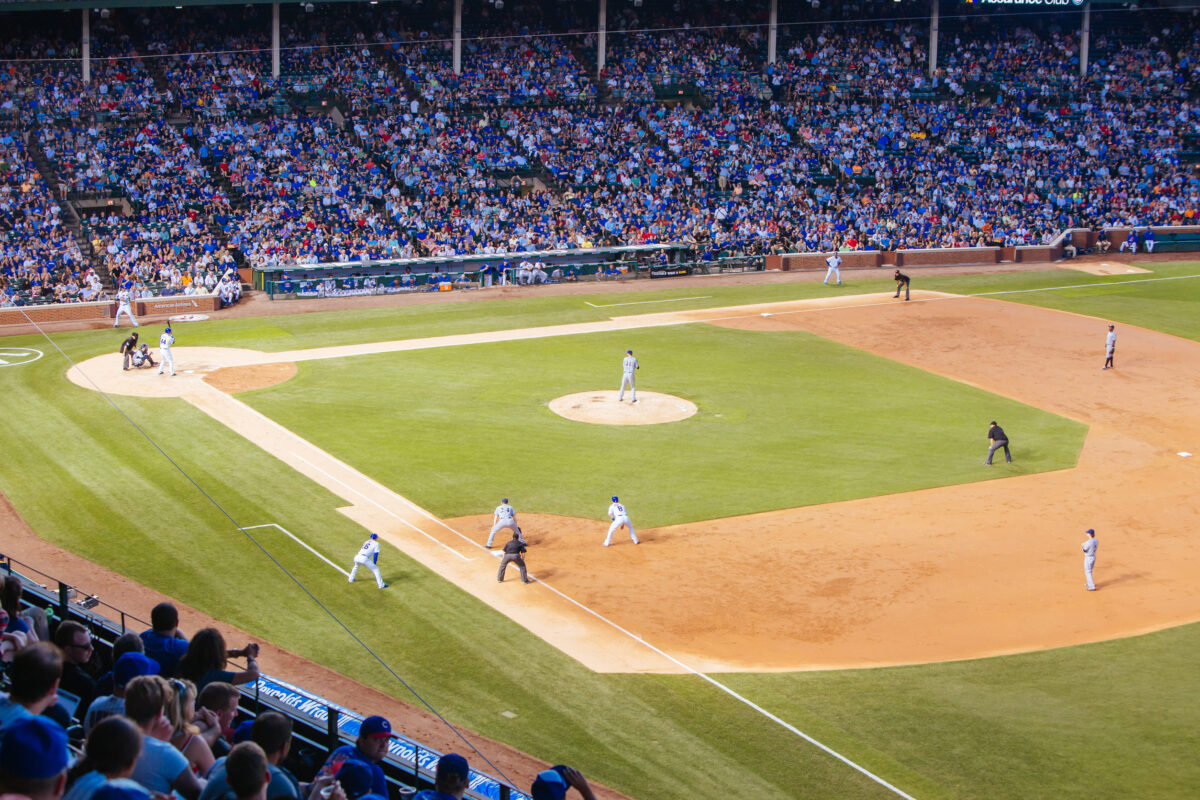
On the field, the Chicago Cubs defeated the Giants 5-1 in a game highlighted by a strong offensive performance from Chicago. Michael Busch delivered a three-run home run that landed in McCovey Cove, while Cubs starter Javier Assad helped control the game from the mound.
Roupp pitched four and two-thirds innings, allowing four earned runs before exiting. While his performance was part of the game’s statistical record, it was quickly overshadowed by the conversation surrounding his cap.
By the final out, the scoreboard reflected a clear Cubs victory, but the broader attention around the game centered on symbolism, identity, and expression rather than baseball performance.
Faith, Inclusion, and the Modern Sports Landscape
The incident highlights a growing tension in professional sports where cultural events and personal beliefs intersect in highly visible ways. Pride Nights, heritage celebrations, and themed games are now standard across major leagues, but they also create moments where individual expression meets organizational messaging.
For the Giants, the Pride Night event has long been part of their broader commitment to inclusion in San Francisco, a city known for its historic role in LGBTQIA+ advocacy. That history makes any deviation from the intended message more noticeable and more widely discussed.
At the same time, players come from diverse backgrounds and carry personal beliefs that do not always align perfectly with themed events. This creates a complex space where faith, identity, and professional expectations overlap.
Roupp’s gesture sits directly in that space. To some, it represents freedom of expression. To others, it raises questions about respect and timing during a community-focused celebration.
A Symbolic Moment That Extends Beyond Baseball
What happened at Oracle Park is not just about one cap or one verse. It reflects a larger cultural reality in American sports, where athletes are increasingly seen as public voices as much as performers.
Every symbol, whether a rainbow logo or a handwritten scripture reference, now carries meaning far beyond its physical form. Fans interpret these gestures through personal experience, cultural values, and political perspectives.
As the debate continues, the Giants and Major League Baseball find themselves balancing two important principles: supporting inclusive events that represent their communities while also respecting the individual beliefs of their players.
The game itself will fade from memory, as most regular-season matchups do. But the conversation sparked by a simple handwritten verse is likely to linger far longer, showing how modern sports have become one of the most powerful stages for cultural expression in the United States.