Hard Rock Hotel & Casino Rooftop Collapse Exposes Structural Risks in Luxury Entertainment Venues
Five injured after rooftop structure partial collapse at Hard Rock Hotel & Casino became more than a local incident in Hollywood, Florida. It turned into a case study in how luxury entertainment environments interact with unpredictable weather forces. The partial failure at the DAER Club rooftop raised questions about design resilience, operational preparedness, and the limits of aesthetic-driven architecture in high-risk climates.
The Hard Rock Hotel & Casino rooftop collapse occurred during a sudden wind event that struck an outdoor structure at the rooftop venue. Five guests sustained non-life-threatening injuries and were transported to Memorial Regional Hospital. While officials confirmed that a gust of wind triggered the incident, deeper questions now surround how such a structure remained exposed during rapidly changing weather conditions.
Beyond the immediate injuries, the event exposes a broader tension in modern hospitality design. Rooftop venues combine entertainment, architecture, and climate exposure in ways that demand constant balance. When that balance fails, even briefly, the consequences extend beyond physical damage into public trust, operational scrutiny, and industry-wide reflection.
When Celebration Spaces Become Structural Risk Zones

The Hard Rock Hotel & Casino rooftop collapse did not occur in isolation. It unfolded in a densely used entertainment space designed for nightlife, leisure, and high guest turnover. Rooftop venues like DAER Club rely on open-air layouts, lightweight structures, and visually immersive installations to create premium guest experiences.
However, those same design choices introduce inherent vulnerability. Cabana-style frames, shade structures, and modular installations often prioritize flexibility over permanence. In stable weather conditions, they function as intended. Under sudden wind pressure, their performance shifts dramatically.
This creates a structural paradox. Spaces designed for comfort and enjoyment must also withstand environmental stresses that cannot always be predicted in advance. The Hard Rock Hotel & Casino rooftop collapse highlights that contradiction in a visible and disruptive way.
The incident also raises a question that hospitality designers rarely answer publicly. How much structural risk is acceptable in spaces where guests assume complete safety? The answer determines how future rooftop venues will balance aesthetics with engineering discipline.
Wind, Timing, and the Fragility of Rooftop Design
The Hard Rock Hotel & Casino rooftop collapse was triggered by a sudden gust of wind that struck the outdoor structure. Wind events in South Florida often form quickly and intensify without long warning periods. This makes rooftop environments particularly sensitive to timing and response.
Even moderate wind speeds can generate lateral forces that exceed the tolerance of lightweight structures. When those structures are elevated, the impact multiplies due to increased exposure and reduced shielding. The DAER Club incident reflects this environmental reality in a direct and visible form.
What makes the timing critical is not just the weather itself, but the operational window in which response becomes necessary. Rooftop venues depend on real-time monitoring and rapid decision-making. If wind conditions shift faster than operational protocols can respond, structural exposure increases significantly.
In this case, the Hard Rock Hotel & Casino rooftop collapse occurred during the presence of guests, which intensified both the immediate risk and the complexity of the evacuation. That intersection of weather and occupancy remains one of the most challenging aspects of rooftop venue safety management.
Luxury Hospitality and the Illusion of Controlled Environments
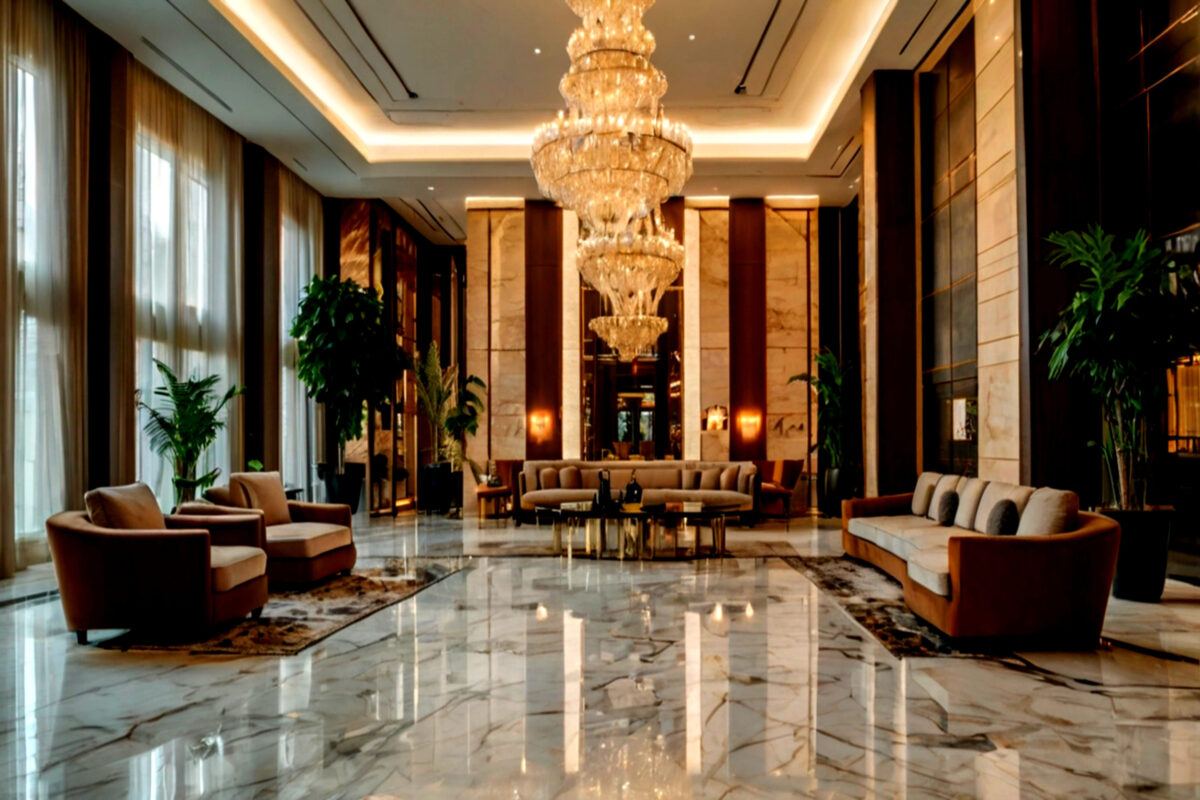
The Hard Rock Hotel & Casino rooftop collapse also challenges the perception of control that defines luxury hospitality. Casinos and resort properties are engineered environments where surveillance, security, and guest experience are tightly managed. Guests often assume that every visible space has been fully assessed for safety.
However, weather introduces an uncontrollable variable that does not align with internal operational systems. While staff can manage crowds, monitor security, and regulate access, they cannot stabilize atmospheric conditions. This gap becomes critical in rooftop settings where exposure is constant.
Luxury design often emphasizes openness, transparency, and visual appeal. These qualities enhance guest experience but reduce environmental shielding. The Hard Rock Hotel & Casino rooftop collapse demonstrates how quickly controlled hospitality environments can shift into uncontrolled conditions when external forces intensify.
The contradiction is subtle but important. A venue can maintain strict internal control while remaining vulnerable to external environmental triggers. That duality defines the modern challenge of rooftop entertainment design.
Engineering Assumptions Under Real World Weather Pressure
The Hard Rock Hotel & Casino rooftop collapse raises technical questions about structural assumptions used in rooftop venue construction. Many outdoor installations rely on modular systems designed for flexibility and aesthetic integration rather than permanent load-bearing performance.
These systems are typically evaluated under expected wind load conditions. However, real-world weather events do not always follow expected averages. Sudden gusts can exceed design thresholds even if overall weather conditions appear manageable.
This creates a gap between theoretical safety margins and actual environmental stress. When multiple lightweight structures are concentrated on a rooftop, the cumulative risk increases. A single failure can trigger additional instability in nearby installations.
Historically, similar incidents in coastal entertainment districts have led to revised building codes and stronger anchoring requirements. Yet the balance between visual design and structural reinforcement remains a recurring tension in hospitality architecture. The Hard Rock Hotel & Casino rooftop collapse fits into that broader pattern of exposure under pressure.
Crowd Density, Response Time, and the Human Factor in Rooftop Incidents
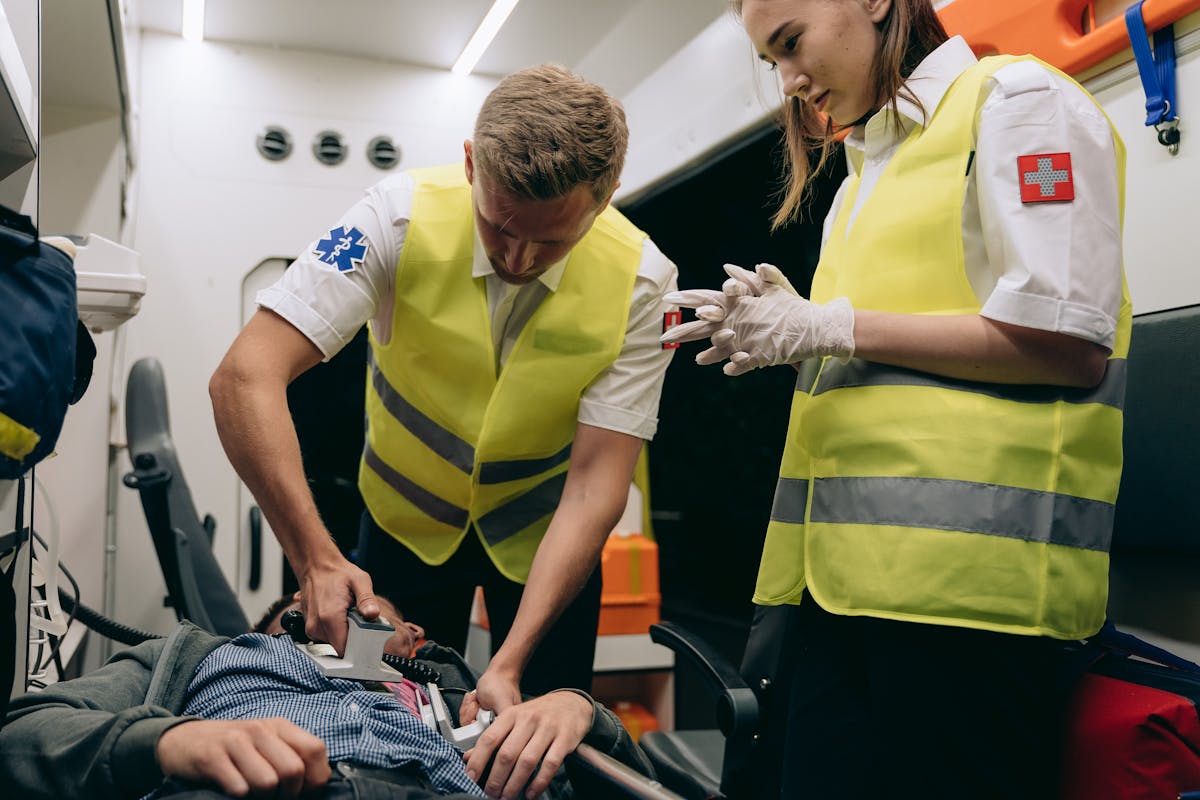
The Hard Rock Hotel & Casino rooftop collapse also illustrates how human density affects risk outcomes. Rooftop clubs concentrate large groups of people in elevated open-air environments where movement is restricted by design. This creates limited evacuation routes during emergencies.
When the structure partially failed, guests near the installation faced immediate uncertainty. In such environments, response time becomes as important as structural integrity. Even a brief delay in identifying danger can increase exposure to falling debris or secondary movement hazards.
Crowd behavior also plays a role. Sudden structural changes often trigger instinctive movement toward exits, bars, or interior access points. Without clear directional control, congestion can form quickly. That congestion amplifies risk even when injuries remain non-life-threatening.
The Hard Rock Hotel & Casino rooftop collapse, therefore, reflects not only a structural event but also a behavioral one. The interaction between the environment and human reactions determines the severity of outcomes in ways that engineering alone cannot fully predict.
Operational Preparedness and the Visibility Gap in Safety Protocols
The Hard Rock Hotel & Casino rooftop collapse highlights a less visible aspect of venue management: real-time safety decision-making. Guests rarely see the systems that determine when outdoor spaces should be cleared or when structures should be secured.
This creates a visibility gap between expectation and action. Guests assume that if a rooftop area remains open, conditions have been deemed safe. However, operational thresholds for wind or weather-related closures are often internal and not communicated publicly in real time.
That gap becomes critical during fast-changing weather events. If conditions shift rapidly, staff must decide whether to continue operations, pause service, or evacuate areas. Each decision carries financial, operational, and safety implications.
In the case of the Hard Rock Hotel & Casino rooftop collapse, the sequence of wind impact and structural failure suggests a narrow operational window. Whether protocols were activated before or after the gust remains an open question, but the incident underscores the importance of visible, decisive weather-response systems.
Industry Patterns and the Expanding Rooftop Entertainment Model
The Hard Rock Hotel & Casino rooftop collapse does not stand alone in the industry context. Across major cities, rooftop entertainment venues have expanded rapidly over the past decade. Urban demand for elevated dining, nightlife, and experiential spaces has driven significant investment in rooftop infrastructure.
This expansion has outpaced some safety conversations. Many venues prioritize design differentiation and guest experience while relying on standardized engineering assumptions for environmental exposure. In stable conditions, this model functions effectively.
However, climate variability introduces new stress factors. Sudden storms, intensified wind patterns, and unpredictable microclimates challenge the reliability of older design assumptions. Hospitality architecture now operates in an environment where historical weather norms may no longer fully apply.
The Hard Rock Hotel & Casino rooftop collapse becomes part of this larger trend. It reflects not only a single structural failure but also the evolving demands placed on outdoor entertainment design in changing environmental conditions.
A Controlled Space Disrupted by an Uncontrolled Force
The Hard Rock Hotel & Casino rooftop collapse ultimately represents a collision between control and unpredictability. The venue operates within a highly managed hospitality ecosystem, yet one external force disrupted that stability in seconds.
Wind, brief and sudden, exposed the limits of lightweight rooftop construction and tested the responsiveness of operational systems. Five injuries resulted, but the broader impact extends into questions about design philosophy, safety transparency, and environmental readiness.
Rooftop venues exist because they deliver experiences that feel open, elevated, and immersive. Yet that openness is also what exposes them to forces beyond human control. The challenge lies in determining how much exposure remains acceptable when safety expectations continue to rise.
The Hard Rock Hotel & Casino rooftop collapse leaves behind more than a damaged structure. It leaves a question that extends beyond one venue and one evening. In environments built for celebration, how much unseen risk are guests willing to accept before the experience itself demands a new definition of safety?