Julia Letlow Wins Louisiana Senate Runoff as Trump’s Endorsement Pays Off
For many Louisiana voters, Saturday night was more than another primary runoff. It was the moment a bitter Republican Senate fight turned into a new general election contest, with Rep. Julia Letlow stepping forward as the GOP nominee after a race shaped by loyalty, loss, and the lasting power of Donald Trump inside the Republican Party.
Letlow defeated Louisiana State Treasurer John Fleming in the Republican U.S. Senate runoff on June 27, 2026. Her win sends her into the November 3, 2026, general election against Democratic nominee Jamie Davis, giving Louisiana voters a clear choice in a Senate race that has already drawn national attention.
The result also closed the door on a dramatic chapter for Sen. Bill Cassidy, the incumbent Republican who failed to make the runoff after finishing third in the May 16, 2026, primary. Cassidy’s fall was not just a local political setback. It became a symbol of how one vote in Washington can follow a politician all the way back home.
A Runoff With National Shadows
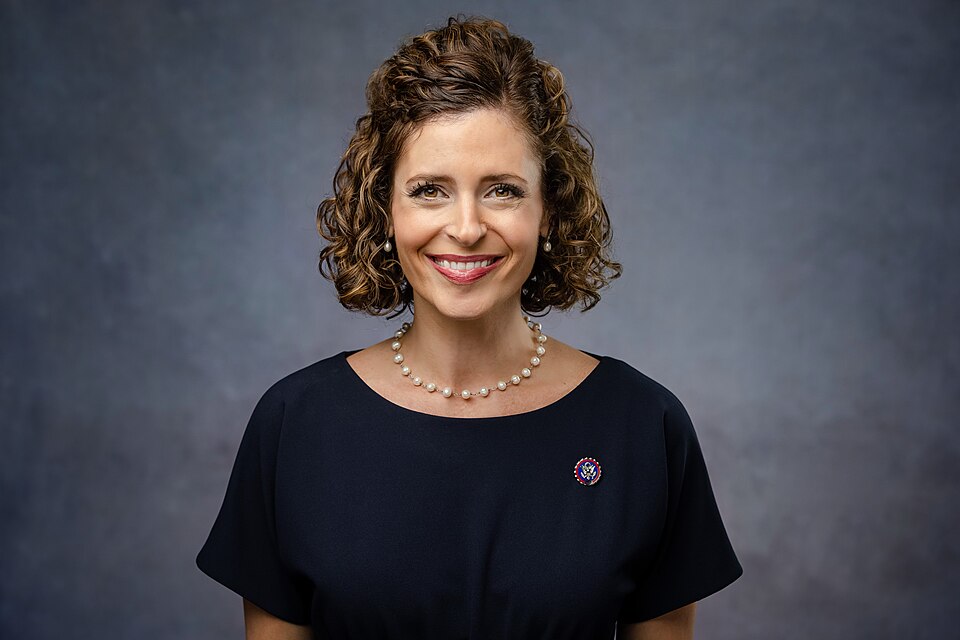
Letlow entered the runoff with powerful support behind her. Trump endorsed her, and several major Louisiana Republicans rallied around her campaign, including Gov. Jeff Landry, House Majority Leader Steve Scalise, Rep. Clay Higgins, and Attorney General Liz Murrill.
That support mattered because this was not a quiet race about policy alone. It became a test of influence, especially after Cassidy angered many Trump supporters by voting to convict Trump during the second impeachment trial in February 2021. Cassidy said at the time that Trump was guilty in connection with the January 6 Capitol breach, a position that triggered immediate backlash from parts of the Republican base.
The Louisiana Republican Party later censured Cassidy. Years later, that moment still hung over the Senate race. By the time voters went to the polls in 2026, Cassidy was no longer the Republican nominee fighting for November. He was the incumbent who had been pushed out before the runoff even began.
Letlow’s victory showed how much the GOP electorate in Louisiana has shifted toward candidates who are openly aligned with Trump’s movement. For her supporters, the win was a sign of unity. For Cassidy’s allies, it was a reminder that political independence can carry a heavy price in today’s Republican Party.
Julia Letlow’s Personal Story Remains Central
Letlow’s rise has always carried a deeply personal backstory. She was elected to Congress in 2021 after the death of her husband, Rep.-elect Luke Letlow, who died from complications related to COVID-19 before he could take office.
Luke Letlow had won Louisiana’s 5th Congressional District seat in December 2020. His death led to a special election, and Julia Letlow stepped into public office after a family tragedy that was watched across the state.
That history has shaped how many voters see her. She is not only a congresswoman seeking higher office. She is also a widow who entered politics under heartbreaking circumstances and built a political identity of her own.
On election night, Letlow thanked voters, volunteers, and supporters for helping her win the nomination. She also credited Trump’s endorsement and the support of Louisiana conservatives who stood behind her campaign.
For many voters in rural Louisiana, Letlow’s story connects personal resilience with political loyalty. That combination helped make her one of the most closely watched Republican candidates in the 2026 Senate cycle.
Fleming Tried to Claim the Conservative Lane
John Fleming was not an outsider to Republican politics. He is Louisiana’s state treasurer, a former U.S. House member, and a former Trump administration official. He represented Louisiana’s 4th Congressional District from 2009 to 2017 and later served as assistant secretary of commerce for economic development.
His campaign leaned heavily on that background. Fleming argued that he had the conservative record and Trump administration experience to represent Louisiana in the Senate.
But in a runoff where Trump himself backed Letlow, Fleming faced a difficult task. It is one thing to run as a conservative who served in a Trump administration. It is another to run against the candidate Trump personally endorsed.
The runoff placed Republican voters in a familiar 2026 position. They had to decide which candidate best represented the party’s future. Letlow’s win showed that endorsements, alliances, and party momentum still matter deeply in statewide races.
Why Louisiana Voters Are Watching Closely
This race matters beyond political headlines because Louisiana’s next senator will help shape decisions on energy, disaster recovery, agriculture, federal spending, health care, and border policy. Those issues are not abstract in Louisiana. They affect coastal communities, small towns, farmers, workers, families, and business owners across the state.
Louisiana is also a state where national politics often meets local survival. Federal decisions can affect hurricane recovery funds, flood protection, oil and gas jobs, transportation projects, and rural hospital access.
That is why voters who may not follow every Washington fight still have reason to care about this race. Whoever wins in November will not just cast votes on national debates. That person will also represent Louisiana when federal money, regulations, and emergency decisions are on the table.
Letlow will likely campaign as a conservative Republican aligned with Trump and Louisiana’s current GOP leadership. Davis, the Democratic nominee, will now have the challenge of making his case in a state that has leaned strongly Republican in recent federal elections.
The Cassidy Factor Still Lingers
Cassidy’s defeat remains one of the biggest storylines of the race. He was not removed by scandal, a criminal case, or a sudden retirement. He was rejected by primary voters after years of tension with Trump’s base.
That makes this election a warning sign for other Republican officeholders. In today’s GOP, one high-profile break with Trump can become a defining issue years later.
For Louisiana voters, the question now is whether the November election becomes a simple partisan contest or a broader debate about representation, loyalty, and the state’s future direction. Letlow has the Republican nomination, but Davis now has an opportunity to argue that Louisiana voters deserve a different path.
Still, the runoff result gives Letlow a major advantage heading into the general election season. She has momentum, national attention, and the backing of powerful Republicans.
What Happens Next
The next major date is November 3, 2026, when Letlow and Davis will face voters in the general election. Between now and then, both campaigns will try to define the race before the other side does.
Letlow will likely present herself as the conservative choice who can work with Trump-aligned Republicans and deliver for Louisiana. Davis will need to build name recognition and persuade voters that the Senate seat should not be decided solely by the Republican runoff.
The race may also draw outside money and national attention because control of the U.S. Senate remains one of the biggest political fights in the country. Louisiana may be a Republican-leaning state, but Senate races still attract attention when they involve an incumbent’s defeat, a Trump endorsement, and a candidate with a powerful personal story.
Letlow’s win does not end the conversation. It starts the next one. Louisiana voters now move from a Republican family fight to a statewide decision about who should carry their voice to Washington.
In a race shaped by grief, loyalty, backlash, and ambition, the final question is simple but weighty: will voters see Letlow’s runoff victory as the natural beginning of her Senate career, or will November bring another surprise in a race that has already rewritten Louisiana’s political map?