KFC Open House Prototype Raises a Bigger Question About the Chain’s Future
A restaurant redesign rarely looks like a warning sign at first glance. Fresh lighting, cleaner branding, new menu boards, and warmer interiors usually arrive wrapped in the language of progress. Yet the KFC Open House prototype feels like something more revealing than a simple remodel.
KFC is testing a new concept in McKinney, Texas, with a design centered on hospitality, table service, takeout, and drive-thru convenience. The company is also expanding its boneless chicken offerings, widening its sauce lineup, and refreshing the Colonel Sanders image. Together, these moves show a chain trying to reconnect with customers in a chicken market that has grown sharper and less forgiving.
The real story is not that KFC wants to look modern. The real story is that KFC now has to prove it still feels necessary. The KFC Open House prototype may become a smart leap forward, but it also exposes the pressure facing a legacy brand that can no longer rely on nostalgia alone.
The Warm Welcome Hides a Colder Question
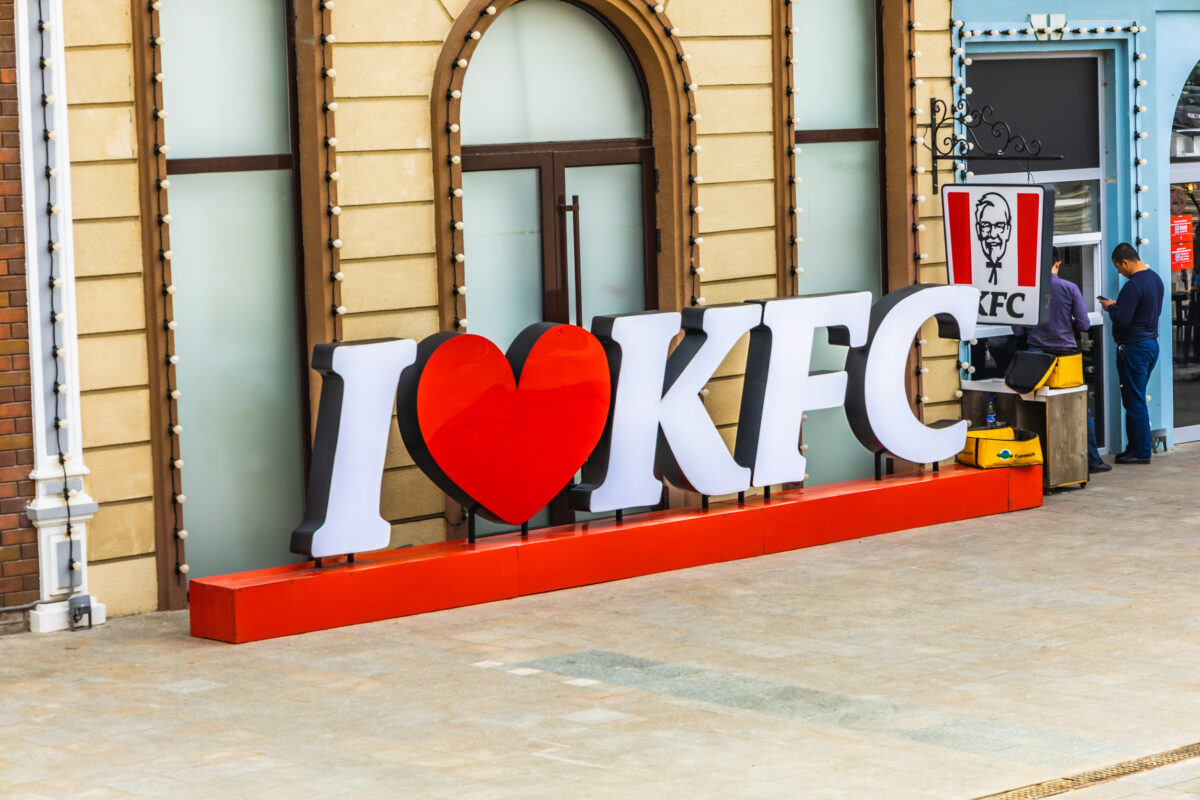
KFC describes Open House as a restaurant built for hospitality, not just efficiency. That language sounds inviting, especially in a fast-food world shaped by drive-thru lanes, delivery apps, and digital ordering screens. It suggests warmth, care, and a return to the feeling of a meal served with intention.
Still, the phrase also raises a sharper question. Why does a brand as famous as KFC need to remind customers that its restaurants should feel welcoming? The answer may be that many fast-food spaces have become efficient without feeling memorable.
The KFC Open House prototype tries to reverse that drift. It wants customers to see KFC as a place again, not only as a pickup point. That is ambitious, but it also suggests the old format may no longer be strong enough on its own.
When the Old Bucket Stops Being Enough
For decades, KFC had one of the clearest identities in American fast food. The bucket, the Colonel, the family meal, and the secret recipe built a simple emotional promise. KFC meant fried chicken that could sit at the center of a table.
That promise still matters, but the market around it has changed. Many younger customers now build meals around tenders, sauces, sandwiches, and smaller customized orders. The classic family bucket no longer carries every occasion.
That is why the KFC Open House prototype feels like a strategic confession. KFC is not only updating its restaurants because design trends have changed. It is updating them because the old symbols need a new reason to matter.
The Chicken Chain Wars Changed the Room
The American chicken market has become crowded with brands that know exactly what they want to own. Chick-fil-A has built loyalty around service and consistency. Popeyes turned a chicken sandwich into a national food event.
Raising Cane’s sharpened the tender-and-sauce model into a clear identity. Wingstop built its appeal around flavor variety and craveable sides. Regional chicken brands also keep gaining attention with tighter menus and stronger local followings.
KFC now competes in a room it once dominated. The KFC Open House prototype appears designed for that new room, where recognition is useful but not enough. Customers may remember the Colonel, but memory does not always win the next meal.
Boneless Chicken Reveals the Chase
KFC’s renewed push into boneless chicken makes sense from a customer standpoint. Boneless meals are easier to dip, share, and eat on the move. They also fit the habits of diners who want flavor without much friction.
Yet this direction also invites comparison with tender-focused rivals. KFC built its legacy on bone-in fried chicken, but the modern growth story often belongs to strips, sauces, and simplified meals. That creates an uncomfortable tension for the brand.
The KFC Open House prototype must make boneless chicken feel like a natural evolution rather than an imitation. If customers sense that KFC is chasing newer chains, the redesign may look reactive. If the food feels distinct, the strategy becomes far more convincing.
Sauces Can Sharpen a Brand, or Blur It
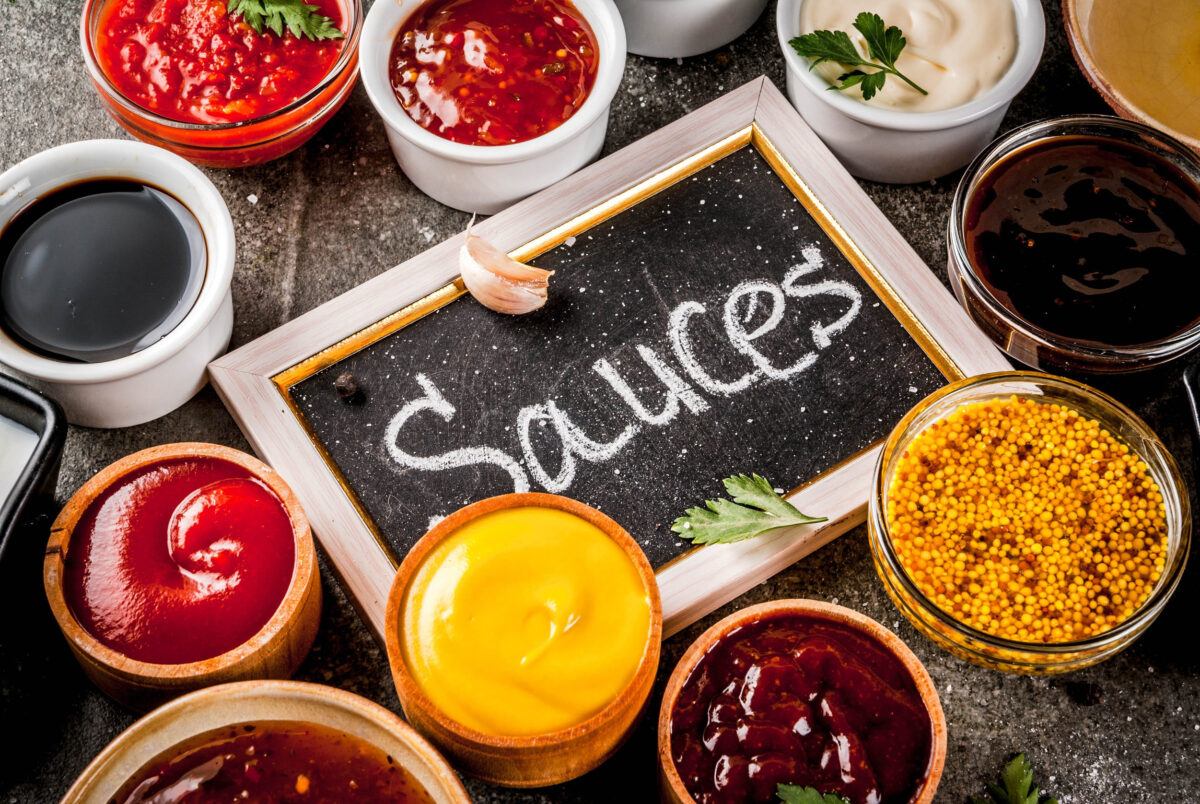
KFC’s plan for more than 20 sauces may be one of the most important parts of the overhaul. Sauces create variety, encourage repeat visits, and give customers a sense of control. They also help a familiar chicken item feel new without changing the whole menu.
Flavors such as Hot Honey Habanero and Chimichurri Ranch point toward a more expressive KFC. They reflect the wider fast-food trend toward bold, social-media-friendly tastes. A good sauce can turn an ordinary order into a personal ritual.
But there is a risk in having too much choice. A long sauce lineup can energize a brand, or it can make the brand feel noisy. The KFC Open House prototype has to prove that flavor variety strengthens KFC’s identity rather than masking uncertainty.
The Danger of Looking Like Every Trend at Once
KFC is not only experimenting with sauces. The broader refresh also includes new drinks in some markets, updated branding, modern interiors, and the separate Saucy by KFC concept. Each idea has a business logic behind it.
The problem is that too many ideas can compete for attention. A brand can look active without looking clear. Customers may wonder whether KFC is a fried chicken house, a tender chain, a sauce bar, a beverage stop, or a fast-casual experiment.
The KFC Open House prototype needs discipline to avoid that confusion. Strong brands do not merely add trends. They absorb selected trends into a clear promise that customers can understand quickly.
Hospitality Sounds Simple Until the Line Starts Moving
Table service gives the Open House concept one of its most interesting features. It can make the restaurant feel warmer and more personal. It also connects to the old Colonel Sanders image of hospitality and care.
But hospitality becomes difficult when speed still matters. A drive-thru customer wants fast service, while a dine-in customer may expect attention and comfort. A restaurant trying to serve both must manage timing with care.
That is where the KFC Open House prototype faces a practical test. The design may look welcoming, but operations will decide whether it works. If table service slows the system or confuses guests, the warm idea may turn into a costly complication.
A Nicer Dining Room Cannot Erase Value Anxiety.
Fast-food customers have become more sensitive to price. Many people now feel that quick-service meals no longer deliver the value they once promised. That pressure affects every restaurant chain, especially those trying to modernize.
KFC can build a warmer dining room, refresh the bucket, and add a stronger sauce lineup. Those changes may improve perception. They do not remove the moment when a customer checks the total and decides whether the meal feels worth it.
The KFC Open House prototype will therefore be judged at the register as much as in the dining room. If customers feel the experience improved without the price feeling punishing, the concept gains power. If the meal feels expensive, the redesign may feel like decoration.
The Colonel Cannot Carry Every Modern Trend.
Colonel Sanders remains one of the most recognizable figures in fast food. His image carries history, personality, and emotional memory. That gives KFC an asset many newer chains cannot copy.
Still, legacy can become fragile when a brand tries to modernize it. If the Colonel looks too old, KFC risks seeming dated. If he looks too polished, the brand risks losing the odd charm that made him memorable.
The KFC Open House prototype depends on that balance. It must honor the Colonel without turning him into a costume for corporate reinvention. The brand needs heritage that feels alive, not nostalgia trapped behind new glass.
Saucy by KFC May Be an Awkward Mirror
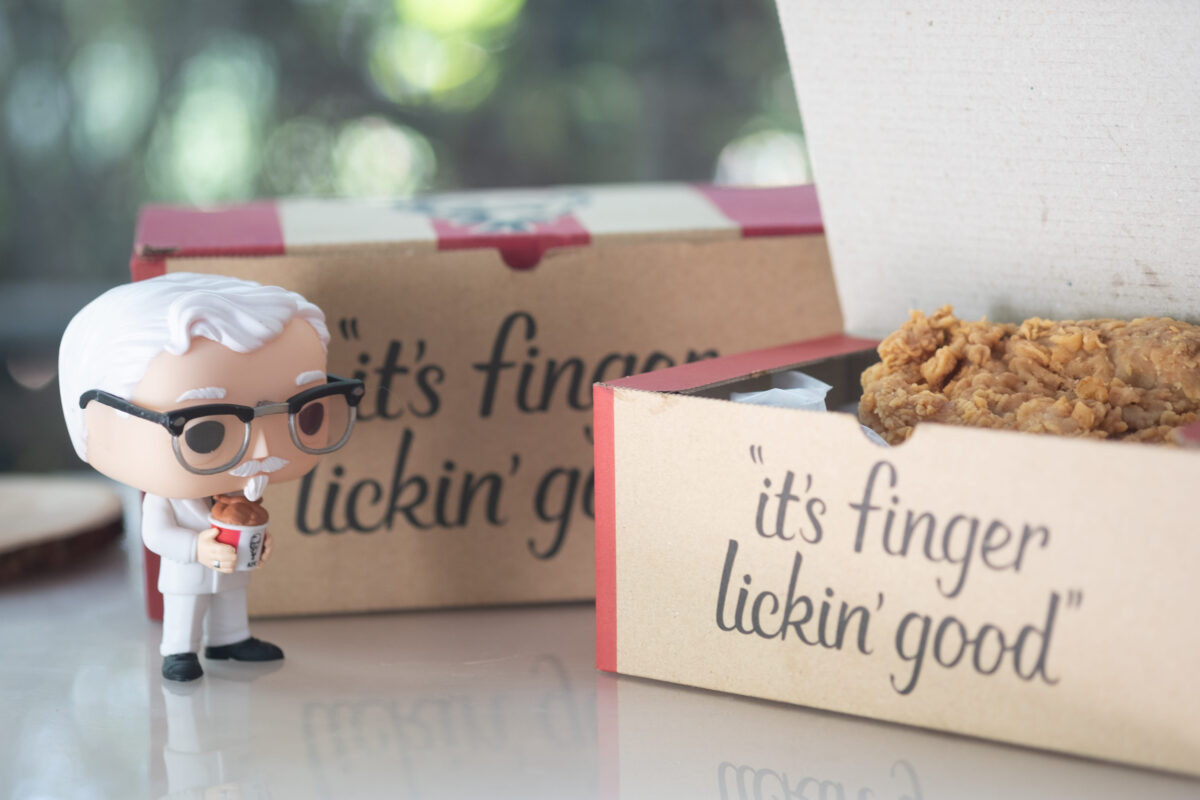
Saucy by KFC shows another side of the company’s future. The concept focuses on tenders, sauces, and a more youthful restaurant identity. It gives KFC room to experiment without forcing the main brand to change overnight.
That freedom is useful, but it creates a delicate comparison. If Saucy feels fresher than traditional KFC, customers may start to see the parent brand as the slower, heavier version. The experiment could become both an opportunity and a mirror.
The KFC Open House prototype seems to borrow some of that newer energy for the main brand. The challenge is to do so without making classic KFC feel like it is chasing its own spinoff. A legacy brand must evolve without looking embarrassed by itself.
A Prototype Can Impress Before It Has to Scale
A single prototype can be carefully controlled. It can receive extra attention, stronger training, and ideal execution. It can also open in a market where corporate teams can watch closely and adjust quickly.
Scaling that prototype is much harder. Older restaurants may not have the space, capital,, or franchise support to easily replicate the design. Different markets may also respond to the concept in different ways.
That is why the KFC Open House prototype should not be judged only by its first impression. The real test comes later, when the idea meets ordinary locations and daily pressures. A concept has to survive beyond the showroom.
The Future KFC Must Feel Clear, Not Just New
The strongest version of KFC’s reinvention would connect all the pieces into a single, clear experience. The design would feel warmer. The service would feel more human. The sauces would create discovery without overwhelming the core chicken identity.
The weaker version would feel crowded. It would add drinks, sauces, table service, modern branding, and boneless items, but it would not answer what KFC uniquely owns. That is the danger facing many legacy brands when they try to modernize quickly.
The KFC Open House prototype can succeed if it makes KFC feel relevant again without making it feel scattered. It must remind customers why the brand mattered in the first place. Then it must give them a new reason to come back.
The Real Open House Test Is Emotional
The McKinney restaurant will likely draw attention for its unusual appearance. Customers may come out of curiosity, especially if the design, sauces, and service feel fresh. Early interest, however, does not equal lasting loyalty.
A restaurant brand becomes strong when customers can describe its value in one sentence. KFC used to own that clarity. The bucket, the Colonel, and the family meal did much of the work.
Now the KFC Open House prototype must create a new kind of clarity. It must show whether KFC can be modern without becoming vague. It must prove that hospitality, flavor, and heritage can still fit under one roof.
KFC’s reinvention is compelling because it carries both promise and unease. The company is reaching for a warmer future at a time when fast food often feels colder, faster, and more transactional. The question is whether Open House will make KFC feel human again or reveal how difficult it has become for an old giant to sound fresh.