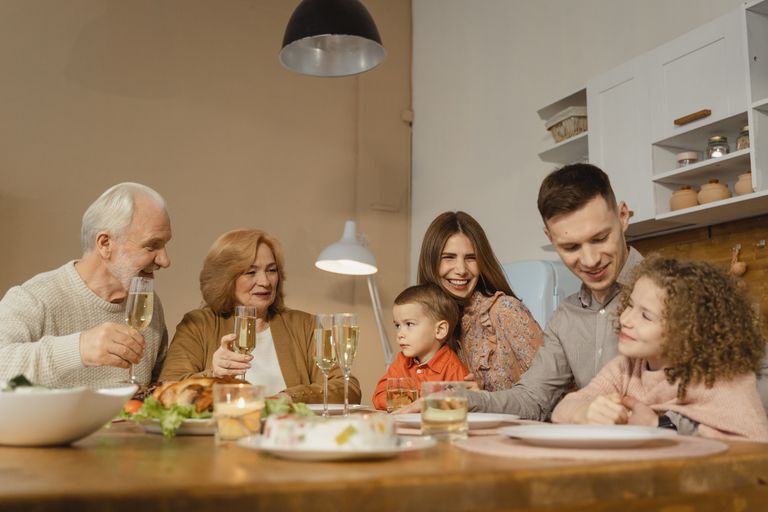
Hobbies people quietly quit as they age
As we move through life, our hobbies evolve. What once brought us joy and excitement may no longer feel the same way, and new interests naturally replace them. This isn’t about losing interest, but rather about recognizing that our physical, emotional, and social needs change over time.
While our priorities shift, this doesn’t mean that joy fades. It simply means that the things that once sparked joy have been replaced by new passions that align with our current needs. Adapting our hobbies to fit our age and lifestyle brings a sense of fulfillment that wasn’t possible when we were younger.
The transition is part of growing older, as we learn to embrace the hobbies that suit our evolving lifestyle, health, and preferences. Here’s a look at how and why we start to quietly outgrow some of the hobbies we once loved.
Late-Night Gaming and Movie Marathons

Late-night gaming sessions and binge-watching movies may have been the highlight of weekends in younger years, but as we age, these activities begin to feel more draining than exciting. The body starts craving more rest, and sleep becomes a priority. Research on sleep patterns shows that as we grow older, keeping a regular sleep schedule is key to health. This shift means that late nights are replaced with more restful activities, which ultimately support mental and physical well-being.
Moreover, as we mature, we start to recognize the importance of relaxation and recovery. Instead of pushing ourselves to stay up late for one more level of a game or episode, we begin to prioritize hobbies that refresh our minds and bodies. This change doesn’t mean abandoning entertainment altogether, but rather finding new ways to enjoy our leisure time without compromising our health.
Collecting Trinkets and Memorabilia
The thrill of collecting items may have once been a key part of our lives. But over time, many find that the desire to accumulate objects fades. Minimalism and decluttering trends have surged, encouraging people to simplify their surroundings. A recent study found that over half of adults over 50 have actively decluttered in the past year, seeing it as both a physical and mental relief.
As we age, we often prioritize emotional experiences over material possessions. We realize that keeping only the items that truly bring joy or serve a purpose enhances our environment. The focus shifts from acquiring more stuff to maintaining a space that feels clear and calming, making room for what matters most.
Learning New Musical Instruments
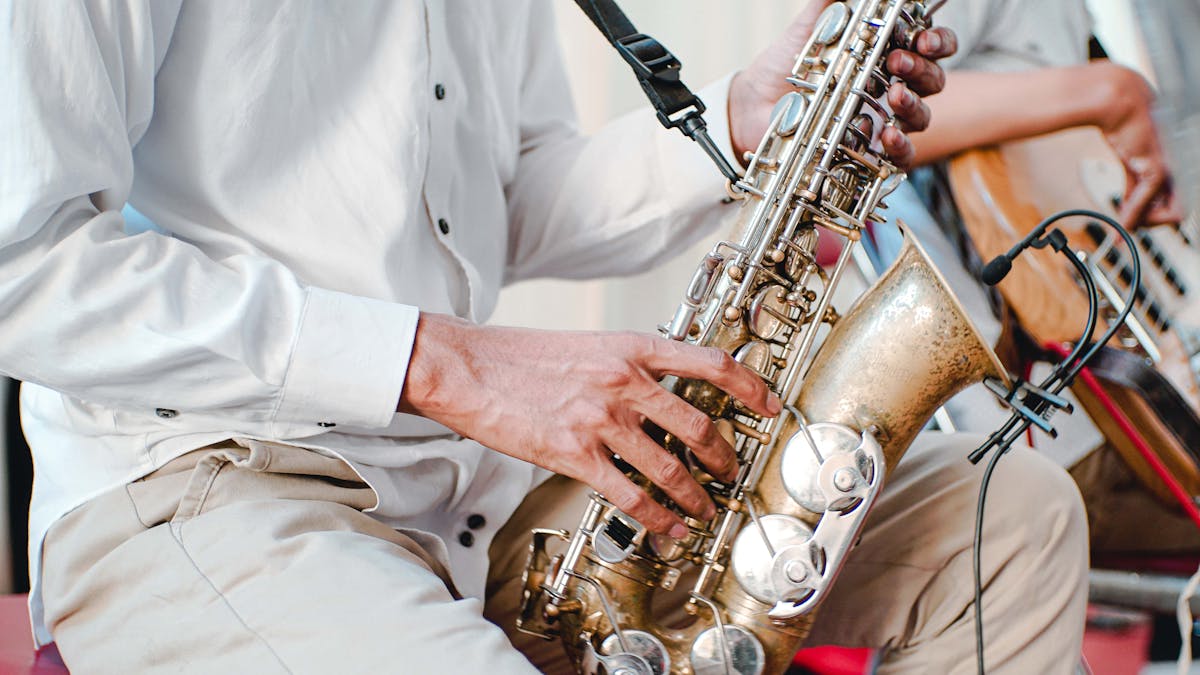
Learning to play a new musical instrument may have been a fulfilling pursuit in younger years, but as time goes on, the motivation and energy for such an endeavor often wanes. The process of learning an instrument requires patience, dedication, and the ability to deal with frustration, qualities that become harder to maintain as responsibilities and other priorities take over. For some, the slow progress can lead to discouragement.
Despite this, the love for music doesn’t disappear. Many older adults continue to engage with music in other ways, whether it’s by listening to their favorite genres, attending concerts, or enjoying simpler forms of musical expression. Music remains a powerful part of life, but the pursuit of mastering an instrument may be replaced with other, more manageable forms of engagement.
The End of Risky Outdoor Adventures
Activities like mountain biking, scuba diving, or running marathons may have once been a regular part of life, but as we age, physical stamina begins to wane. Health studies show that older adults are more prone to joint injuries and other health risks from high-impact sports. With this awareness, many begin to abandon these physically demanding hobbies in favor of gentler activities.
However, this doesn’t mean the end of outdoor adventures altogether. Many older adults find joy in more low-impact outdoor activities like walking, swimming, or hiking. These activities still provide a sense of adventure and connection to nature, but with less strain on the body, allowing people to continue enjoying the great outdoors without compromising their health.
Spontaneous Travel and Adventure
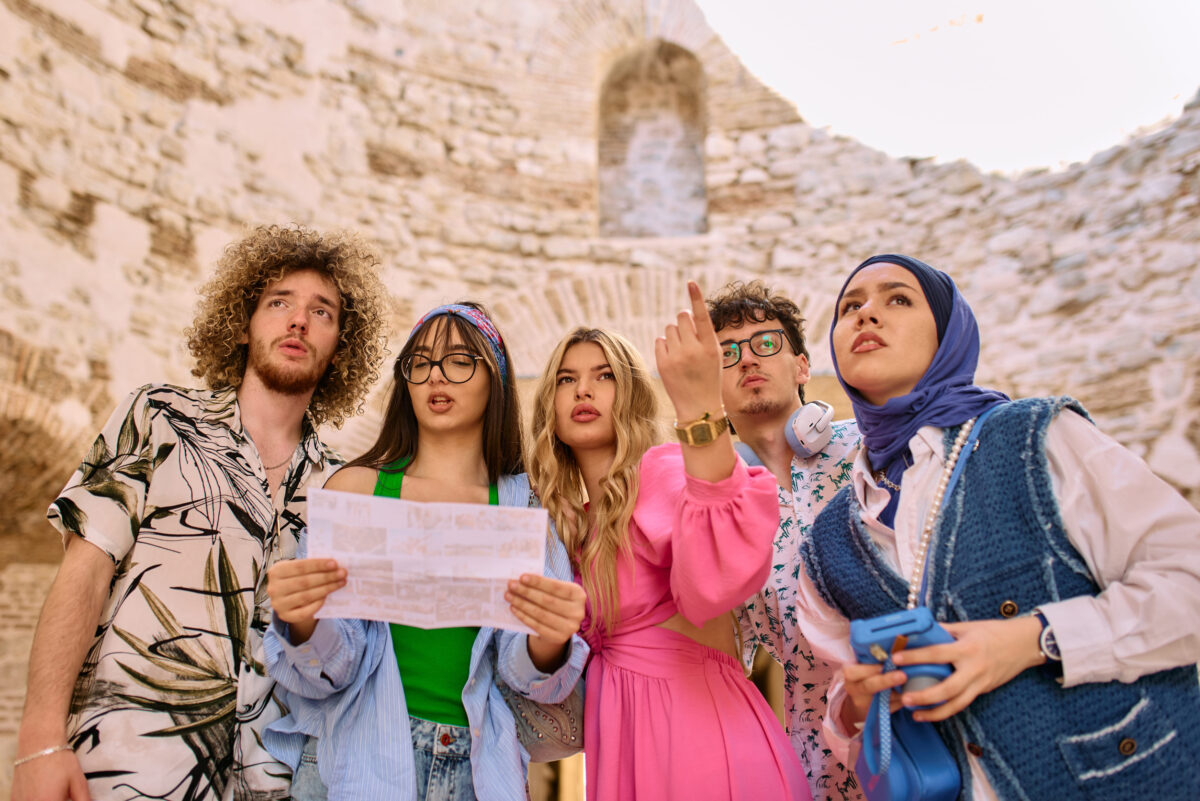
In our youth, spontaneous travel was often the go-to way to explore new places and cultures. However, as we age, the allure of impromptu adventures tends to fade in favor of more carefully planned trips. Comfort becomes a priority, and older adults often prefer guided tours or vacations that focus on relaxation and enjoyment rather than seeking adventure at a moment’s notice.
Travel itself remains an important part of life, but the way we approach it evolves. While younger years may have been marked by impulsive getaways, adulthood brings a more thoughtful approach to exploring the world, with a focus on comfort, relaxation, and cultural immersion rather than fast-paced adventures.
Social Media Challenges and Trends
Social media challenges and viral trends, such as viral dances or lip-syncing, are often left behind as we age. The desire to participate in every viral moment gives way to a more intentional approach to online interaction. Instead of seeking out the latest trends, many older adults use social media to stay connected with family, friends, and like-minded communities.
This evolution in social media usage reflects a broader trend toward deeper, more authentic engagement. Rather than spending time on fleeting viral moments, older adults prioritize maintaining relationships and enjoying content that aligns with their values. This shift helps foster a healthier relationship with technology, emphasizing connection and intentionality over constant stimulation.
Selective Socializing and Family Obligations

As we age, the need to attend every family gathering or social event diminishes. Instead of feeling obligated to attend every gathering, many older adults choose to engage in more meaningful, selective social interactions.
Family dynamics and personal energy levels play a significant role in this shift, and the focus moves from fulfilling social obligations to fostering genuine relationships. This shift is a natural part of growing older and reflects an increasing recognition of the value of quality over quantity in socializing.
While some may feel pressure to attend every family event in younger years, the transition to selective socializing is a sign of emotional maturity. It’s about setting boundaries that prioritize emotional well-being and personal happiness. This shift allows for more fulfilling and intimate relationships, enhancing both mental and physical health.
Conclusion
The hobbies we engage in over the course of our lives naturally evolve. As we age, the things that once brought us joy may no longer hold the same appeal, but that doesn’t mean we lose our ability to enjoy life. Instead, we adapt to new ways of engaging with the world, prioritizing comfort, relaxation, and meaningful experiences.
Letting go of certain hobbies doesn’t signify loss; it signifies growth and the ability to embrace new phases of life with enthusiasm and purpose. The hobbies we choose as we age are not a reflection of who we were, but rather who we are becoming, and the key is to remain open to these changes and the opportunities they bring.