Iran’s Economic Squeeze Deepens as Hormuz Standoff Reaches American Gas Pumps
For families in Iran, the confrontation with the United States is measured less in warships and diplomatic statements than in shrinking paychecks, rising food prices and money that loses value before it can be spent.
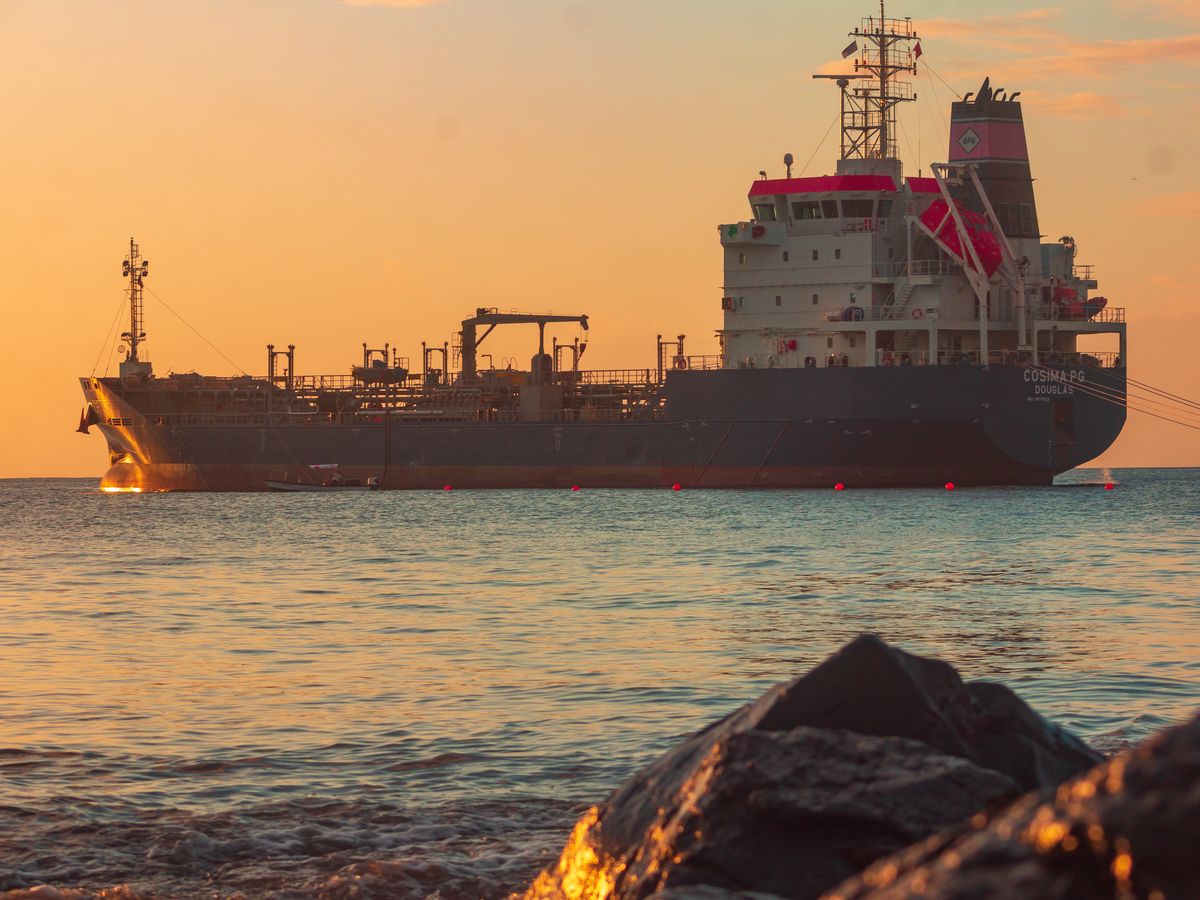
For thousands of sailors stranded aboard commercial vessels in the Persian Gulf, it is measured in months away from home and the fear that another missile or drone could strike without warning.
For Americans, the same crisis can surface at the gas pump, in airline fares and eventually in grocery bills. A narrow waterway thousands of miles away is connecting all three groups.
Iranian officials continue to project strength as they negotiate over the Strait of Hormuz. Behind that public posture, however, reports indicate that senior officials fear the U.S. naval blockade and continuing sanctions could push Iran’s already battered economy toward collapse.
The latest development offers a small opening, but no immediate solution.
A shipping agreement is close, but the strait may stay restricted
Iranian Foreign Minister Abbas Araqchi said Sunday that an agreement with Oman defining new shipping lanes through the Strait of Hormuz was in its “final stages”.
The proposed arrangement would establish routes vessels could use if the wider conditions for reopening the strait are met. It would not, by itself, restore normal commercial traffic, according to Iranian officials.
Tehran says the United States must lift its blockade of Iranian ports, ease sanctions, release frozen Iranian assets, end military threats and compensate Iran for wartime damage. Iran also wants a larger role in overseeing vessels entering the Persian Gulf.
Washington has presented a different sequence.
“There is progress between Oman and Iran on the Strait, and we expect a deal soon,” an unnamed U.S. official told Reuters on Friday. The official said the blockade of Iranian ports would be lifted once an agreement restoring shipping “without impediments” was announced.
That difference is crucial. Washington wants commercial passage restored before changing its pressure campaign. Tehran wants U.S. concessions before fully reopening the waterway.
Iran also says it will not begin direct talks with the United States while Washington is violating a June interim agreement. Indirect messages are still moving through intermediaries, but a permanent settlement remains uncertain.
Public defiance meets private economic anxiety
The confrontation has become a test of which country can tolerate economic pressure longer.
The United States is restricting Iran’s ability to export oil, one of Tehran’s most important sources of foreign currency. Iran, meanwhile, is using its ability to disrupt the Strait of Hormuz to raise the cost of the conflict for Washington and the global economy.
Fortune reported that Iranian President Masoud Pezeshkian and the country’s central bank leadership had warned Iran’s supreme leader about the severity of the country’s economic position. The account was based on reporting attributed to senior Iranian officials.
Iran’s government did not publicly confirm every detail of those private discussions. However, the broader economic decline is supported by international data.
The World Bank estimated that Iran’s economy contracted by 2.7% during the Iranian year ending in March 2026. It also reported that intensified sanctions, conflict and limited access to foreign currency contributed to a 44% year-over-year currency depreciation in early March.
The International Monetary Fund’s April 2026 database projected Iranian inflation at 68.9% for the year. Forecasts can change, particularly during a conflict, but the figure illustrates the scale of the pressure confronting households.
When a currency falls that sharply, economic damage enters daily life quickly. Imported medicine becomes more expensive. Businesses struggle to replace equipment, and workers discover that the same salary buys less food than it did weeks earlier.
These pressures do not prove that Iran’s government is about to collapse. They do explain why sanctions relief and access to frozen assets have become central demands rather than secondary negotiating points.
Thousands of sailors remain caught between governments
Some of the crisis’s most overlooked victims are the civilian workers stranded at sea.
The Guardian reported that more than 6,000 seafarers aboard roughly 500 vessels remained stuck in the Gulf. Crew members have faced isolation, uncertainty and the danger of attacks on commercial shipping.
The United Nations had already called for safe passage and the repatriation of about 6,000 stranded sailors. A spokesperson for U.N. human rights chief Volker Türk urged the parties to ensure that crews could disembark safely and receive critical supplies.
The human toll is difficult to capture in oil charts. These workers live aboard vessels that may have enough provisions but no safe route home. Their families must monitor every report of an attack, often without knowing when the crews will be released.
One recent incident involved the cargo ship Minoan Pioneer, which was hit by an unidentified projectile in the strait, according to the Guardian. A fire followed, and one crew member was reported missing.
Responsibility for every maritime incident has not been independently established. Claims made by Iran, the United States and Gulf governments should therefore be attributed carefully rather than presented as settled fact.
Why the standoff matters to American households
Before the conflict, approximately one-fifth of the world’s traded oil and liquefied natural gas moved through the Strait of Hormuz. That makes disruption there a direct threat to global energy supplies.
Saudi Aramco CEO Amin Nasser said the conflict had removed 2.6 billion barrels of oil from the global market since February. He estimated that replacing those lost inventories could take 18 months even if the strait reopened immediately.
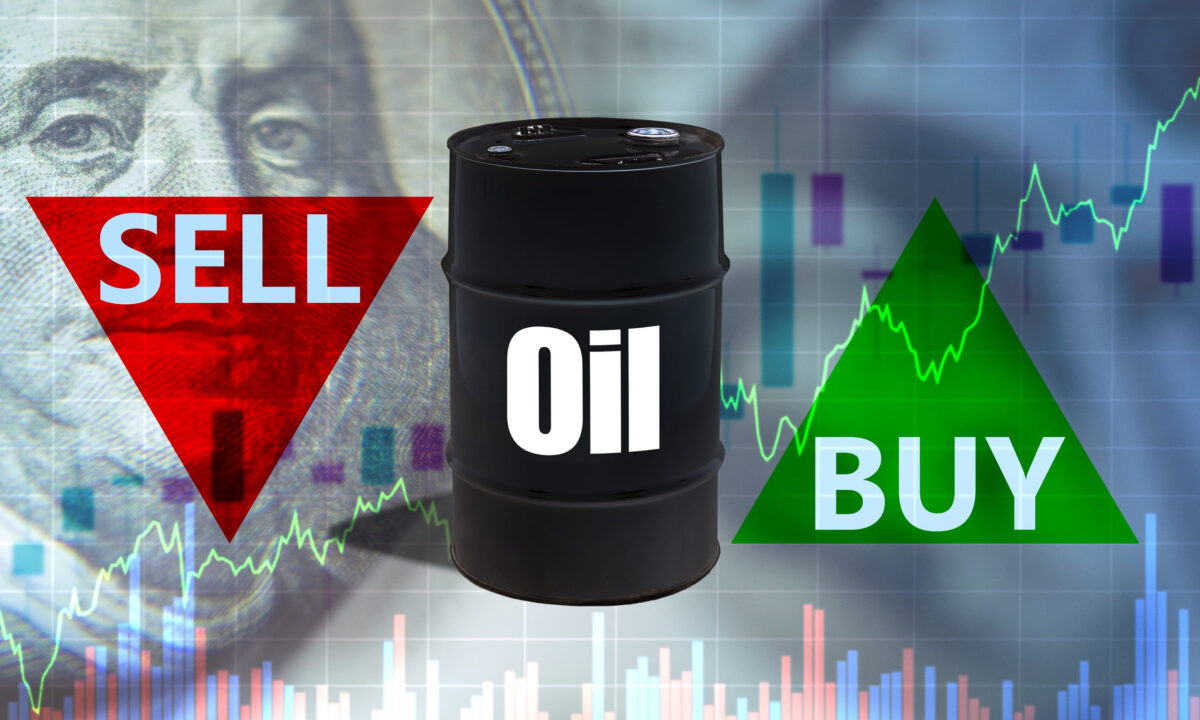
Goldman Sachs said it expected Brent crude to remain in the $80 to $90 range until a U.S.-Iran agreement or another major change in the conflict. Oil forecasts are uncertain, but sustained increases can reach U.S. consumers through gasoline, diesel, air travel and delivery costs.
The effects may eventually move beyond energy. The Gulf is an important source and transit region for fertilizer, while modern farming depends heavily on fuel. Higher fertilizer and transportation expenses can raise production costs for American farmers and contribute to higher food prices.
The U.N. Conference on Trade and Development has warned that vulnerable, import-dependent economies face even greater risks. For poorer countries, increases in food and transportation costs can deepen hunger and worsen childhood malnutrition.
Trump says Washington is watching the pressure work
President Donald Trump signaled Sunday that his administration was in no hurry to abandon its economic strategy.
“We’re low-keying it,” Trump told Axios, according to Reuters, as he emphasized Iran’s inflation and financial distress. His comments suggested that Washington currently sees continued economic pressure as preferable to a rapid expansion of direct military action.
Iran is applying pressure of its own. By keeping traffic through Hormuz severely restricted, Tehran can tighten energy supplies and increase costs for governments that depend on stable oil markets.
That makes the confrontation more than a dispute over navigation rights. It is a struggle in which economic hardship has become negotiating leverage.
A deal between Iran and Oman could create a practical route for commercial vessels. Yet it will not settle the larger disputes over sanctions, compensation, frozen assets, military operations and control of the strait.
Until those questions are resolved, the burden will continue to fall on people far removed from the negotiating rooms: Iranian parents watching prices change, sailors waiting for safe passage home, and American families paying more to drive, travel, and eat.