Jarred Spaghetti Sauce Tastes Homemade With This One Addition Grandma Swore By
There is no shame in reaching for a jar of spaghetti sauce on a busy weeknight. Millions of American families do it every week. Jarred sauce is affordable, convenient, and far better than it was a few decades ago. But even the best store-bought sauce can taste a little flat, a little too sharp, or just plain ordinary straight out of the jar.
Grandmothers who cooked through the 1950s, 1960s, and 1970s had a simple fix for that problem. They did not spend hours simmering tomatoes from scratch every night. Instead, they reached into the refrigerator for an ingredient that was always on hand and stirred it into the pot just before serving.
That ingredient is butter. A pat or two of butter, added at the end, can turn a jar of sauce into something that tastes rich, smooth, and homemade. Here is why it works, how to do it, and a few more old-fashioned tricks for making jarred sauce shine.
Why Butter Works So Well
Tomato sauce is naturally acidic, and many jarred sauces have a sharp, tangy edge. Butter helps soften that acidity. Its fat coats the tongue and rounds out the flavor, making the sauce taste mellower and more balanced.
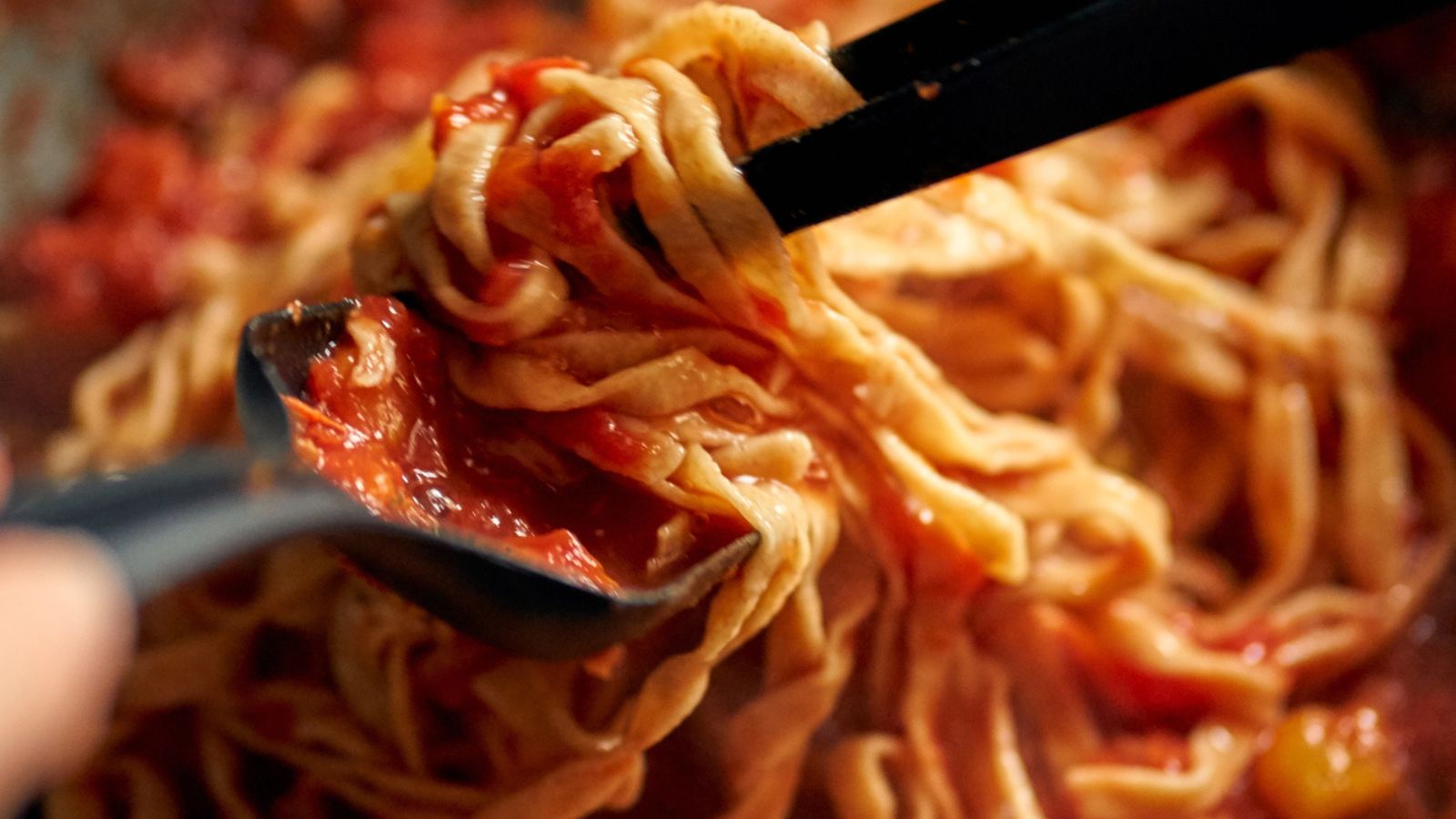
Butter also changes the texture. When it melts into a hot sauce, it creates a silky, glossy finish that clings to pasta. Food writers at Food Republic describe butter as one of the easiest ways to add richness and homemade flavor to store-bought sauce.
In professional kitchens, chefs often finish sauces by whisking in cold butter, a technique known as “mounting.” It is the same idea Grandma used, just with a fancier name.
A Famous Recipe Built on Butter
Butter in tomato sauce is not just a home cook’s shortcut. It is the heart of one of the most famous tomato sauces in the world. Marcella Hazan, the beloved Italian cookbook author, made a simple sauce with canned tomatoes, an onion cut in half, and five tablespoons of butter.
The sauce simmers for about 45 minutes, and the onion is removed before serving. The result is sweet, rich, and remarkably smooth. Many home cooks who try it are amazed that something so simple can taste so good.
Hazan’s sauce shows just how much butter can do for tomatoes. Adding a little to jarred sauce borrows the same magic in a fraction of the time.
How to Do It
The trick is simple. Heat your jarred sauce in a saucepan over medium heat until it is hot and bubbling gently. Turn off the heat, then stir in one to two tablespoons of butter per jar until it melts completely.
Adding the butter at the end is important. If it cooks too long, the butter flavor can fade, and the sauce may separate. Stirring it in off the heat keeps the sauce smooth and glossy.
Unsalted butter is a good choice, since many jarred sauces are already fairly salty. Taste the sauce after adding the butter, and adjust the seasoning if needed. Start with a small amount, since too much butter can make the sauce feel heavy.
Other Tricks Grandma Used
Butter is the star, but many grandmothers had a few more tricks for dressing up a jar of sauce. One of the most common was sautéing onion and garlic in olive oil or butter before adding the sauce. This gave the sauce a fresh, homemade flavor.
Some cooks added a pinch of sugar to cut acidity, especially in sauces that tasted sharp. Others stirred in a splash of red wine and let it simmer for a few minutes. Dried oregano, basil, or a bay leaf added more depth.
A Parmesan rind was another favorite trick. Thrifty cooks saved the hard ends of their cheese and dropped them into the simmering sauce, where they added rich, savory flavor. The rind was removed before serving. It is one of many clever kitchen tricks for home cooks that never go out of style.
Don’t Forget the Pasta Water
Another simple trick is to save a little of the water you cooked the pasta in. Pasta water is full of starch, which helps the sauce cling to the noodles. Adding a few spoonfuls to the sauce can make it smoother and help it coat the pasta better.
Many Italian cooks finish their pasta by tossing the cooked noodles in the sauce with a splash of pasta water. This helps the sauce and pasta come together into one dish rather than sitting on top of each other. Combined with a pat of butter, pasta water can make a jar of sauce taste like it came from a restaurant kitchen.
Choosing a Good Jar to Start With
The butter trick works best when you begin with a decent sauce. Many cooks look for jars with a short ingredient list that starts with tomatoes rather than water or sugar. A plain marinara or tomato-basil sauce gives you more room to add your own flavors than a heavily seasoned one.
It also pays to check the sodium on the label, since some jarred sauces are quite salty. Starting with a lower-sodium jar lets you season it yourself with a pinch of salt, a little Parmesan, and that all-important pat of butter.
Make It a Meal
Once your sauce tastes homemade, it is easy to turn it into a hearty dinner. Browned ground beef or Italian sausage makes a quick meat sauce. Sautéed mushrooms, peppers, or spinach add vegetables. Leftover chicken can be stirred in for extra protein.
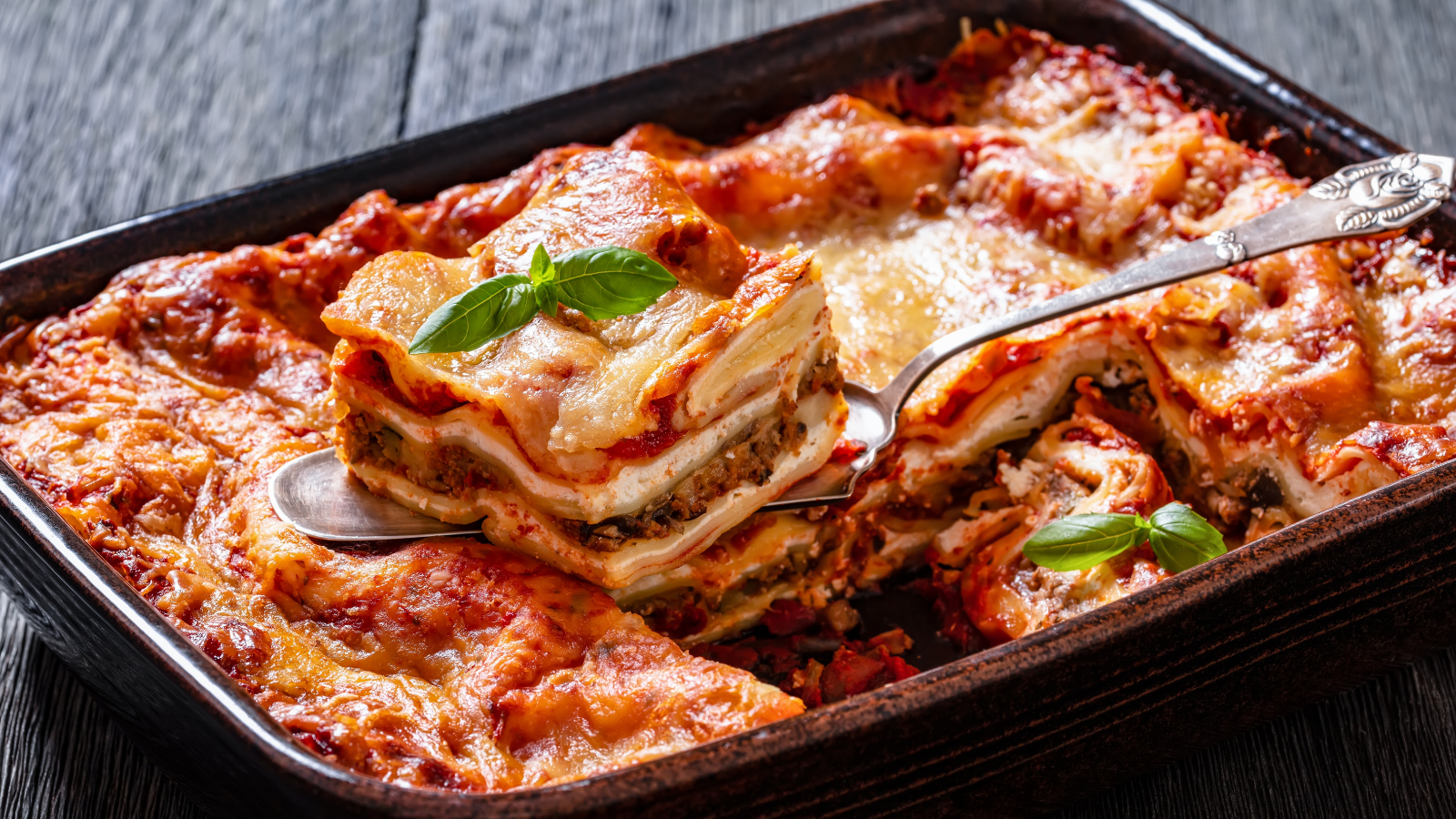
Many families also use doctored-up jarred sauce for baked ziti, lasagna, or chicken Parmesan. It saves time without sacrificing flavor. A simple green salad and garlic bread complete the meal.
This approach is perfect for busy weeknights. It is one of the easy dinner ideas for nights when you don’t feel like cooking.
Why Grandma’s Way Still Works
Grandma did not always have time to cook everything from scratch, and neither do most families today. Her tricks were about making the most of what she had. A little butter, a bit of onion, and a few herbs could turn an ordinary meal into something special.
These small touches are what made her cooking taste so good. They did not take much time or money, but they made a big difference. Today, they are just as useful as ever.
Do you add anything special to jarred spaghetti sauce, or did your grandmother have her own secret? Many readers say a spoonful of sugar or a pat of butter is the one thing they never skip.