John Rich’s Trump Role Opens a Bigger Fight Over Who Controls America’s Farmland
John Rich joining the Trump administration may look like a celebrity political story at first glance, but the deeper issue is far bigger than Nashville fame. This is a story about land, power, inheritance, energy, and the growing fear that rural America is being asked to carry the weight of decisions made far away from the people who live with the consequences.
The country music star has been named Special Envoy for American Landowners, a role centered on advocating for farmers, ranchers, and private property owners. The appointment puts Rich directly in the middle of one of the most emotional debates in America today: who gets to decide what happens to the land when government agencies, energy developers, activists, utilities, and private companies all want a say.
We are not just watching a singer step into politics. We are watching farmland become a national battleground.
John Rich’s New Role Is About More Than a Political Appointment
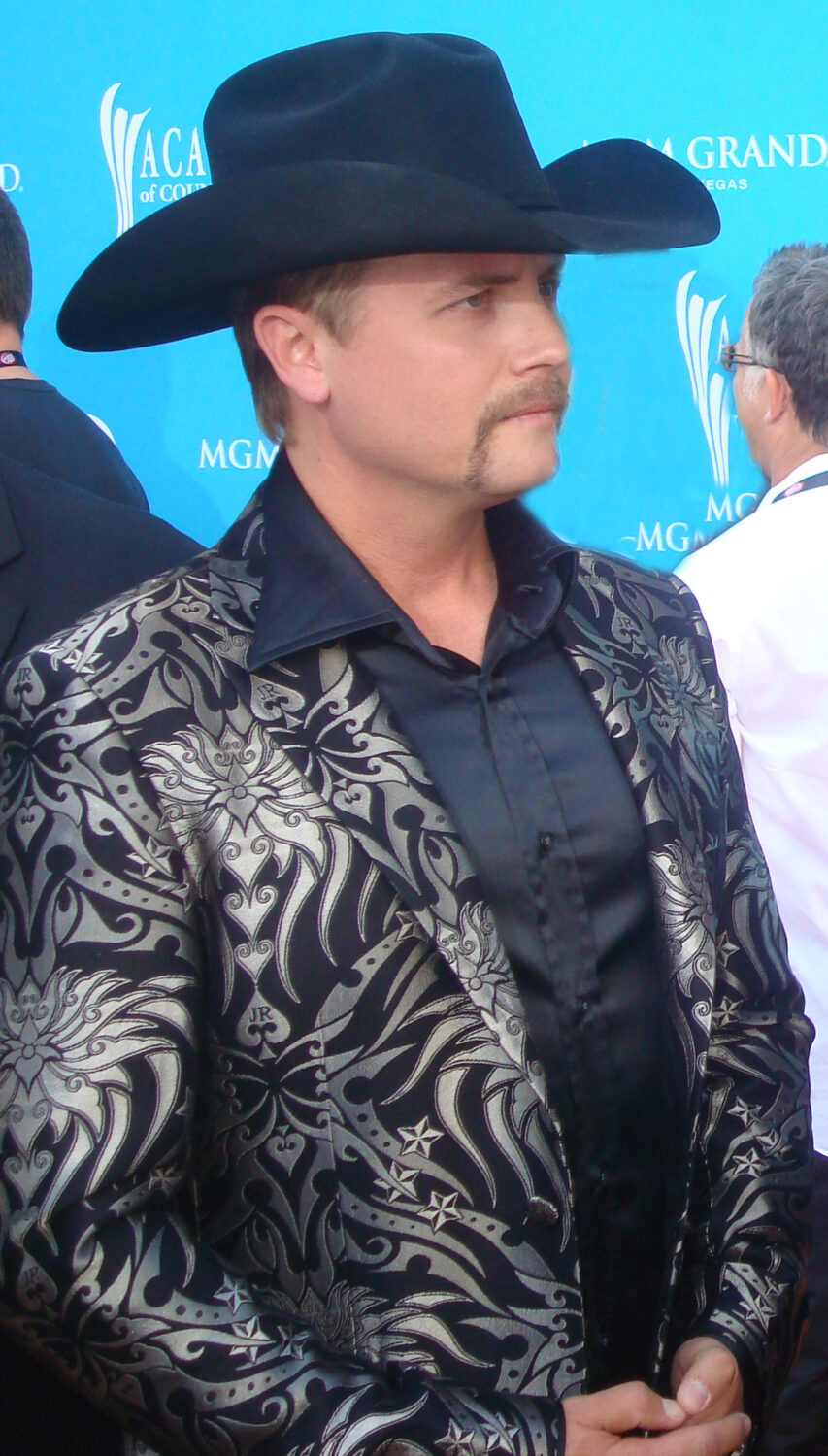
John Rich is not entering this role as a quiet adviser hidden behind a desk. He is stepping into it as a public voice with a built-in audience among rural conservatives, country music fans, farmers, ranchers, and Americans who already worry that private property rights are being weakened.
The USDA says Rich will serve as a leading advocate for America’s farmers, ranchers, and private landowners. His role is expected to involve direct engagement with landowners and attention to concerns involving government overreach, outside pressure, activist campaigns, and threats to rural communities.
That wording matters because it speaks directly to people who feel rural land has become too easy for powerful interests to target. For them, this appointment is not simply symbolic. It sounds like Washington is finally saying the fence line still matters.
The Real Story Is Who Controls the Countryside
The appointment lands at a time when rural America is under pressure from several directions at once. Farmland is being eyed for solar fields, wind projects, transmission lines, pipelines, data centers, housing expansion, highways, warehouses, and conservation programs.
To outsiders, that land may look empty. To families who own it, that land may hold a century of labor, debt, sacrifice, memory, and identity. A pasture can be a balance sheet, but it can also be a grandfather’s life’s work.
That is why land fights become so emotional. They are rarely just about acreage. They are about whether local families still have the power to shape the future of the places they inherited.
Farmland Loss Gives This Story Its Urgency
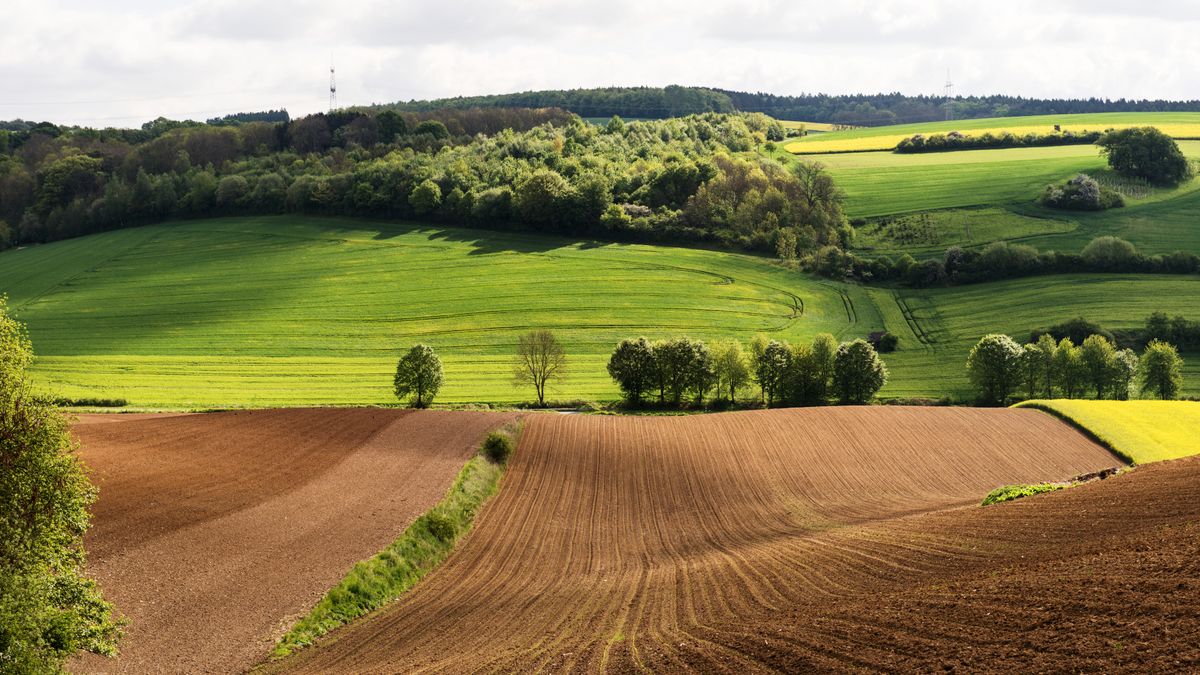
The numbers behind this debate are hard to ignore. The United States had about 1.9 million farms in 2022, down from more than 2 million in 2017. Land in farms fell to about 880.1 million acres, a decline of more than 20 million acres over that same five-year period.
That means the country is not arguing about land in a vacuum. America is already losing farms, losing farmland, and watching the average farm grow larger as smaller operations disappear or consolidate.
For many rural families, that trend feels like a warning. When another outside project arrives, whether it is a solar field, pipeline, or transmission corridor, it can feel like one more push against a way of life already under strain.
Why Solar and Wind Are Not the Same Land Fight
One way to make this story more accurate is to avoid treating every renewable energy project the same. Solar and wind often affect farmland differently, and that difference matters to landowners.
Wind turbines usually take up a smaller physical footprint, allowing farming or grazing to continue around them in many cases. Solar projects tend to cover more ground directly, which can make the land-use trade-off feel more immediate and visible.
That does not mean every solar project is harmful, nor that every wind project is harmless. But it does mean rural communities may react differently depending on whether the project changes a skyline, covers a field, affects drainage, increases road traffic, or alters the character of a county.
The Hard Truth: Some Farmers Want the Lease Money
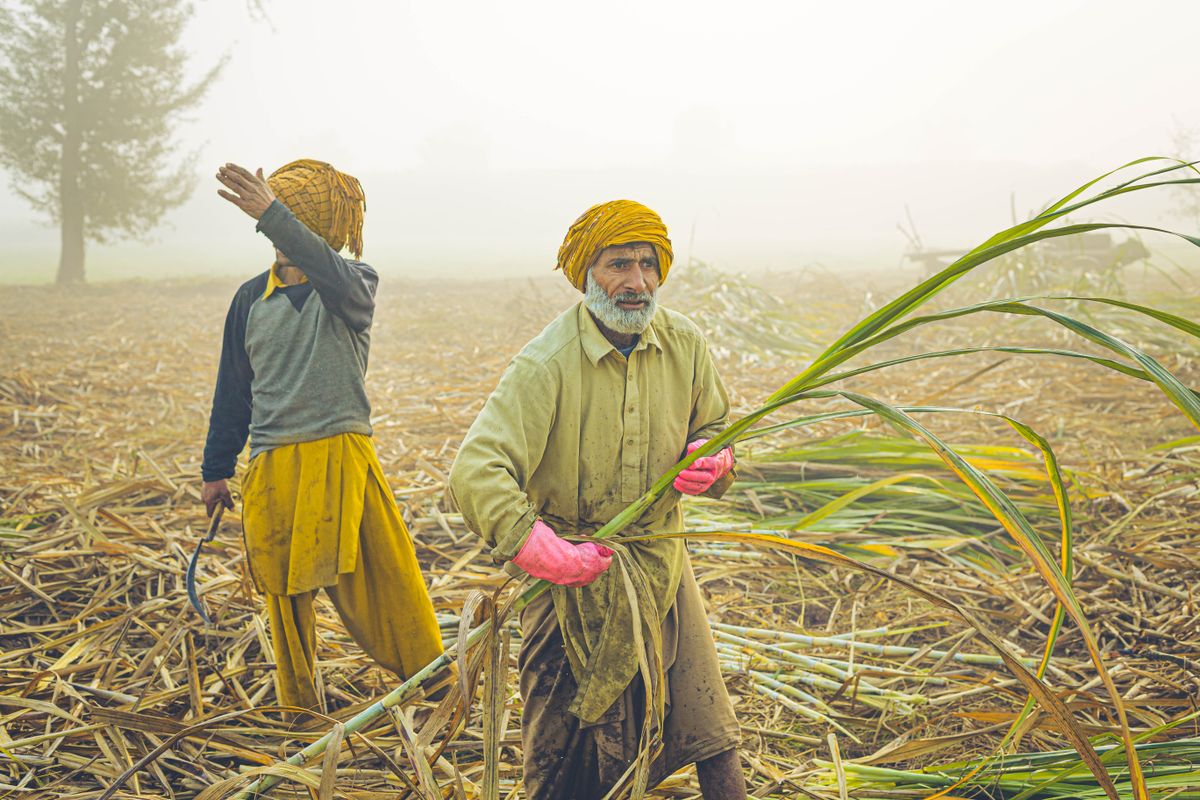
A stronger version of this article should not pretend that every landowner opposes energy development. Some farmers may welcome solar or wind lease payments because farming is expensive, unpredictable, and often brutally thin on profit.
For a family facing high equipment costs, crop uncertainty, rising interest rates, succession questions, or retirement pressure, a land lease can feel like a lifeline. It can help keep land in the family rather than forcing a sale to developers or investors.
That is where the debate becomes complicated. Landowners’ rights must include the right to refuse pressure, but they should also include the right to enter into a voluntary agreement. A serious property rights agenda cannot protect one kind of landowner while silencing another.
AI Power Demand Is Quietly Fueling the Land Debate
The rural land fight is no longer just about climate policy. It is also about America’s growing hunger for electricity.
AI, data centers, manufacturing, electric vehicles, cooling demand, and grid upgrades are all increasing pressure for new energy projects. When the country needs more power, rural counties often become the places where generation, storage, transmission, and infrastructure get built.
That gives Rich’s appointment a more modern edge. The debate is not only about farms versus solar panels. It is also about whether the countryside will become the energy foundation for a digital economy that may be powered far from the communities that host the infrastructure.
Data Centers Add a New Layer of Rural Anxiety
Data centers are becoming a major part of the national energy conversation. They require land, water, grid capacity, backup power, and local incentives. In some communities, residents worry they will bring heavy utility demand without enough long-term jobs to justify the disruption.
That matters because the same rural counties being asked to consider solar, wind, and transmission projects may also face pressure from data center growth. A county may be told that one project is necessary for clean energy, another for grid reliability, and another for technology competition.
At some point, local residents begin asking a simple question: how much can one community absorb before its identity changes?
County Meetings May Become the Real Battlefield
The biggest drama in this story may not happen in Washington. It may happen in county commission rooms, zoning hearings, planning board meetings, courthouse disputes, and local utility filings.
That is where neighbors argue over setbacks, road damage, tax revenue, views, noise, drainage, emergency access, decommissioning rules, and whether a project fits the community. These meetings often expose the split inside rural America itself.
One family may see a project as a paycheck. Another may see it as a threat to the land next door. One county official may see new tax revenue. Another may fear anger from voters who believe local control is slipping away.
John Rich Brings Cultural Trust That Agencies Often Lack
The Trump administration’s choice of John Rich is politically sharp because he can reach audiences that federal agencies often struggle to reach. A USDA announcement may not move rural America emotionally, but a country star talking about land, family, and pressure can travel fast.
Rich also brings a storytelling advantage. Land policy can sound dry until someone connects it to a farmhouse, a family cemetery, a seized field, a disputed pipeline, or a neighbor who feels bullied by a project too big to fight alone.
That is why the appointment could resonate even with people who do not follow federal policy closely. Rich gives the issue a face, a voice, and a cultural frame.
The Protest Song Angle Makes the Story More Personal
Rich’s advocacy is not coming out of nowhere. His recent public fight over landowner concerns in Tennessee and his protest song connected him to property rights debates before this federal role was announced.
That detail makes the story more compelling by giving readers a before-and-after arc. He was not simply selected because he is famous. He had already turned a rural land dispute into a public cause.
For supporters, that gives him credibility. For critics, it may raise questions about whether the role will elevate one political viewpoint over a more balanced approach to land policy. Either way, it adds drama and specificity to the appointment.
The Private Property Argument Cuts Both Ways
The strongest version of this story must admit something many political arguments avoid: private property rights can point in opposite directions.
A farmer who does not want a utility, agency, or developer crossing his land deserves serious protection. But a farmer who wants to lease acreage for energy income may also argue that private property means he should be allowed to make that choice.
This is the tension Rich’s role will have to navigate. If landowner rights only mean stopping projects, the argument becomes narrow. If landowner rights mean fair treatment, transparent contracts, local respect, and freedom from intimidation, the role becomes much stronger.
What Landowners Should Watch Before Signing Any Deal
One useful angle for readers is the contract risk behind land deals. Before signing an energy, pipeline, transmission, or access agreement, landowners should understand the full length of the contract and whether it binds children, heirs, or future buyers.
They should look closely at decommissioning terms, road repair, drainage damage, fencing, weed control, liability, taxes, insurance, payment timing, inflation adjustments, and who pays legal costs if something goes wrong.
This is where federal attention could become practical. If Rich’s role helps landowners ask better questions before signing long-term agreements, the appointment could move beyond politics and become genuinely useful.
Rural America Does Not Want to Be Treated Like Empty Space
A powerful emotional angle is the feeling that rural America is often treated as open land for national needs. Cities need electricity, tech companies need power, governments need infrastructure, and developers need space. Rural communities are often where those needs land.
That can create resentment. Some residents may feel that urban America gets the benefit while rural America gets the disruption. The data center gets the electricity. The company gets the contract. The city gets the digital convenience. The county gets the traffic, the hearings, the land debate, and the divided neighbors.
That perception is exactly why this appointment could generate attention. It speaks to a long-running belief that rural America gives more than it receives.
What This Means for Farmers, Ranchers, and Local Families
For farmers and ranchers, Rich’s appointment may feel like validation. It suggests that the landowner’s voice will not be treated as a side issue in national conversations about energy, infrastructure, and economic development.
For local families, the role could bring more attention to disputes that usually remain buried in small-county meetings. A landowner who once felt ignored by a large agency or developer may now believe there is a higher level of visibility.
But expectations should stay realistic. A special envoy is not a judge, zoning board, or court. The role may influence conversations, elevate complaints, and shape messaging, but actual land outcomes will still depend on law, contracts, local rules, agency decisions, and political pressure.
Why This Story Will Keep Growing
This story has staying power because it sits at the intersection of several hot issues: Trump politics, celebrity influence, farmland loss, renewable energy, AI power demand, rural anger, property rights, and local control.
It also gives readers something to argue about. Should landowners be protected from large projects? Should willing farmers be free to sign lucrative leases? Should rural counties host the infrastructure that powers cities and tech companies? Should federal officials step in when landowners say they are being pressured?
Those questions will not disappear after the appointment headline fades. They will continue showing up in county hearings, farm kitchens, courtrooms, state legislatures, and national energy debates.
A Bigger Rural Fight Has Just Found Its Loudest Voice
John Rich’s appointment to the Trump administration as Special Envoy for American Landowners is more than a personnel announcement. It is a signal that farmland, property rights, and rural control are becoming front-line political issues.
The appointment gives rural landowners a louder microphone at a moment when many feel squeezed by development, regulation, energy demand, and outside influence. It also forces a harder national conversation about what America expects from its countryside.
We are watching a country star step into a land fight that touches food, energy, family inheritance, and the future of small-town America. That is why this story matters, and that is why it is likely to keep stirring debate far beyond Washington.