Mazie Hirono Says SAVE America Act Is “Not a Voter ID Bill” But a Voting Access Fight
The debate over the SAVE America Act has intensified as Democrats and Republicans clash over what the legislation would mean for American elections.
Sen. Mazie Hirono is pushing back against Republican arguments that the bill is simply a voter identification measure, accusing supporters of using the language of election security to justify restrictions she believes could make voting harder for eligible Americans.
Republicans supporting the bill say it is designed to ensure that only U.S. citizens participate in federal elections. The legislation, known as the Safeguard American Voter Eligibility (SAVE) America Act, would require documentary proof of citizenship when registering to vote in federal elections and establish photo identification requirements.
But Hirono argues the focus should not only be on election security. She says the bigger question is whether new requirements could prevent eligible citizens from registering or casting ballots.
Hirono challenges the way Republicans are selling the bill

The fight centers on a disagreement over what the SAVE America Act actually represents.
Republicans have described the legislation as a common-sense election integrity measure. They argue that requiring proof of citizenship protects the voting process and prevents noncitizens from participating in federal elections.
Democrats, including Hirono, see it differently.
In a Senate floor speech, Hirono argued that the bill goes beyond the traditional discussion of showing identification at the polls. She said the proposal would require Americans to provide documents proving citizenship before they can register to vote.
“This bill is not just about showing a picture ID when voting,” Hirono said during her remarks. “This bill is about proving citizenship in-person before you can even register to vote.”
Her criticism is that many Americans may not have immediate access to documents such as passports or birth certificates, creating additional hurdles for people who are otherwise legally eligible to vote.
The senator has repeatedly referred to the legislation as the “SAVE Trump Act,” arguing that she believes the bill’s impact would be less about protecting elections and more about limiting participation.
Republicans say the bill protects election integrity
Supporters of the SAVE America Act reject claims that the legislation is designed to suppress voting.
The bill’s backers argue that citizenship verification is a basic safeguard. They point to existing federal law, which already requires voters to be U.S. citizens, and say the legislation would strengthen enforcement of that requirement.
The bill states that states would be required to obtain documentary proof of U.S. citizenship before accepting voter registration applications for federal elections. It also outlines acceptable documents, including certain government-issued identification and citizenship records.
Republican lawmakers have argued that similar identification requirements already exist in everyday activities, such as opening bank accounts or applying for government services.
The central Republican argument is that voters should have confidence that elections are limited to eligible citizens.
The central Democratic argument is that the proposed requirements could create unnecessary barriers for millions of Americans.
That disagreement has made the SAVE America Act one of the most politically charged election issues in Washington.
A broader battle over voting rules and election trust
The fight over the SAVE America Act comes as lawmakers continue debating how to balance election security with access to the ballot.
For Republicans, the issue is about preventing potential weaknesses in the registration system and ensuring public confidence in elections.
For Democrats like Hirono, the concern is that additional documentation requirements could create problems for eligible voters who face challenges obtaining specific records.
Hirono has argued that the debate should not be framed only around whether voters support identification requirements. Instead, she says lawmakers must consider the practical effect of new rules on people trying to register.
“Republicans want to sell the SAVE Trump Act as a voter ID bill. But that is not the reality,” Hirono said in a statement criticizing the legislation.
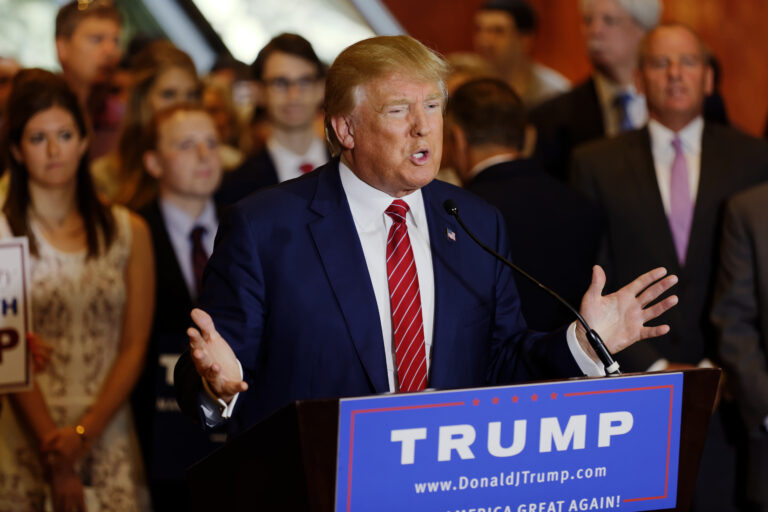
The controversy has also drawn attention from other political leaders. President Donald Trump has strongly pushed for passage of the legislation, making it a major priority for his allies in Congress.
The bill’s future remains uncertain as it faces political opposition and debate over whether it can gain enough support to advance.
At its core, the argument comes down to a fundamental question: how should America protect elections while ensuring that eligible citizens can participate?
Supporters believe stricter verification rules strengthen democracy. Critics believe those same rules could make voting more difficult for some Americans.
As Congress continues debating the measure, both sides agree on one thing: election rules matter. The disagreement is over whether the SAVE America Act protects the ballot box or creates new barriers around it.