Michigan Cyclospora Outbreak Turns Deadly As Rare Parasite Claims First Confirmed U.S. Deaths
For years, Cyclospora was a parasite most Americans had never heard of. It rarely appeared in national headlines, often caused symptoms that looked like ordinary stomach illness, and was usually treated successfully. Now, that little-known parasite has become the center of one of the country’s largest recent foodborne illness investigations after Michigan reported the first confirmed U.S. deaths linked to the infection.
The outbreak has sickened thousands of people nationwide, pushed health officials into a complex search for the source and raised new concerns about how contaminated food can travel through a modern supply chain. While experts say most people recover with proper treatment, the deaths in Michigan reveal how a normally treatable infection can become dangerous when severe dehydration and existing health conditions collide.
A Rare Parasite Has Become A Nationwide Health Concern
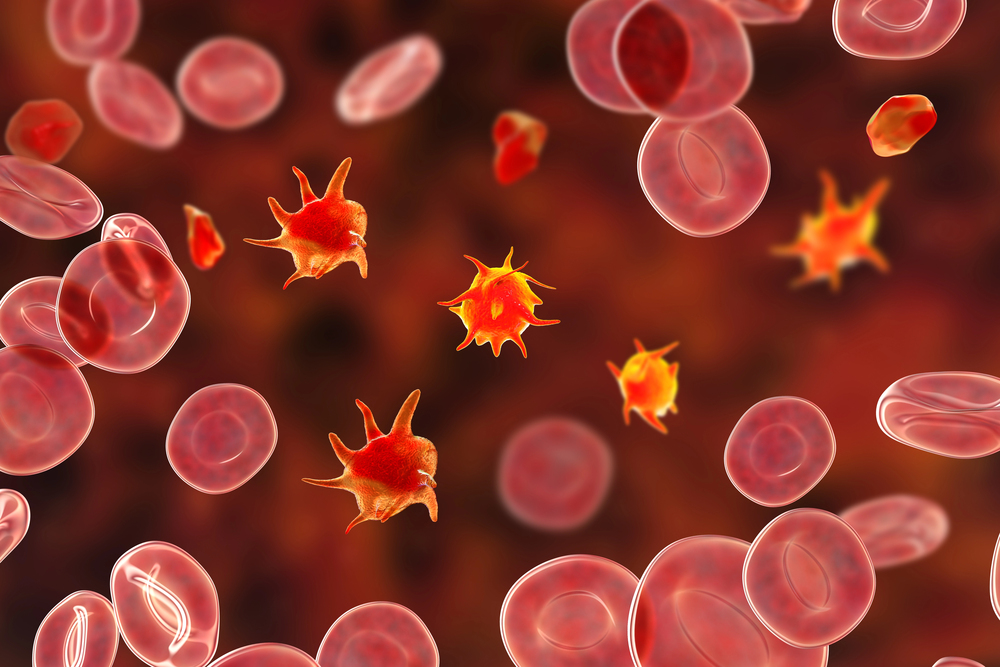
Cyclospora is a microscopic parasite that infects the intestinal system and causes an illness known as cyclosporiasis. Unlike more familiar foodborne threats such as salmonella or E. coli, Cyclospora has remained relatively unknown to many Americans despite causing recurring outbreaks over the past decade. The current surge has changed that, bringing the parasite into national attention after health officials reported more than 18,000 confirmed or suspected cases during the latest outbreak.
The scale of the outbreak has made it one of the most significant Cyclospora events recorded in the United States. Previous outbreaks were much smaller, with 2019 holding the previous record at roughly 4,700 reported cases. The current numbers show how a rare pathogen can quickly become a major public health challenge when contaminated food enters a large distribution network.
Michigan Reports The First Confirmed U.S. Deaths Linked To Cyclospora
Michigan health officials announced that two people died during the ongoing outbreak, marking the first confirmed deaths in the United States connected to the parasite. Officials said both individuals had underlying health conditions that may have made them more vulnerable to complications caused by the infection and dehydration. Additional details about the victims have not been released.
Doctors say the deaths are unusual because Cyclospora infections are rarely fatal. Dr. Joel Kammeyer, an infectious disease specialist at Wayne State University and the Detroit Medical Center, explained that healthy patients generally respond well to treatment. Still, severe dehydration can become dangerous for people already facing other medical challenges. The Michigan cases highlight why even illnesses considered manageable can become serious under certain circumstances.
The Hidden Danger Behind Cyclospora Is Severe Dehydration
Cyclospora typically causes watery diarrhea, frequent bowel movements, stomach cramps, nausea, and fatigue. For many patients, the infection can last for weeks without treatment, creating a significant strain on the body. The biggest medical risk often comes from fluid loss rather than the parasite itself.
Severe dehydration can affect the body’s ability to maintain normal blood pressure, kidney function and overall stability. Older people, medically vulnerable or already managing chronic conditions, may have a harder time recovering from prolonged illness. The Michigan deaths have placed renewed attention on the importance of recognizing warning signs early.
Investigators Trace Part Of The Outbreak To Contaminated Lettuce
Federal investigators identified lettuce from Mexico served at Taco Bell locations in nine states as one source connected to a portion of the outbreak. By late July, nearly 1,947 illnesses had been linked to that lettuce, including at least 98 hospitalizations. Health officials have continued investigating whether other brands, restaurants, retailers or distribution channels may also be involved.
The investigation shows how quickly a contamination event can spread through modern food networks. A single ingredient supplier can provide products to restaurants across multiple states, allowing an outbreak to grow before officials identify the source. Tracking these events requires cooperation between federal agencies, state health departments, and local investigators.
Why Cyclospora Outbreaks Are So Difficult To Track
Finding the source of a Cyclospora outbreak can be extremely challenging because the illness does not always appear immediately after exposure. Symptoms may develop after a delay, making it harder for patients to remember what they ate or where they consumed a contaminated product. This creates a difficult puzzle for investigators trying to connect individual cases.
Many Cyclospora cases are never linked to a specific food source because the investigation process requires identifying patterns among hundreds or thousands of people. Officials must compare patient interviews, food histories and supply chain information before determining whether a common source exists. The complexity explains why outbreaks can continue growing before a clear answer emerges.
How One Contaminated Ingredient Can Reach Thousands Of People
The current outbreak demonstrates the vulnerability of America’s highly connected food system. Fresh produce often moves through long supply chains involving farms, distributors, restaurants and retailers before reaching consumers. When contamination occurs early in that process, the impact can spread across large geographic areas.
Unlike foods that are usually cooked before consumption, fresh produce is often eaten raw. That means any contamination introduced during farming, harvesting, washing, or transportation can remain a potential health risk. The Cyclospora outbreak has renewed questions about how food safety systems track and prevent contamination before products reach the public.
Why Cyclospora Cases Often Rise During The Summer Months
Health officials have found that Cyclospora outbreaks often increase during late spring and summer. Warmer temperatures, increased travel, and higher consumption of fresh fruits and vegetables may contribute to conditions that make infections more likely. The seasonal pattern has appeared in previous outbreaks across the country.
Summer also brings more outdoor dining and greater demand for fresh produce. While these foods remain an important part of a healthy diet, they also require careful handling throughout the supply chain. The seasonal connection is one reason health officials closely monitor Cyclospora activity during warmer months.
The Numbers Reveal How Quickly A Foodborne Outbreak Can Grow
The current outbreak stands out because of its size and speed. More than 18,000 confirmed or suspected cases have been reported nationally, while state-level figures suggest the total could be even higher. The outbreak has surpassed previous records and demonstrated how quickly a foodborne illness can expand when the source is difficult to identify.
Hospitalization numbers also show the seriousness of the situation. Although Cyclospora infections are generally treatable, some patients have required medical care because of complications linked to prolonged illness and dehydration. The statistics highlight why public health officials continue urging people to take symptoms seriously.
What Health Officials Want Americans To Know About Cyclospora
Health officials are not telling people to avoid fresh produce, but they are encouraging awareness about symptoms and food safety. People experiencing persistent watery diarrhea, severe stomach problems, or signs of dehydration should seek medical attention. Early treatment can reduce the risk of complications, especially among vulnerable groups.
The outbreak also serves as a reminder that food safety depends on every stage of the supply chain. Farmers, distributors, restaurants, regulators and consumers all play a role in preventing contamination. The Cyclospora investigation continues as officials work to identify whether additional sources are connected.